Is Express Maintenance Service More Cost-Effective Than Standard Scheduled Service? The Direct Answer
The direct answer is yes—when applied correctly, express maintenance service is significantly more cost-effective for high-frequency, minor wear items, but it works best as a complementary partner to comprehensive factory milestone maintenance rather than a total replacement. Express maintenance excels at lowering your overall cost-per-mile by capturing fluid degradation, minor tire wear, and small brake pad thinness early, keeping hourly bay time short and labor overhead low. By eliminating appointment scheduling friction and long shop turnarounds, express services encourage commuters to maintain strict regular checkups, preventing cascading component failures before they escalate into high-dollar mechanical overhauls.
However, relying solely on quick express checkups while skipping critical factory-scheduled milestone services (such as the 30,000-mile, 60,000-mile, and 90,000-mile comprehensive intervals) creates long-term financial risk. Major scheduled services perform deep diagnostic evaluations—such as differential fluid flushes, spark plug replacements, timing belt inspections, and full hydraulic system bleeds—that quick-turnaround express lanes are not structured to execute. Vehicle owners who adopt a hybrid maintenance strategy—utilizing routine, low-cost express service checkups every 3,000 to 6,000 miles, while reserving dedicated service appointments for major factory milestones—achieve the lowest total cost of ownership (TCO) and maximize long-term trade-in value.
Financial Comparison: Express Maintenance vs. Comprehensive Scheduled Maintenance Costs
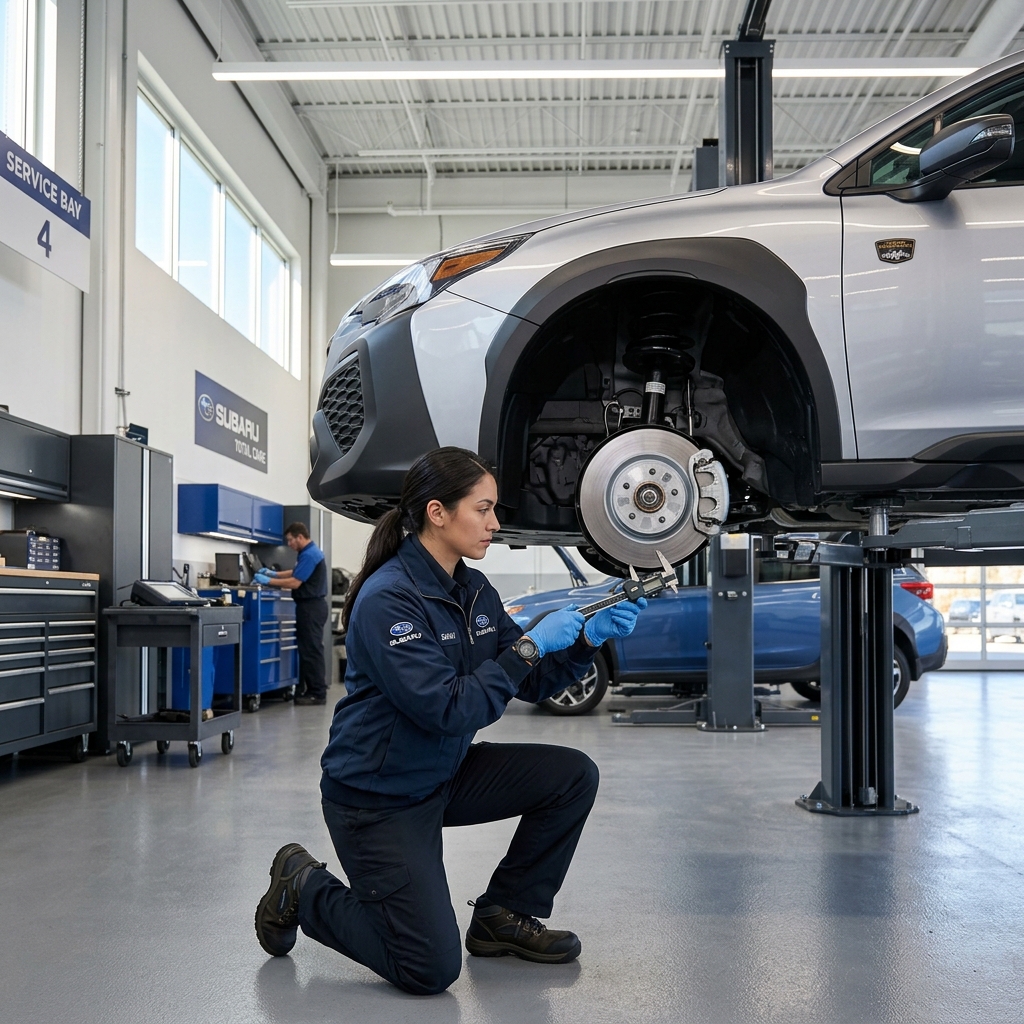
To understand the economic efficiency of express service, one must analyze labor hours, equipment allocation, and preventive savings. Express maintenance operates on a streamlined, assembly-style workflow where specialized technicians focus exclusively on routine maintenance protocols: synthetic engine oil replacement, filter swaps, tire rotation, battery state-of-charge testing, and digital brake lining measurements. Because express service bays are optimized for fast turnaround (typically under 30 to 45 minutes), overall shop time is minimized. This direct labor efficiency allows dealerships like Hawk Subaru to offer flat-rate, highly competitive pricing on vital everyday services. The immediate financial savings are realized not just in lower labor charges, but in the preservation of the driver's valuable time. Conversely, comprehensive scheduled maintenance packages involve deeper mechanical disassembly and detailed diagnostics. During a major milestone service, a master technician spends two to four hours thoroughly inspecting suspension bushings, torque settings, transmission fluid shear stability, CV joint boots, and electronic control unit (ECU) error logs. While the upfront investment for a major milestone service is higher, skipping it can lead to catastrophic repair bills later—such as a $1,500 differential failure or a $4,000 transmission overhaul. Express maintenance protects your daily operational budget, while scheduled maintenance protects your long-term equity.
|
Cost & Operational Factor
|
Express Maintenance Service
|
Standard Scheduled Service
|
|
Average Turnaround Time
|
15 – 45 Minutes
|
2 – 5 Hours (or same day)
|
|
Appointment Required?
|
No (Walk-in friendly)
|
Yes (Scheduled in advance)
|
|
Primary Cost Focus
|
Low fixed package rate
|
Comprehensive labor & diagnostics
|
|
Core Focus Areas
|
Oil, filters, tires, pads, fluids
|
Spark plugs, belts, diffs, timing
|
|
Preventative ROI
|
High (Prevents immediate wear)
|
Critical (Prevents engine breakdown)
|
|
Warranty Alignment
|
Maintains interim compliance
|
Validates major structural warranty
|
Late-Summer Brake and Express Service Check for Chicago Commuters
Summer driving in northern Illinois presents a unique set of harsh mechanical stresses. Weeks of continuous high temperatures—combined with heavy, stop-and-go commuting along major arterial highways like I-55, I-88, Route 59, and the Stevenson Expressway—accelerate thermal degradation across multiple vehicle systems. During late summer, brake friction materials experience severe thermal cycling. Repeated heavy braking at highway speeds followed by sudden stops generates temperatures exceeding 600°F at the rotor surface. This intense heat causes standard brake pad resins to glaze, reducing friction efficiency and causing premature rotor warping. Furthermore, high ambient summer heat degrades motor oil viscosity faster, increases battery chemical breakdown, and expands tire air pressure, leading to uneven tread wear. A late-summer express brake and maintenance checkup acts as a critical line of defense before autumn weather arrives. By catching thinned brake pads, boiled brake fluid, or degraded synthetic oil in late August, suburban Chicago commuters can easily Schedule Your Service Today and avoid costly emergency repairs on icy roads later in the year.
What Is Checked During a Quick 15-Minute Express Brake Check?
Many drivers assume a 15-minute express service check is merely a cursory glance. In reality, modern certified dealership express lanes utilize digital diagnostic tooling and streamlined multi-point protocols to evaluate vital safety parameters rapidly.
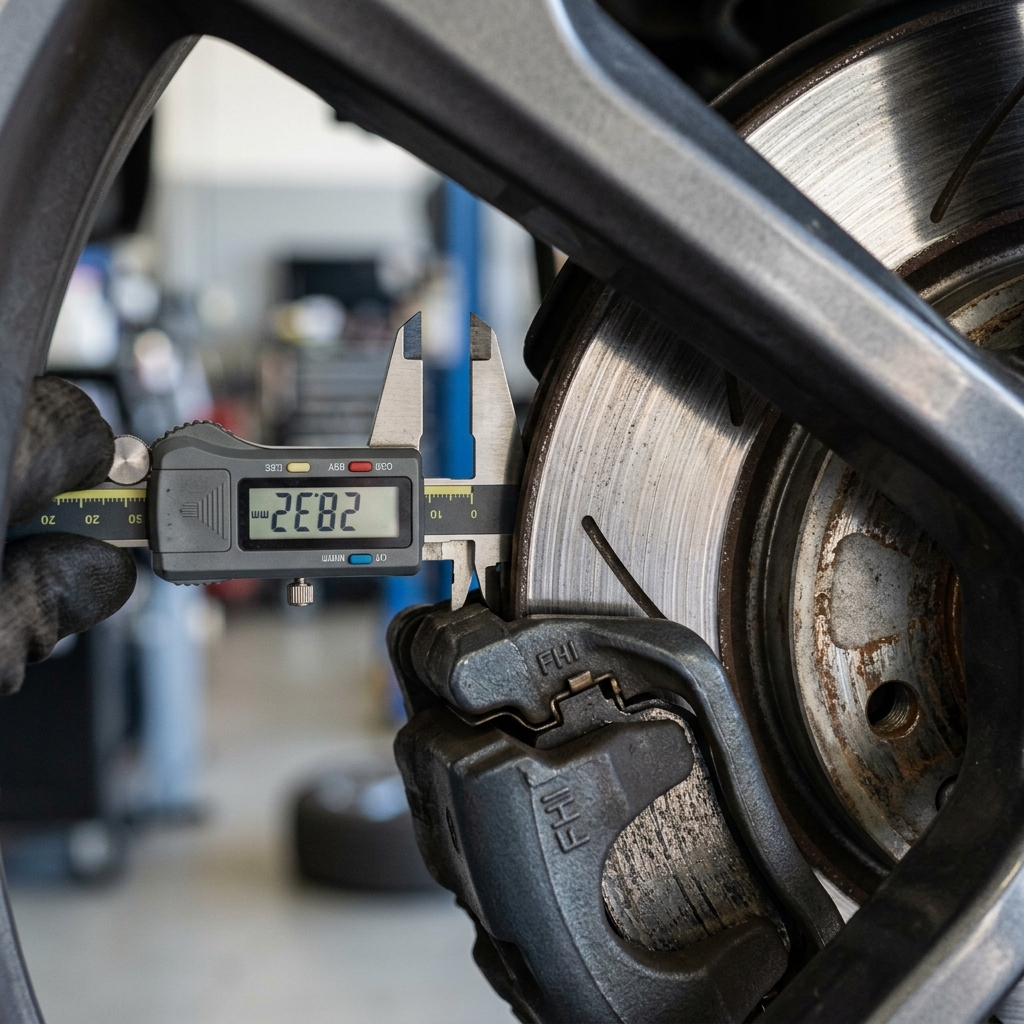
1. Digital Pad Thickness
Technicians use precision mechanical or laser gauges to measure outer and inner brake pad friction material in millimeters (mm). New pads measure 10–12mm. Service is recommended at 4mm, while 3mm or less requires immediate replacement to protect steel rotors.
2. Rotor Surface & Runout
Rotors are visually inspected for scoring, heat cracks, heavy rust ridge formation, and uneven surface discoloration. Precision calipers check micro-thickness to ensure the disc remains above the manufacturer's discard limit.
3. Hydraulic & Fluid Test
A refractometer or optical pen tests brake fluid moisture saturation. Water absorption above 3% lowers fluid boiling points, leading to a spongy pedal under heavy braking. Flexible rubber lines and master cylinder fittings are checked for damp leaks.
If genuine replacement parts or performance friction components are required, our factory-trained technicians install OEM items directly from our fully stocked Parts Center.
Which Brake Pad Type Generates Less Brake Dust on Commuter Vehicles?
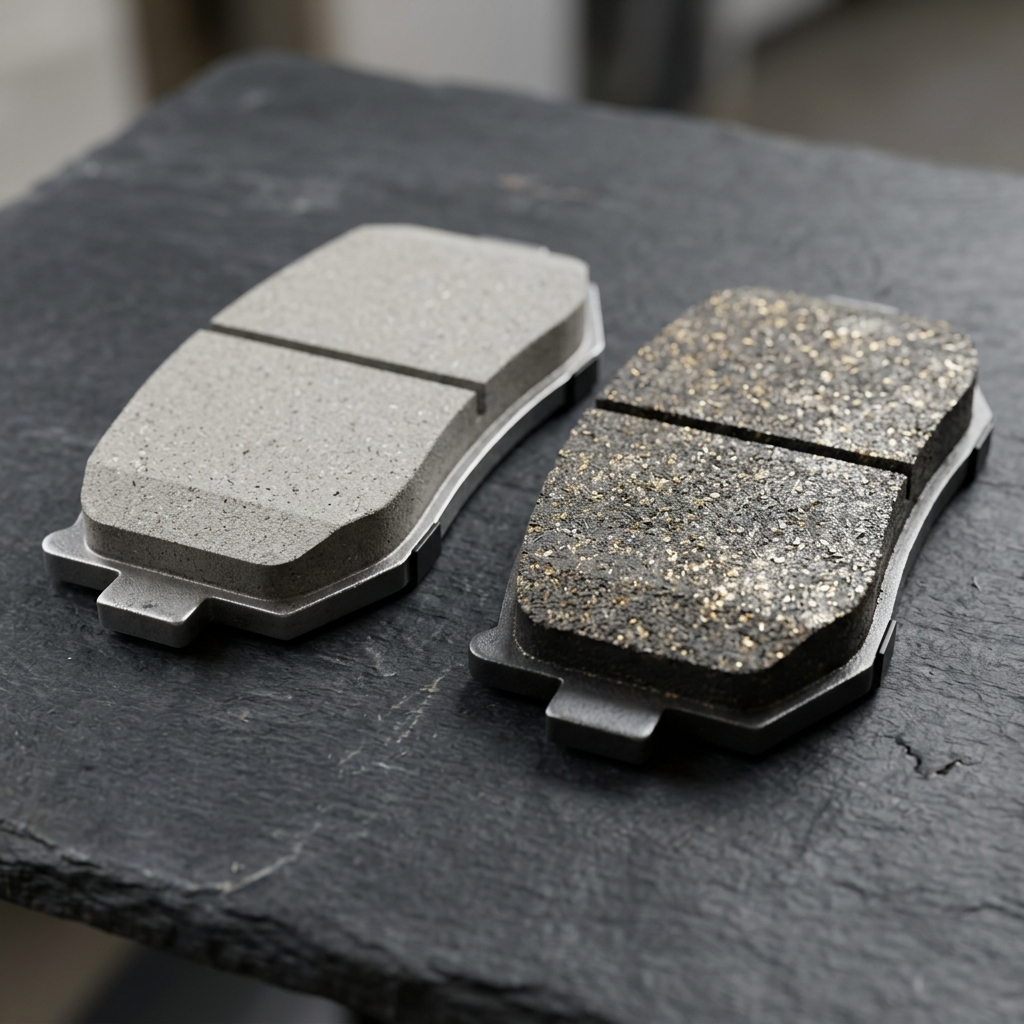
For suburban commuters concerned with wheel cleanliness, brake noise, and long service life, choosing the correct friction compound is paramount. The three primary brake pad materials on the market—ceramic, semi-metallic, and organic—each display distinct chemical and thermal traits: • Ceramic Brake Pads: Formulated from dense ceramic compounds blended with non-ferrous copper or synthetic fibers. Ceramic pads produce fine, light-colored dust that does not stick stubbornly to aluminum alloy wheels. They operate quietly, resist thermal fade, and deliver exceptional rotor life for everyday highway commuting. • Semi-Metallic Brake Pads: Composed of 30% to 65% metallic elements (iron, steel, copper). While offering aggressive initial bite and superior heat dissipation under extreme towing or track conditions, semi-metallic pads generate heavy, dark metallic dust that can etch wheel coatings if left unwashed. They are also louder in cold climate conditions. • Organic (NAO) Brake Pads: Made from soft materials like rubber, glass, and resin. They are very quiet and gentle on rotors, but wear down rapidly and create moderate amounts of dark dust under heavy traffic conditions. For daily commuters driving in Plainfield, Naperville, and Joliet, Ceramic Brake Pads offer the best balance of ultra-low dust, whisper-quiet stopping power, and prolonged rotor durability.
What Does a High-Pitched Squeaking Noise from Brakes Indicate?
Hearing a high-pitched squeak when applying your vehicle's brakes can be alarming. However, this sound is often an intentional safety mechanism engineered by brake component manufacturers. Understanding the root cause helps you react before damage occurs: 1. Built-in Acoustic Wear Indicators: Most modern brake pads feature a small steel tab called an acoustic wear indicator. When pad material wears down to approximately 2mm to 3mm, this metal indicator contacts the spinning rotor, emitting a sharp high-frequency squeal to warn the driver that replacement is mandatory. 2. Surface Friction Glazing: Repeated, high-speed hard stops on major commuter corridors generate excess heat that hardens the top layer of friction material into a mirror-like glaze. Glazed pads vibrate against the rotor at high frequency, producing high-pitched squeaking. 3. Ambient Humidity & Surface Oxidation: Northern Illinois experiences frequent moisture and humidity swings. Overnight atmospheric humidity creates a light layer of rust (flash rust) on cast-iron rotors. The initial morning braking applications scrape off this oxidation, creating brief squeaking that subsides after a few stops. 4. Dry Caliper Hardware & Missing Anti-Squeal Lubricant: Over time, factory high-temperature anti-squeal grease degrades on caliper slide pins and backing shims, causing metallic vibration noise.
Don't wait for squeaking to turn into grinding! When you hear metal-on-metal grinding (a deep, low harsh rasp), the friction pad is entirely exhausted and the steel backing plate is carving gouges into your rotor, dramatically multiplying repair costs. Have your braking system evaluated immediately by certified professionals to protect your wallet and ensure family safety.
When Is Chicago Rush Hour Worst for Commuters & How Does Stop-and-Go Travel Impact Service Schedules?

Peak Traffic Windows
In the greater Chicagoland area—specifically along Plainfield, Joliet, and Naperville corridors (I-55, Route 59, I-88, and I-294)—morning rush hour peaks from 6:30 AM to 9:30 AM, while evening congestion peaks heavily from 3:30 PM to 6:30 PM. Traffic speeds often collapse from 65 mph to abrupt stop-and-go crawls.
Stop-and-Go Thermal Stress
Continuous acceleration and decelerating in heavy traffic generates excessive thermal cycles without allowing airflow to cool brake rotors or transmission fluid. Engine idle time skyrockets relative to mileage driven, subjecting motor oil to severe fuel dilution and thermal breakdown.
The 'Severe Driving' Threshold
Automotive manufacturers classify heavy urban traffic, short trips under 10 miles, and extreme summer/winter temperatures as Severe Driving Conditions. This classification requires shortening oil change and brake inspection intervals from 7,500 miles down to 3,750–5,000 miles.
Do Local Plainfield Auto Service Centers Offer Walk-In Express Brake Checks?
Yes, Hawk Subaru in Plainfield, IL features a dedicated Express Service Lane engineered specifically for walk-in convenience without an advance appointment. We recognize that busy suburban work hours, school drop-offs, and family commitments make long service appointments difficult to schedule weeks ahead. Our Express Lane operates on a dedicated, first-come, first-served workflow staffed by factory-trained technicians. Drivers can drive directly onto our service drive for swift turnarounds on oil replacements, tire rotations, cabin air filter replacements, battery load tests, and quick multi-point brake health checks.
Typical express wait times range between 30 and 45 minutes, allowing you to relax in our customer lounge with complimentary Wi-Fi, refreshments, and workstation amenities while your vehicle undergoes inspection. While you visit our Plainfield dealership location, you can also take a moment to explore our showroom to Browse New Inventory or Browse Used Inventory while your routine maintenance is completed.
Protecting Resale Value and Vehicle Warranty with Hybrid Service Strategies
Maintaining your vehicle’s market value and preserving its factory warranty requires continuous, documented vehicle care. Utilizing a hybrid maintenance strategy—combining frequent, low-cost express service visits with comprehensive factory milestone inspections—provides verified proof of care that significantly increases trade-in valuation when you are ready to sell or upgrade.
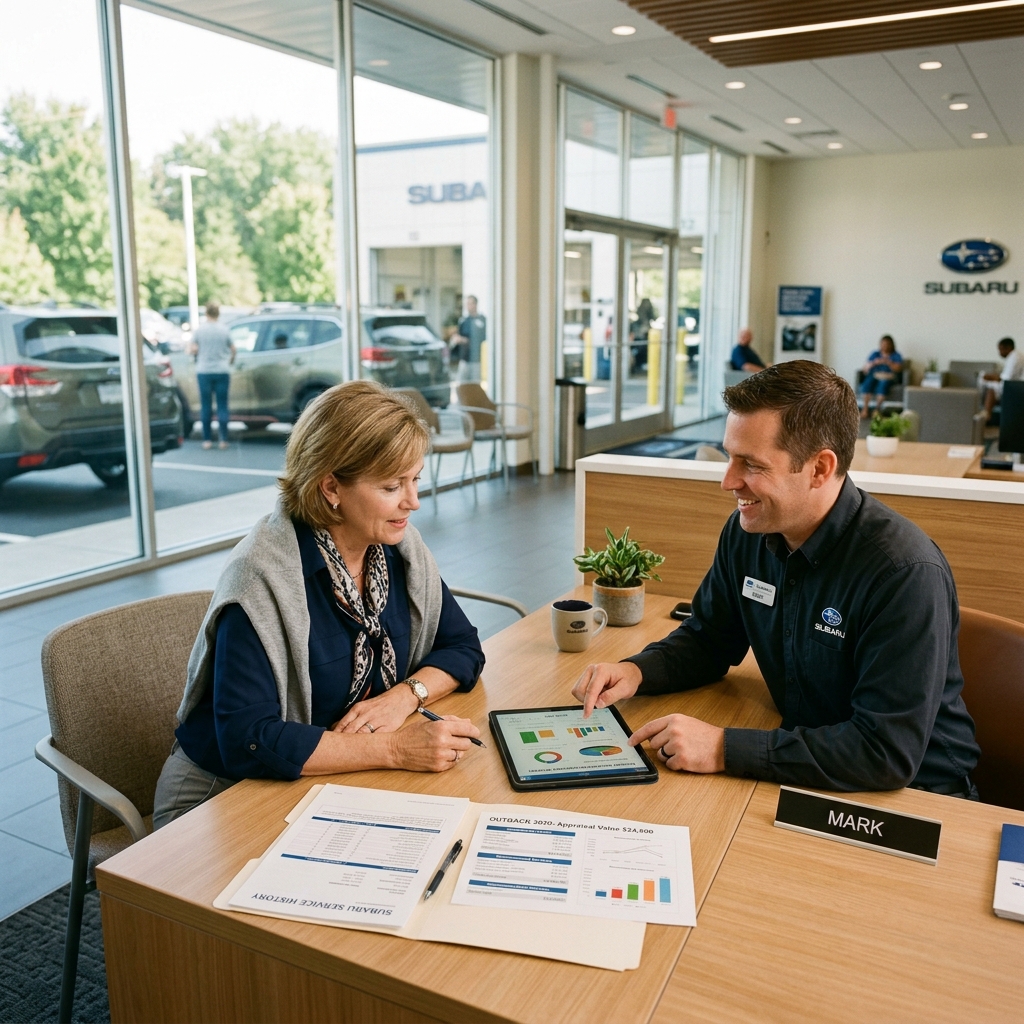
Every time you perform an express service or milestone inspection at a franchised dealer like Hawk Subaru, the service record is digitally uploaded directly to official vehicle history reporting tools like CARFAX™ and AutoCheck®. When prospective buyers or dealership appraisers review your history report, a clean timeline of continuous fluid and brake checkups commands a premium market price. Furthermore, manufacturer powertrain warranties require proof that maintenance was performed according to recommended factory time and mileage intervals. Express lane documentation protects your factory warranty coverage against claim denials. Planning your next vehicle upgrade? You can easily Value Your Trade-In online or Explore Certified Pre-Owned Vehicles with full maintenance transparency.
Where Can I Find Late-Summer Brake and Express Service Near Plainfield, IL?
If you are searching for fast, trustworthy late-summer express maintenance and certified brake inspection services near Plainfield, Joliet, or Naperville, Hawk Subaru is your local center of excellence. Conveniently located at 2401 Rte 59, Plainfield, IL 60586, our state-of-the-art service facility features modern diagnostic drive-over alignment checkers, digital brake depth analyzers, and fully certified factory technicians. We exclusively use OEM genuine parts engineered specifically for your vehicle's exact make and model specifications. Whether you need a quick walk-in oil change before your evening commute or a full pre-autumn brake replacement, our team is equipped to deliver superior speed and accuracy.
Facility Highlights & Amenities: • Express Walk-In Service Lane (No Appointment Needed) • Factory Certified Subaru Master Technicians • Genuine OEM Parts & Accessories • Comfortable Lounge with Free High-Speed Wi-Fi • Complimentary Multi-Point Inspection with Every Visit • Convenient Online Appointment Scheduler
A Commuter's Seasonal Vehicle Maintenance Checklist
Monthly / Express Lane
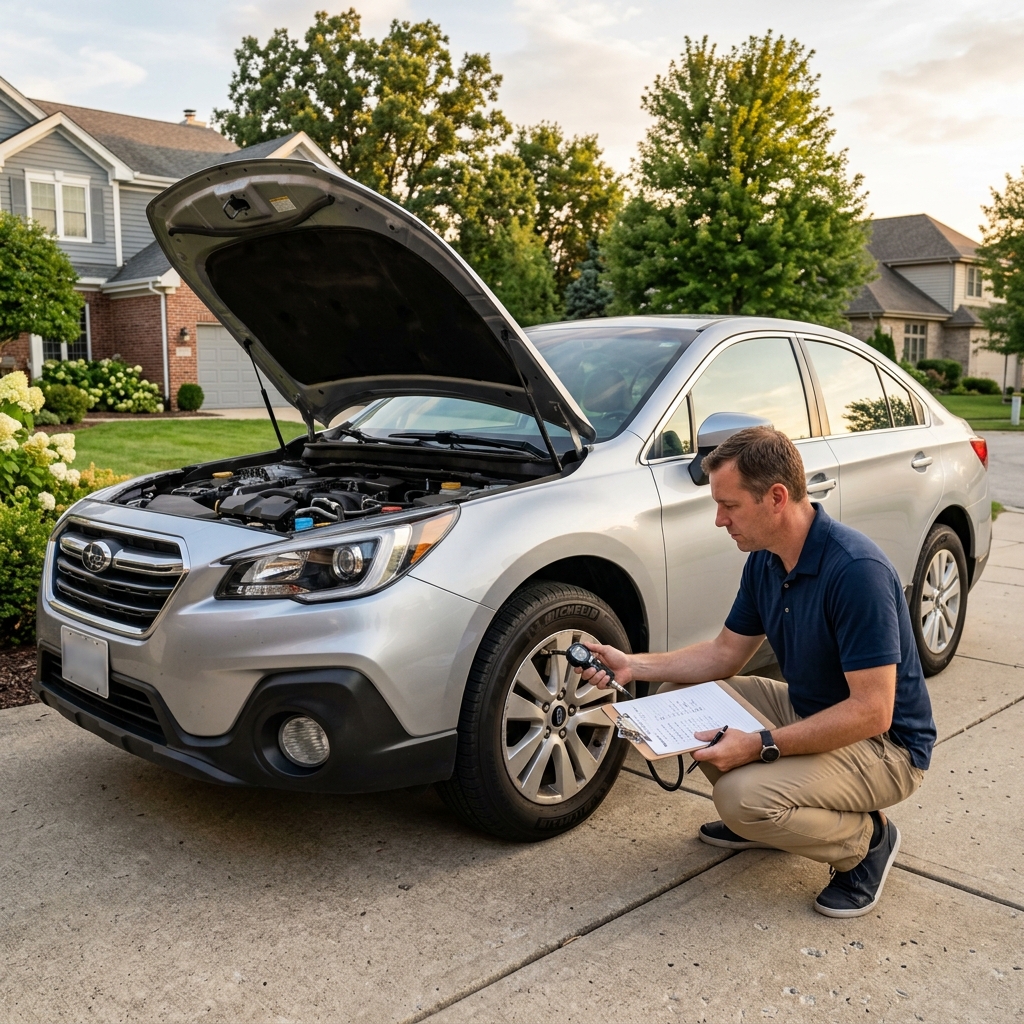
• Synthetic Engine Oil & Filter Change • Tire Pressure (PSI) & Tread Depth Check • Windshield Washer Fluid Top-Off • Digital Battery State-of-Charge Test • Visual Brake Pad Thickness Inspection
Bi-Annual / Late Summer
• Tire Rotation & Wheel Balancing • Cabin Air & Engine Air Filter Replacement • Wiper Blade Inspection / Replacement • Brake Fluid Moisture Saturation Test • Suspension & Steering Boot Visual Test
30k / 60k / 90k Milestones
• Front & Rear Differential Fluid Exchange • Spark Plug Replacement • Transmission Fluid Flush & Screen Clean • Engine Coolant System Flush • Full Wheel Alignment Calibration
Experience Fast, Cost-Effective Maintenance at Hawk Subaru in Plainfield, IL
By utilizing express maintenance for routine fluid swaps and rapid brake checks, you save hundreds of dollars in labor efficiency while keeping your daily commute safe and predictable. Pair your express service routine with scheduled milestone maintenance at Hawk Subaru to maximize long-term resale value and keep your vehicle operating smoothly for miles to come. Whether you need to Get Pre-Approved for Financing for a new vehicle or simply require a quick walk-in express checkup, our factory-certified service team in Plainfield is ready to serve you.