End-of-Summer Commute Prep: Pre-Fall AWD and Tire Maintenance for Chicago-Bound Drivers
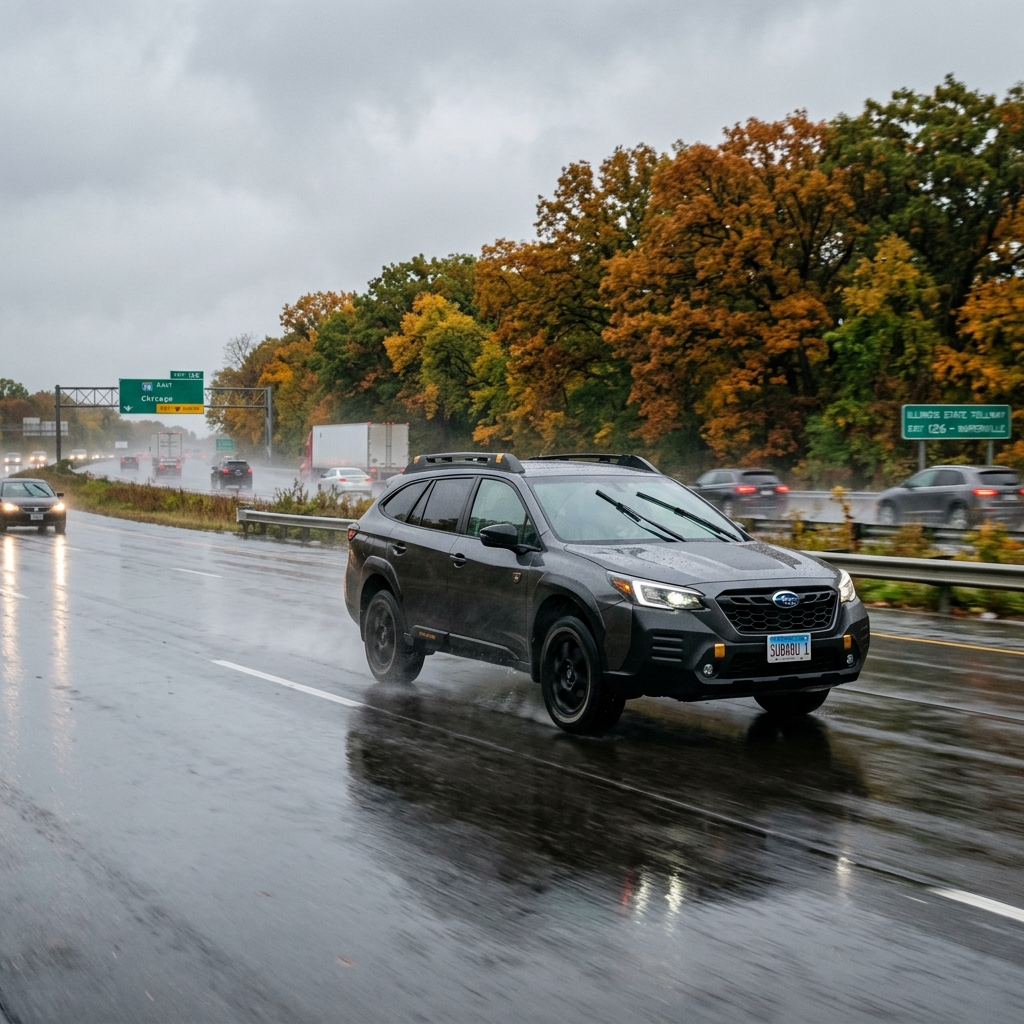
As late summer turns to early autumn across Northern Illinois, daily commuters navigating Interstate 55, Interstate 88, and Route 59 face a sudden change in road conditions. The warm, dry asphalt of July quickly gives way to rain-slicked pavement, morning frost, and wet fallen leaves. For drivers heading into downtown Chicago from Plainfield, Naperville, Joliet, and surrounding Will and DuPage counties, pre-fall vehicle preparation is essential. Maintaining your vehicle's tires and all-wheel drive (AWD) system is the single most critical step in ensuring safe, predictable, and reliable daily travel.
The primary key takeaway for Chicago-bound commuters using advanced drivelines like Subaru Symmetrical All-Wheel Drive is ensuring that tire tread depth remains strictly matched within 2/32 inches across all four wheels. Additionally, rotating tires every 5,000 to 7,500 miles, regularly verifying front and rear differential fluid clarity and levels, and setting cold tire pressures before late-summer temperature drops take effect are essential steps. Unmatched tire wear or incorrect pressures trigger subtle wheel speed variances that force the center differential or transfer clutch pack to work continuously. Over extended highway commutes along the Stevenson Expressway, this heat build-up degrades drivetrain components, reduces fuel efficiency, and compromises traction right when autumn rain and early black ice strike.
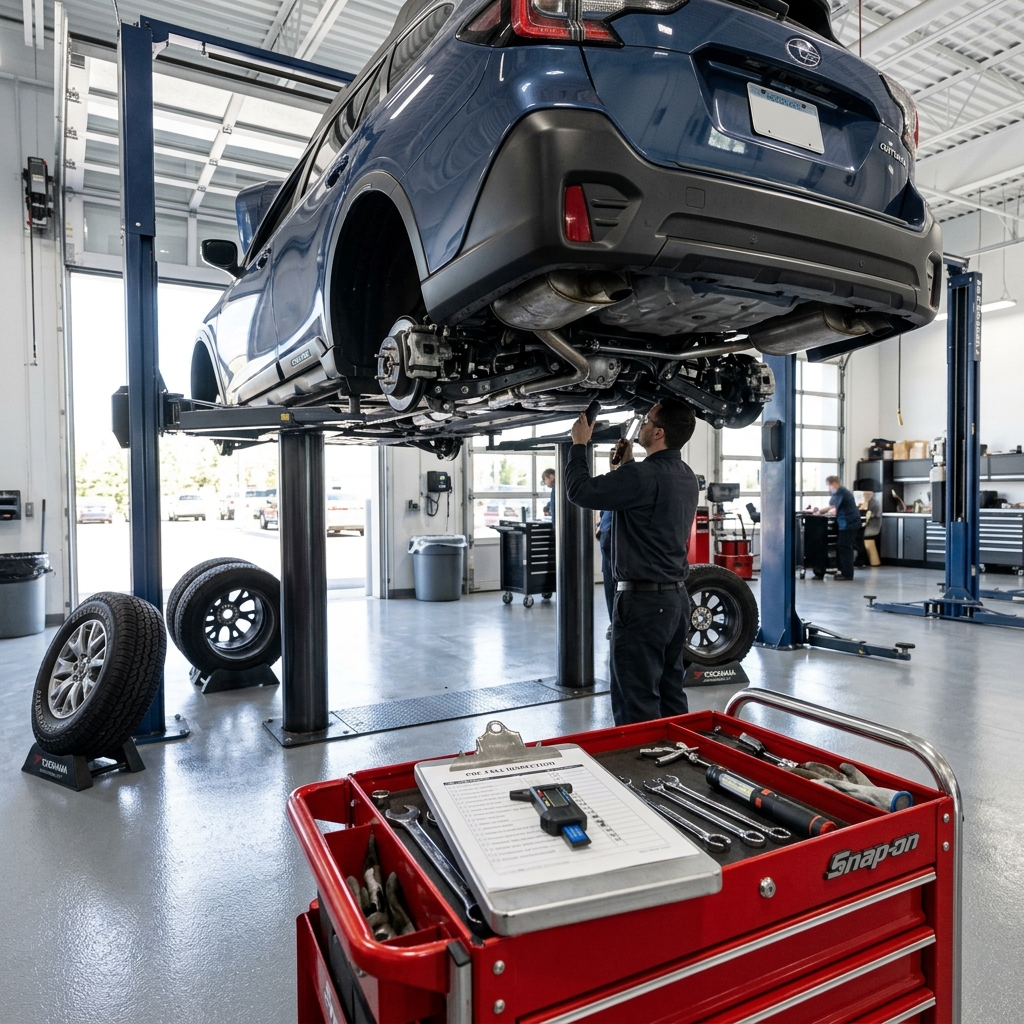
Summertime driving in Chicagoland inflicts unique mechanical stress on vehicle running gear. High ambient temperatures, prolonged high-speed highway cruising, heavy stop-and-go construction traffic, and severe thermal cycles accelerate tire rubber oxidation, degrade fluid viscosity, and alter suspension geometry. Addressing these maintenance points at the end of summer prevents minor wear items from turning into costly repairs during harsh winter months. At Hawk Subaru in Plainfield, IL, our factory-certified technicians specialize in preserving AWD drivetrain integrity and optimizing tire safety for local commuters.
Essential End-of-Summer Tire Inspections for Plainfield and Naperville Commuters
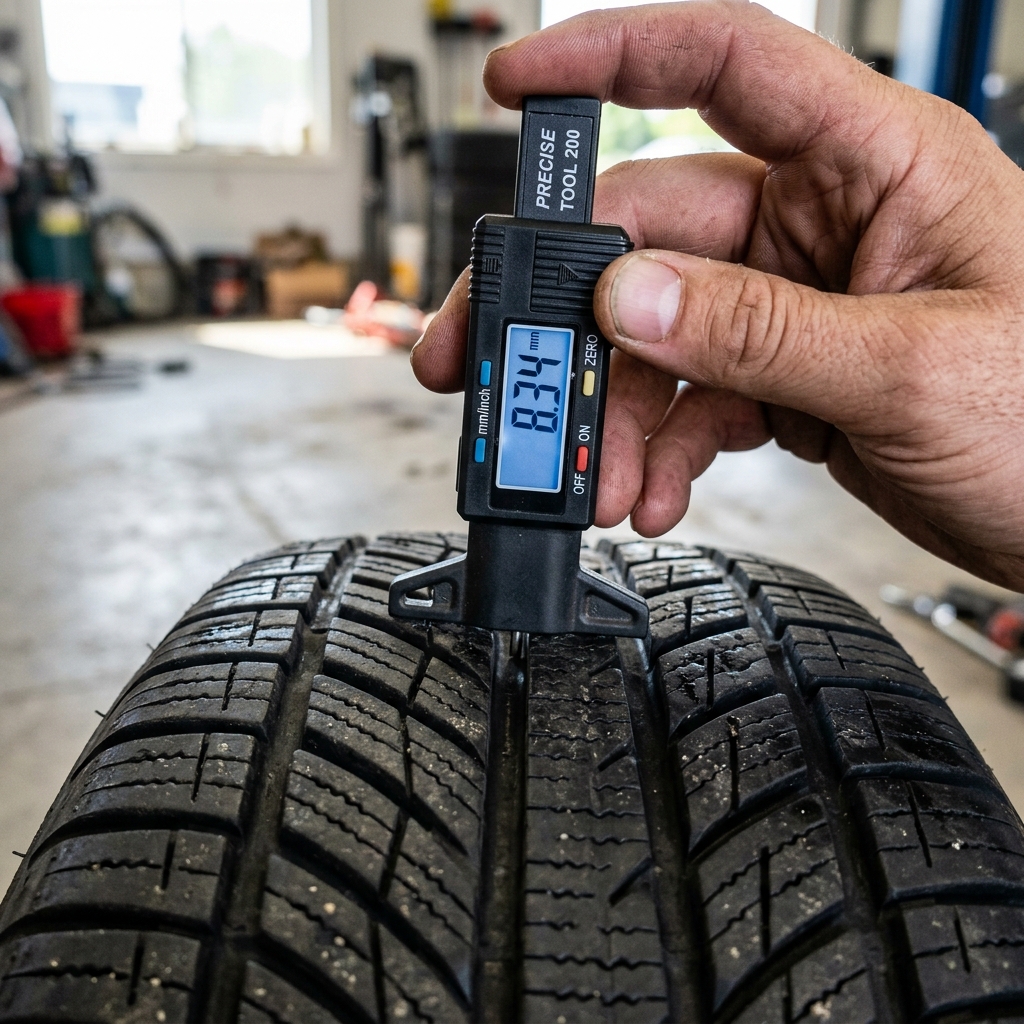
A thorough end-of-summer tire inspection begins with precision tread depth measurement using a calibrated tire tread depth gauge rather than relying on informal coin tests. Measure across three distinct areas of each tire: the inner shoulder, center tread, and outer shoulder. Brand-new passenger and crossover tires typically start with 10/32 to 11/32 inches of tread depth. When tread depth wears down to 4/32 inches, wet-weather hydroplaning resistance decreases significantly, making emergency stops on rain-soaked Chicago highways hazardous. Once tires reach 2/32 inches, they are legally worn out and lack the channels needed to evacuate standing water or slush.
Beyond tread depth, inspecting the tire sidewalls and tread face for heat-induced damage after long summer road trips is crucial. Summer pavement temperatures along I-55 can easily exceed 130°F. This intense heat causes internal rubber layer expansion, which may show up as sidewall blisters, micro-cracks along the tread grooves, or impact bulges from spring pothole strikes. Any structural sidewall bulge indicates broken internal cord plies, making the tire unsafe for high-speed highway travel.
Finally, autumn temperature drops impact cold tire pressure. For every 10°F drop in ambient temperature, tire inflation pressure drops by approximately 1 PSI. A warm August day at 85°F turning into a brisk October morning at 35°F results in a 5 PSI reduction without any actual puncture. Low inflation pressure creates excess shoulder flex, rapid outer tread wear, diminished fuel economy, and premature Tire Pressure Monitoring System (TPMS) warnings during your morning commute.
Why Do Many AWD Systems Require Closely Matched Tire Tread Depths?
To understand why all-wheel drive systems require matching tread depths, it helps to understand basic mechanical geometry. Subaru Symmetrical AWD systems send continuous engine torque to both the front and rear axles. Modern AWD vehicles use multi-plate transfer clutches or planetary center differentials to smoothly balance speed differences between the front and rear wheels during turns. However, these systems assume that under straight-line driving, all four tires rotate at identical speeds.
When tires have different tread depths, their overall rolling circumference changes. For example, a new tire with 10/32 inches of tread depth has a noticeably larger overall diameter than a partially worn tire with 4/32 inches of tread depth. That 6/32-inch difference in tread depth translates to a 12/32-inch (3/8-inch) reduction in overall tire diameter. Over a single mile of driving along I-55, the smaller tire must rotate several more times than the larger tire to cover the exact same distance.
This continuous rotational speed difference misleads the vehicle's electronic AWD control module into interpreting the variance as constant wheel slip. In response, the system continuously engages the center transfer clutch pack or works the viscous coupling. This creates constant friction, extreme fluid temperatures, accelerated clutch plate wear, and excessive strain on the front and rear differentials. Over time, this mechanical heat leads to fluid breakdown and severe drivetrain damage.
Subaru engineering standards specify that all four tires must match within 2/32 inches of tread depth, as well as sharing identical tire sizing, brand, model pattern, and load index rating. If one tire suffers unrepairable damage and the remaining three tires are worn past the 2/32-inch tolerance threshold, installing a single brand-new tire without adjusting it can void the drivetrain warranty and cause early AWD system failure.
What Are My Options If I Need to Replace Only One Tire on an AWD Vehicle?
Option 1: Precision Tire Shaving
If three of your tires are relatively new (e.g., 7/32 to 8/32 inches remaining) and one suffers puncture damage, specialized tire shaving is a cost-effective choice. A brand-new matching tire is mounted on a lathe and shaved down to match the exact remaining tread depth of your existing three tires. This restores rolling circumference balance and protects your Subaru AWD system.
Option 2: Complete 4-Tire Replacement
When existing tires are already worn down near 4/32 or 5/32 inches of tread depth, shaving a single new tire down to match is impractical. In this scenario, replacing all four tires is the safest, most logical investment. A full set ensures optimal traction for wet Chicago fall weather and restores full tread depth ahead of winter snow.
Option 3: Drivetrain Protection
Ignoring tire tread differences on an AWD vehicle can quickly cause center differential overheating, premature clutch plate wear, and severe mechanical strain. Replacing a set of tires is far more affordable than rebuilding an AWD transfer case or center differential. Protecting your drivetrain keeps your vehicle safe and reliable for years to come.

How Does the 3-Peak Mountain Snowflake (3PMSF) Rating Differ from Standard M+S Rating?
Standard M+S (Mud and Snow) Rating
The M+S designation indicates a basic geometric tread pattern requirement. To earn an M+S marking, a tire must have a tread design with a geometric void ratio of at least 25% and notches along the tread edges. Crucially, the M+S rating involves no performance testing on snow or ice, nor does it regulate rubber compound flexibility in freezing temperatures. Standard all-season tires with M+S ratings often harden when temperatures drop below 45°F, significantly reducing grip on cold, wet Chicagoland pavement.
Severe Snow Service 3PMSF Rating
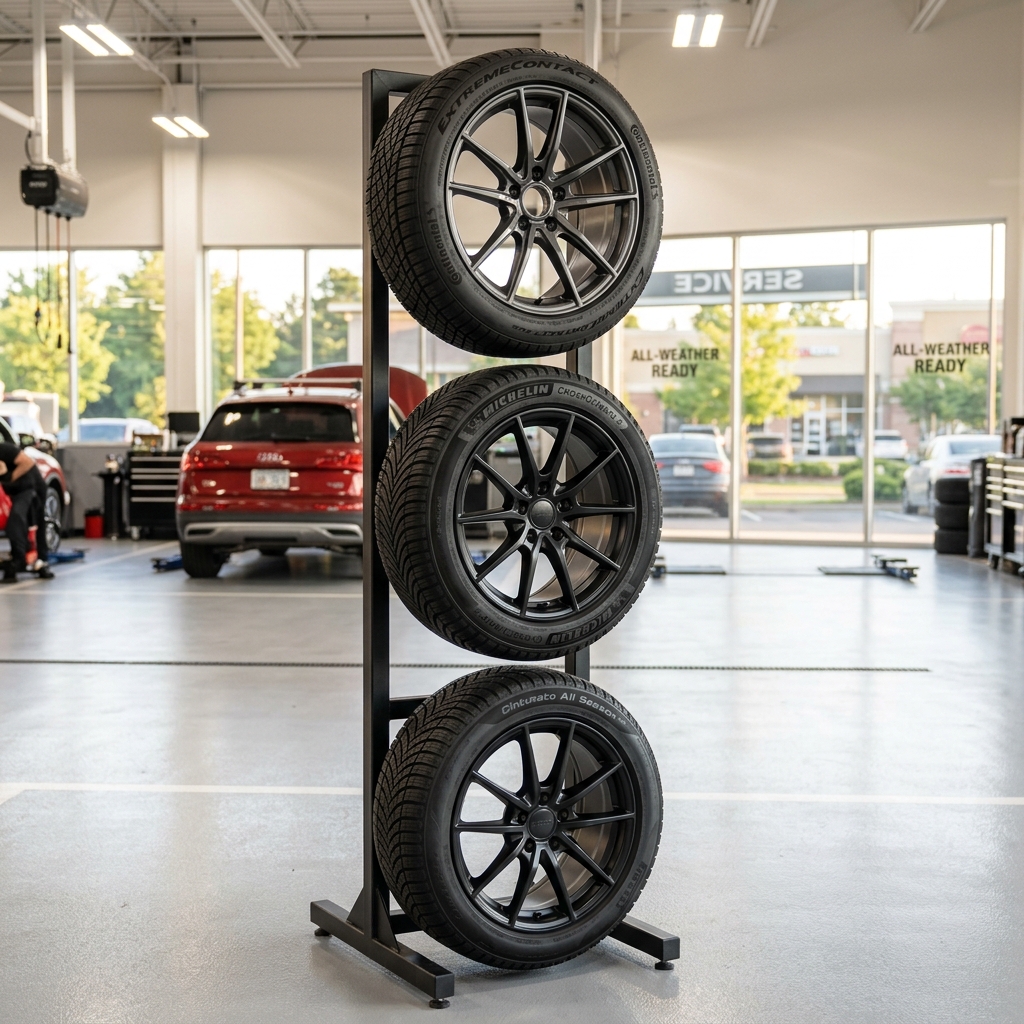
The 3-Peak Mountain Snowflake (3PMSF) symbol signifies that a tire has passed rigorous testing under strict industry standards. To earn this rating, a tire must deliver at least 10% greater acceleration traction on packed snow compared to a standard reference tire. Modern 'all-weather' tires combine 3PMSF severe winter capability with durable rubber compounds suitable for year-round driving. This makes them an excellent choice for Chicago commuters facing sudden lake-effect slush, early frost, and freezing autumn rain.
How Important Is AWD Performance Versus Tire Choice for Chicago-Area Fall and Winter Commuting?
AWD Powers Acceleration
All-wheel drive excels at distributing engine power to all four wheels, giving you excellent launch traction on wet ramps, slushy intersections, and slippery road surfaces. However, AWD only helps accelerate the vehicle — it does not shorten stopping distances.
Tires Provide Braking & Grip
When applying the brakes on cold, wet asphalt or emergency stopping on I-55, every vehicle relies entirely on four small tire contact patches. Advanced AWD cannot overcome hard, worn rubber compound that loses grip below 45°F.
Synergy Delivers Safety
Pairing Subaru Symmetrical AWD with high-quality, cold-weather-rated tires provides total control. Proper tire rubber stays flexible in freezing temperatures, allowing the vehicle's electronic stability control and AWD systems to work at peak efficiency.
Subaru Symmetrical AWD Component Checks: Transfer Clutches, Differentials, and Fluids
Differential & Transfer Fluid Inspection
Your Subaru vehicle's front and rear differentials utilize specialized gear oils to cushion meshing ring-and-pinion gears. Over months of hot summer highway driving, gear oils undergo thermal degradation and oxidation. Inspecting gear oil fluid level, viscosity, and clarity ensures protection against gear wear and thermal stress. Darkened or burnt-smelling gear oil should be drained and replaced with fresh factory-recommended fluid before fall.
CV Axle & Axle Boot Health
Constant Velocity (CV) axle boots protect flexible drive joints from dirt, water, and road debris while sealing in essential lubricating grease. High summer engine bay temperatures and continuous suspension movement can cause rubber CV boots to dry out, crack, or tear. Inspecting CV boots before winter prevents water infiltration that can ruin expensive CV joints and cause front-end driveline vibrations on the highway.
What Tire-Related Services Are Commonly Included in Seasonal Maintenance Specials?
To prepare your vehicle for autumn driving conditions, Hawk Subaru offers seasonal service packages tailored for local Chicago commuters. Scheduling comprehensive pre-fall maintenance bundlings ensures every component of your wheel and tire assemblies operates at peak efficiency.
|
Service Component
|
Inspection Focus
|
Commuter Safety Benefit
|
|
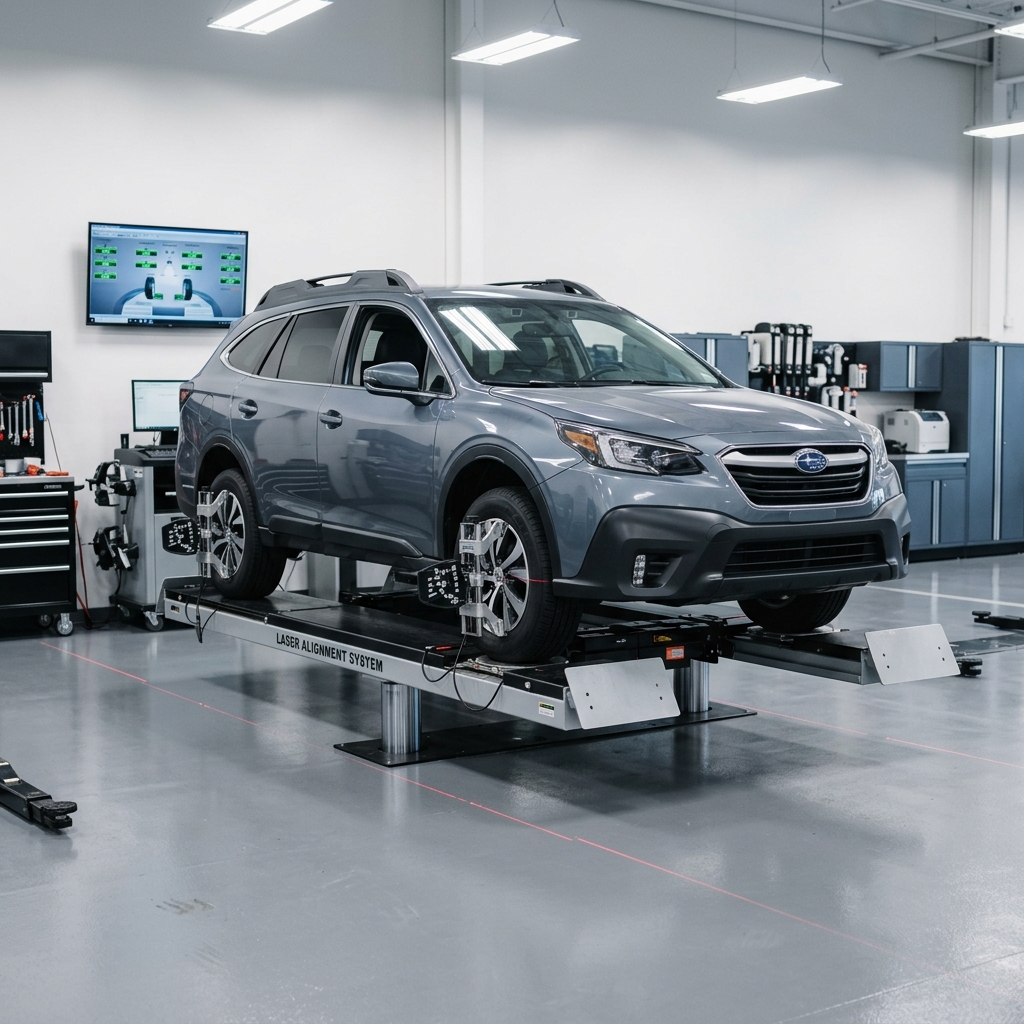
4-Wheel Laser Alignment
|
Camber, Caster, and Toe angles measured with digital precision
|
Prevents uneven tread wear, eliminates highway pull, and maximizes tire lifespan
|
|
Dynamic Wheel Balancing
|
High-speed spin balancing to detect weight imbalances
|
Eliminates steering wheel vibration at highway speeds (55-70 MPH)
|
|
Tire Rotation & Inspection
|
Swapping tire positions and measuring tread depth across 3 zones
|
Maintains matched tread depth required for Subaru Symmetrical AWD
|
|
Brake System Inspection
|
Pad thickness, rotor runout, and brake fluid moisture check
|
Ensures dependable stopping power on wet leaves and autumn rain
|
|
TPMS System Calibration
|
Sensor battery life test and cold-pressure inflation setting
|
Prevents false warning lights caused by seasonal morning temperature drops
|
Taking advantage of seasonal service packages before the fall rush ensures your vehicle receives expert care from factory-trained technicians. Schedule Your Service Today using our convenient online scheduling portal.
Fall Alignment and Suspension Checks for I-55 Commuters from Joliet to Downtown Chicago
Summer Road Construction Impact
Driving through summer construction zones along I-55, I-88, and I-355 puts significant stress on suspension components. Repeated impacts with pavement drops, temporary metal plates, and unexpected potholes jar suspension struts, alter toe angles, and shift camber settings. Even a minor misaligned angle causes rapid, uneven tire wear (feathering or cupping) that shortens tire life and causes high-speed noise.
Bushings, Struts, and Wheel Bearings
Worn lower control arm bushings, leaking strut dampers, or worn wheel hub bearings allow alignment angles to shift under acceleration and cornering. During fall highway driving, worn suspension components cause dynamic wheel wobble and poor tracking on grooved pavement. Replacing worn suspension bushings and completing a 4-wheel laser alignment restores original steering response and protects your investment in new tires.
Selecting All-Weather or Winter Tires at the Hawk Subaru Parts & Accessories Center
Tire Sizing & Speed Ratings
Choosing replacement tires requires matching the exact factory specs for your Subaru vehicle, including width, aspect ratio, wheel diameter, load index, and speed rating (e.g., 225/60R17 99H). Proper load indexes ensure the tire handles vehicle weight and cargo safely during daily commuting.
All-Weather vs. Dedicated Winter
All-Weather tires earn the 3PMSF rating while staying on your vehicle year-round. Dedicated winter tires deliver maximum traction in severe snow and ice. Our expert staff at the Parts Center can help you choose the best option for your driving routes and vehicle model.
Genuine Subaru Accessories
Protect your vehicle interior during wet fall months with genuine Subaru all-weather floor liners, splash guards, and cargo trays. Explore factory accessories engineered specifically for your Outback, Forester, Crosstrek, or Ascent at Hawk Subaru.
Pre-Winter Vehicle Evaluation: Servicing Your Current AWD Vehicle vs. Upgrading
Evaluating Pre-Season Service Costs
For high-mileage vehicles facing cumulative pre-winter maintenance (such as new tires, alignment, brake replacement, and differential service), evaluating total service costs against overall vehicle market value is a smart financial step. Investing in routine service is ideal when your vehicle's overall mechanical health is solid and equity remains strong.
Upgrading to Modern AWD Technology
Schedule Your Pre-Fall AWD and Tire Service at Hawk Subaru in Plainfield Today
Don't wait until early frost and autumn rains make your Chicago commute hazardous. Ensure your Subaru vehicle's Symmetrical All-Wheel Drive and tires are completely prepared for the season ahead. Whether you need a 4-wheel laser alignment, tire rotation, differential fluid inspection, or a fresh set of 3PMSF-certified all-weather tires, the factory-certified service team at Hawk Subaru is ready to assist you.