What Are the Average Annual Maintenance and Repair Costs for Subaru Vehicles?
When evaluating the total cost of owning a vehicle in Will County, prospective and current Subaru owners frequently ask: What are the average annual maintenance and repair costs for Subaru vehicles? On average, driving a Subaru requires between $617 and $720 per year in combined scheduled maintenance and unexpected repair expenses. This positions Subaru right in line with—and often below—the broader automotive industry average for non-luxury, all-wheel-drive vehicles. For drivers in Plainfield, Naperville, and Joliet, this balance of modest upkeep expenses and standard Symmetrical All-Wheel Drive provides exceptional everyday reliability without unpredictable financial surprises.
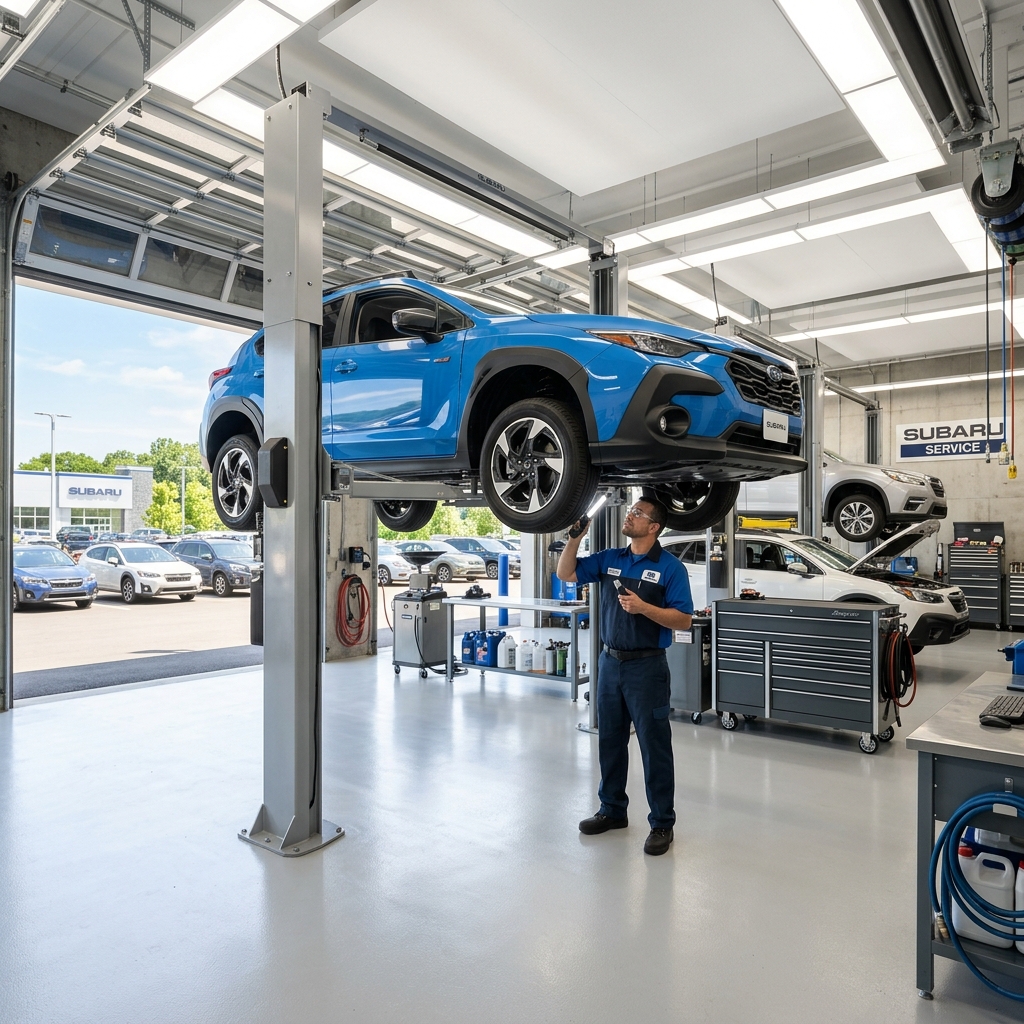
To understand these numbers clearly, it helps to distinguish between scheduled maintenance(predictable fluid exchanges, tire rotations, brake service, and cabin air filter replacements) and unscheduled repairs(replacing worn wheel bearings, suspension bushings, or oxygen sensors). During the initial 3 to 5 years of ownership, routine maintenance costs remain modest—typically averaging $350 to $500 annually. As vehicles age past 75,000 miles, occasional wear-and-tear repairs naturally increase the yearly average toward the $700 range. You can also view our Browse Used Inventory selection to see well-maintained, late-model pre-owned options.
|
Vehicle Ownership Phase
|
Est. Scheduled Maintenance
|
Est. Unscheduled Repairs
|
Total Avg. Annual Cost
|
|
Years 1–3 (0 to 36,000 Miles)
|
$280 – $400
|
$0 – $100
|
$280 – $500
|
|
Years 4–6 (36,001 to 72,000 Miles)
|
$450 – $600
|
$150 – $250
|
$600 – $850
|
|
Years 7+ (72,001+ Miles)
|
$550 – $750
|
$300 – $500
|
$850 – $1,250
|
Is Owning a Subaru Expensive? Maintenance Costs and Long-Term Value Explained
When buyers analyze whether owning a Subaru is expensive, focusing solely on shop invoices leaves out half the equation. The true cost of vehicle ownership comprises initial purchase price, routine maintenance, fuel efficiency, insurance, and—most importantly— depreciation and trade-in value. Subaru vehicles consistently earn top marks from automotive valuation analysts like ALG and Kelley Blue Book for maintaining industry-leading residual values. Because a Subaru Forester, Outback, or Crosstrek retains a significantly higher percentage of its original price after 3 to 5 years than competitors, your effective net cost of ownership is often lower than front-wheel-drive alternatives that cost less in routine maintenance.
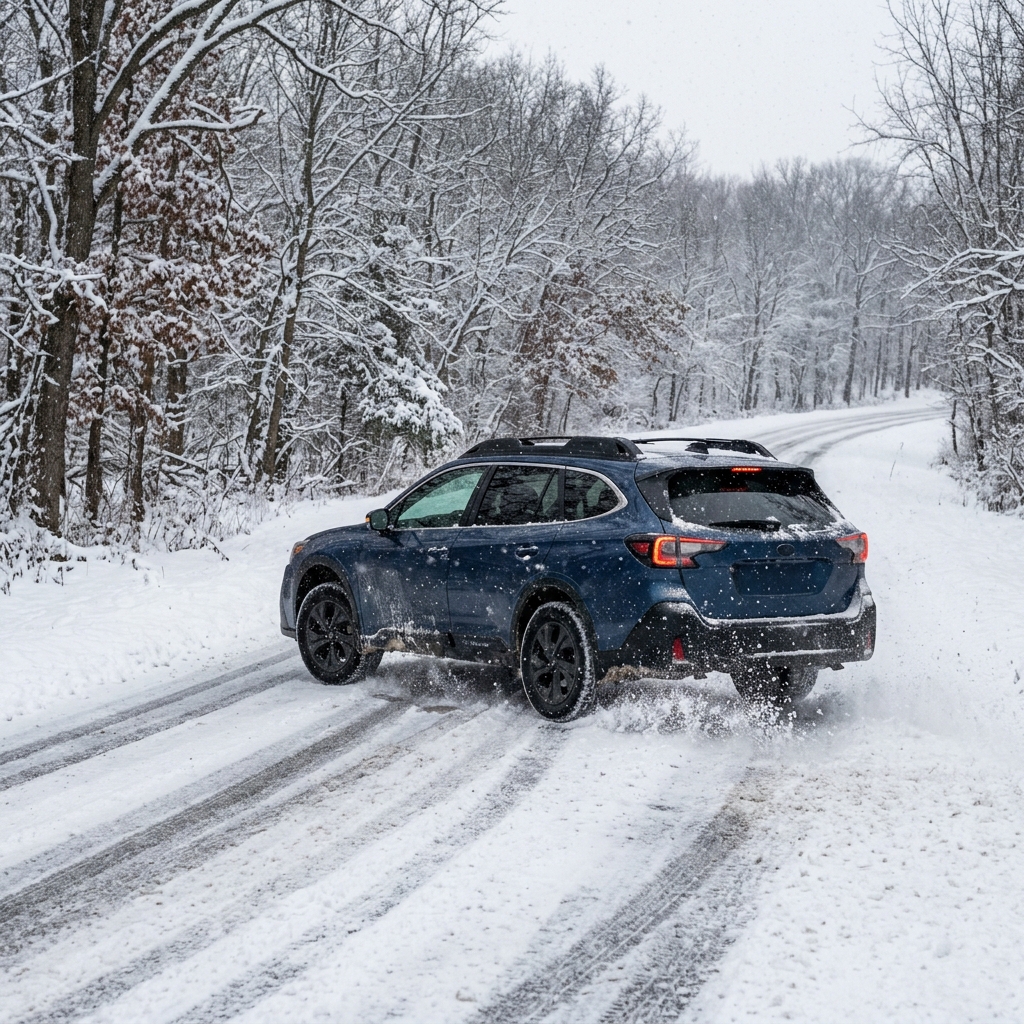
Furthermore, every gasoline-powered Subaru comes standard with Symmetrical All-Wheel Drive. In Northern Illinois, where lake-effect snow, freezing rain, and summer downpours are routine, having a durable, balanced AWD drivetrain prevents costly road incidents and minimizes uneven component strain. Check what your vehicle is worth today with our Value Your Trade-In estimator.
Are Subaru Vehicles More or Less Expensive to Maintain Than Other Brands?
Understanding how Subaru stacks up against major mainstream auto manufacturers helps clarify routine service expectations. Below, we examine average service expenses across popular commuter brands.
Toyota & Honda
Toyota and Honda feature average annual maintenance costs ranging between $440 and $550. Many of their high-volume models are basic front-wheel-drive sedans without AWD differentials or transfer cases, which reduces overall mechanical complexity and baseline fluid maintenance.
Subaru Advantage
Subaru averages $617–$720 per year. While slightly higher than baseline 2WD commuter cars due to mandatory dual differential fluid exchanges, Subaru vehicles cost significantly less to maintain than domestic and European AWD crossovers over a 10-year period.
Ford & Hyundai
Ford and Hyundai average between $650 and $780 per year. Higher frequencies of unscheduled electrical and turbocharger maintenance on domestic and Asian competitors often eclipse the minor cost of standard Subaru differential services.
How Much Does It Typically Cost per Year to Maintain a Subaru by Mileage Milestone?
Subaru follows a systematic 6,000-mile or 6-month service interval. Adhering to these milestones prevents minor wear from becoming an expensive structural or mechanical overhaul: • 6,000 / 18,000 / 42,000 Miles: Synthetic oil change, OEM filter, tire rotation, and multi-point inspection ($95 – $145). • 12,000 / 36,000 / 84,000 Miles: Includes minor service plus HVAC cabin air filter and engine air filter replacements ($180 – $260). • 30,000 / 90,000 Miles (Major): Brake fluid flush, front & rear differential gear oil inspection/flush, CVT inspection ($380 – $550). • 60,000 Miles (Major): Spark plug replacement (BOXER specific), CVT fluid exchange, system diagnostics ($550 – $800). • 105,000 Miles: Timing belt replacement (on older EJ engines) or serpentine belt & water pump checks ($600 – $1,100).
Staying on schedule ensures your Lineartronic CVT and BOXER engine operate at peak efficiency, maximizing fuel economy across Plainfield and Joliet highways. When your car reaches a key milestone, easily Schedule Your Service Today with factory-certified technicians.
Why Is Subaru Routine Oil Service Slightly More Complex Than a Toyota Inline-4 Engine?
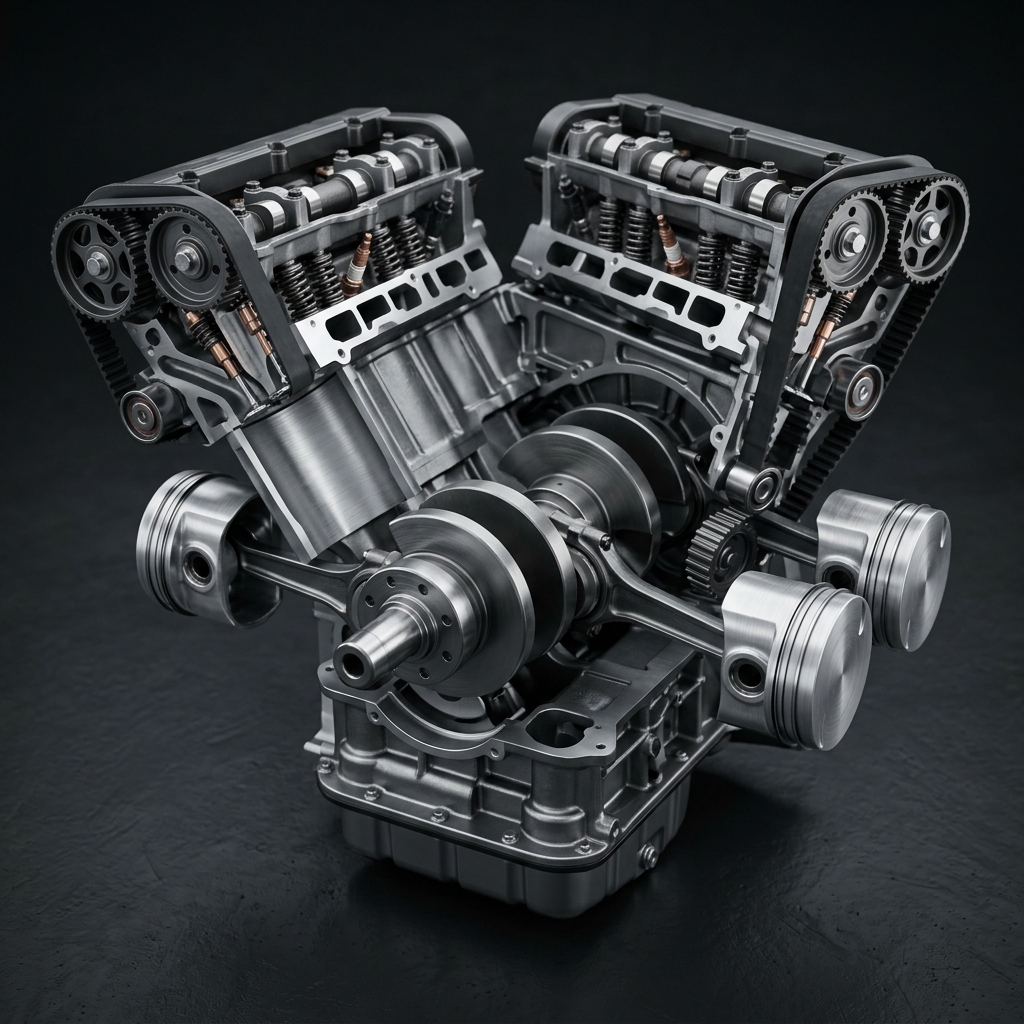
Subaru utilizes a unique horizontally opposed **BOXER engine** design across its lineup, in contrast to the upright inline-4 engines standard in Toyotas, Hondas, and Hyundais. This engine lies flat in the engine bay, lowering the vehicle's center of gravity and enhancing handling stability. From a maintenance standpoint, this architecture has distinct features: 1. **Top-Mounted Oil Filter:** Modern Subaru engines feature an oil filter situated right on top of the engine bay. Oil changes are clean, rapid, and effortless for technicians. 2. **Horizontal Spark Plug Access:** Because the cylinders point sideways toward the wheel wells, replacing spark plugs every 60,000 miles requires specialized tools and technical dexterity in tighter quarters. 3. **Dual Differential Fluids:** Because Symmetrical AWD is integrated directly into the transmission casing, servicing both front and rear differential fluid requires factory-specified fluids and accurate fill procedures.
Subaru Annual Cost Comparison Across Popular Models: Outback, Forester, Crosstrek, and Ascent
Annual maintenance costs vary across the Subaru vehicle lineup based on vehicle weight, towing capacity, engine displacement, and tire sizes.
Crosstrek ($580 – $640/yr)
As a compact crossover, the Crosstrek places light wear on brake pads, tires, and suspension components. Compact fluid volumes keep routine interval pricing low for commuters traveling between Plainfield and Chicago.
Forester & Outback ($620 – $710/yr)
Midsize utility favorites like the Forester and Outback utilize slightly larger brake rotors and optional 2.4L Turbo engines. Tire replacement costs are standard for 17 to 18-inch all-season tires.
Ascent ($700 – $820/yr)
Subaru's 3-row family SUV features higher curb weight and up to 5,000 lbs of towing capacity. This causes higher friction wear on heavy-duty brake pads and 20-inch tires over time.
How Much Does a 2026 Subaru Outback Depreciate Over Five Years, and What Is Its Residual Value?
Depreciation is the single largest hidden expense of vehicle ownership. While typical midsize crossovers lose 55% to 65% of their value within five years, a **2026 Subaru Outback** is projected to retain **50% to 56% of its residual value** over a 5-year period in northeastern Illinois. For example, if you purchase an Outback for $35,000, it will typically retain approximately $18,200 in trade equity after five years. Compare that to a competitor losing an extra $4,000 in market value over the same timeframe—that preserved equity completely offsets several years of routine oil services, tire replacements, and differential maintenance.
Is the Quoted Price Range for a Subaru Pre-Purchase Inspection Reasonable Compared with General Inspection Costs?
When shopping for a pre-owned vehicle around Joliet or Naperville, investing in a comprehensive Pre-Purchase Inspection (PPI) is essential. The typical industry range for a specialized Subaru PPI is **$150 to $250**. Compared to a generic $99 quick check at a neighborhood garage, a Subaru-specific factory evaluation is well worth the investment. A factory certified technician checks specialized mechanical subsystems that generic scanners miss: 1. **Lineartronic CVT Diagnostics:** Electronic scanning of transmission control module (TCM) lock-up duty ratios and fluid thermal degradation counters. 2. **AWD Center Differential Coupling:** Inspecting multi-plate transfer clutch condition to prevent binding during tight turning maneuvers. 3. **Head Gasket Integrity & Oil Seepage:** Assessing cylinder head interface seals and timing cover seal conditions. 4. **EyeSight Driver Assist Alignment:** Verifying windshield cameras and radar modules are correctly calibrated.
What Is Covered Under the Subaru Added Security Gold Plus Plan?
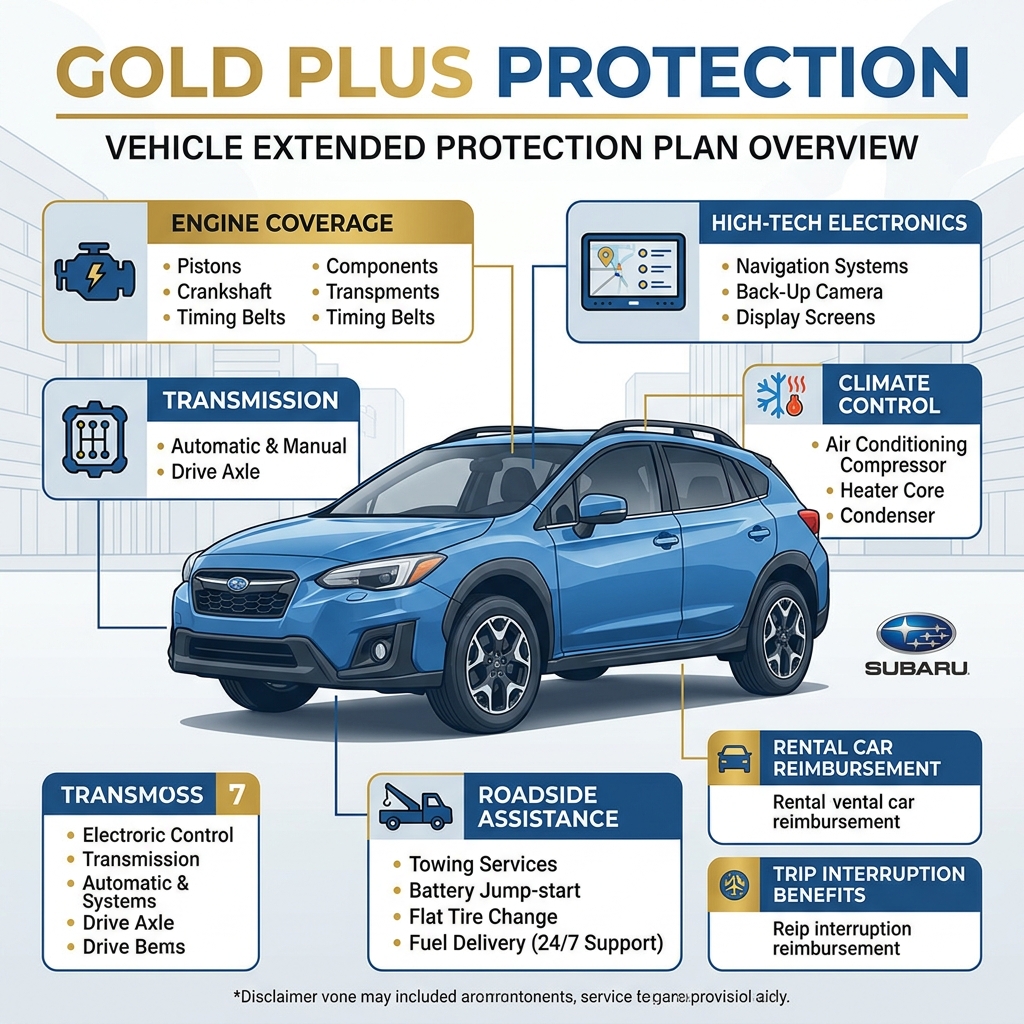
To eliminate the risk of unexpected out-of-pocket mechanical bills, Subaru offers the factory-backed **Added Security Gold Plus Plan**. Unlike third-party warranty schemes, Gold Plus protection is backed directly by Subaru of America and honored at authorized dealerships nationwide. Key coverage components include: • **Engine & Powertrain:** Complete BOXER engine block, turbochargers, cylinder heads, water pump, and oil pan. • **Transmission & AWD:** Lineartronic CVT, torque converter, front/rear differential assemblies, drive shafts, and constant velocity (CV) joints. • **Advanced Electronics & Safety:** EyeSight cameras, blind-spot detection sensors, STARLINK infotainment units, adaptive cruise control components, and climate control actuators. • **Roadside Assistance:** 24/7 towing, battery jump-starts, flat tire changes, lockout service, and trip interruption reimbursement.
Practical Tips to Lower Your Subaru Maintenance Costs in Plainfield and Joliet
1. Winter Undercarriage Washes
Road salt applied during Will County winters accelerates suspension corrosion. Rinsing the undercarriage regularly preserves exhaust heat shields, brake lines, and suspension links.
2. Rotate Tires Every 6,000 Mi
Symmetrical AWD requires all four tires to possess closely matched tread depth. Frequent rotations prevent uneven wear, protecting your center differential from thermal strain.
3. Utilize Dealer Specials
Always check Hawk Subaru service offers before visiting. Combining coupon bundle discounts with OEM parts pricing keeps overall annual costs low.
Why Choosing OEM Subaru Parts and Factory Service Preserves Long-Term Resale Value
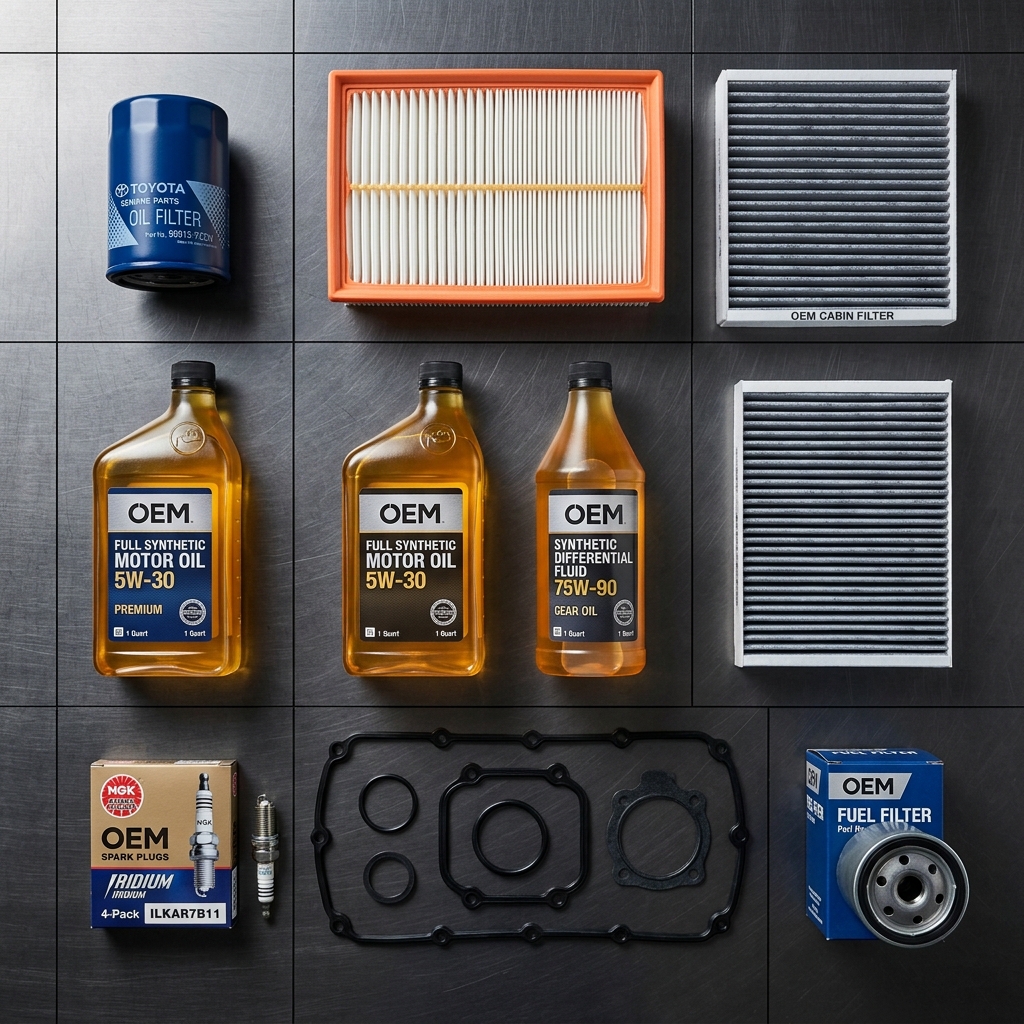
Installing genuine OEM components directly protects your vehicle's engine and drivetrain performance. Genuine Subaru oil filters feature precise internal pressure relief valves designed specifically for BOXER engine oil pressures—aftermarket filters often lack these exact tolerances, potentially leading to dry cold starts. Additionally, maintaining a documented service history at an authorized facility like our Parts Center provides prospective buyers or dealership appraisers verified proof of care. Vehicles with complete, official maintenance records command top dollar when it comes time to sell or trade.
Schedule Your Subaru Maintenance or Inspection at Hawk Subaru in Plainfield Today
Whether your vehicle is due for its 30,000-mile interval, needs a seasonal winter checkup, or requires a comprehensive Pre-Purchase Inspection, trust the certified master technicians at Hawk Subaru. We proudly serve drivers across Plainfield, Naperville, Joliet, and surrounding Will County communities. Visit us at 2401 Rte 59, Plainfield, IL 60586 or get in touch with our expert service advisors today. Get Directions to Hawk Subaru or Call us at (815) 725-3789. Looking to finance your next vehicle? You can also Get Pre-Approved for Financing online in minutes.