The Ultimate Subaru Towing Guide: What Can Your Symmetrical AWD Pull?
Summertime in northeastern Illinois brings endless opportunities for outdoor adventure, from weekend camping trips along the DuPage River to hauling jet skis out to regional lakes. When it comes to pulling your favorite recreational gear, understanding your vehicle's towing limits is essential for safety, efficiency, and maintaining your powertrain's longevity. This comprehensive guide breaks down the towing capacities of the entire Subaru lineup, highlighting how Subaru's legendary Symmetrical All-Wheel Drive provides unique engineering advantages that make towing more stable and secure on the roads of Plainfield, Naperville, and beyond. Whether you are towing a teardrop camper, a utility trailer, or a boat, we have the expert insights you need to hit the road with complete confidence.
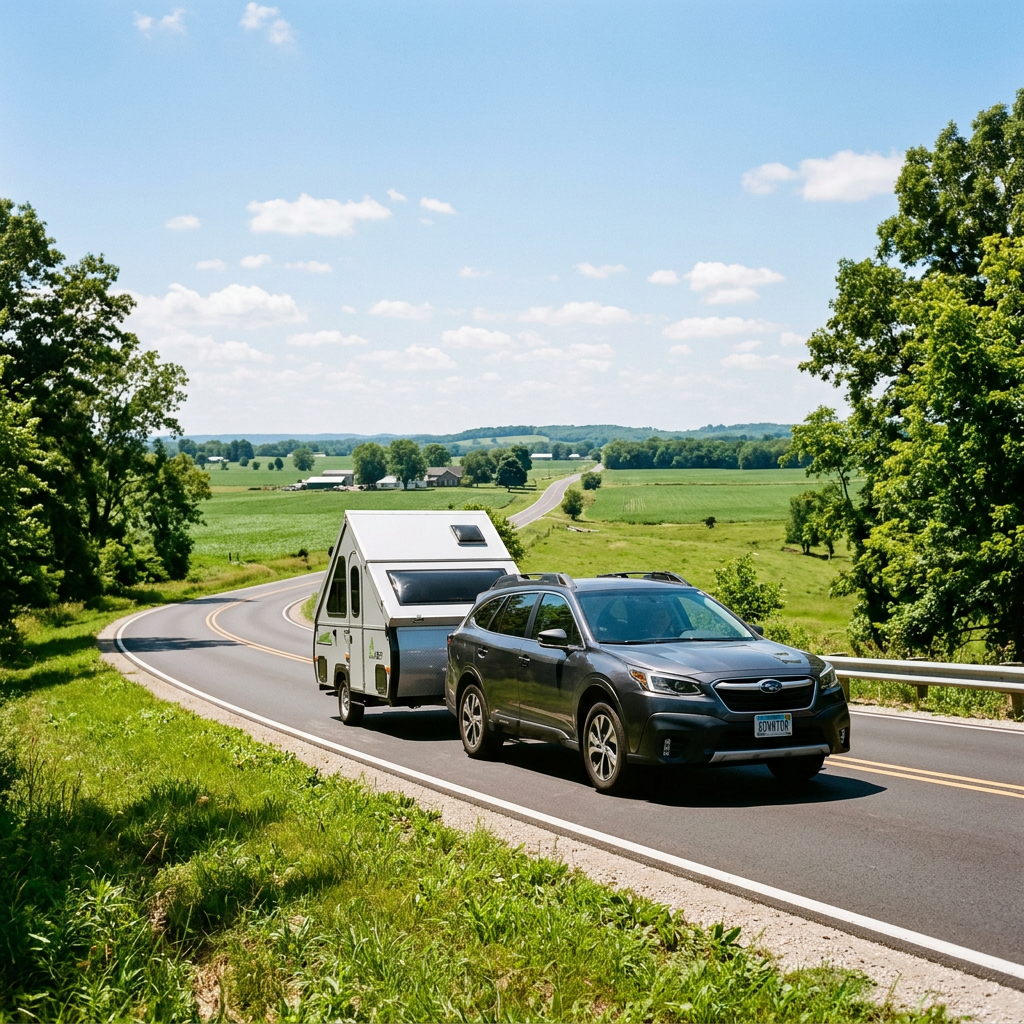
Towing is not merely about raw engine power; it is about how effectively a vehicle manages weight distribution, traction, and braking under load. Traditional front-wheel-drive or part-time four-wheel-drive systems can experience slippage or uneven power delivery when climbing hills or navigating wet pavements with a heavy trailer attached. Subaru's Symmetrical AWD delivers continuous power to all four wheels simultaneously, actively monitoring road conditions to distribute torque where it is needed most. This translates to exceptional trailer stability, minimized sway, and a significantly reduced risk of jackknifing when driving through sudden summer downpours. By choosing a Subaru, you are opting for a system engineered to keep both your vehicle and your cargo securely planted on the asphalt.
Before hooking up any trailer, it is crucial to understand the terms that govern towing. Gross Vehicle Weight Rating (GVWR), Gross Axle Weight Rating (GAWR), tongue weight, and overall towing capacity must all be balanced. Tongue weight—the downward force exerted on the hitch ball by the trailer coupler—should typically remain between 10% and 15% of the total loaded trailer weight. If the tongue weight is too light, the trailer will be prone to dangerous sway; if it is too heavy, your vehicle's rear suspension will sag, compromising steering control and braking efficiency. Throughout this guide, we will explore how each specific model manages these forces, ensuring you select the perfect configuration for your local hauling requirements.
What is the Towing Capacity of the Subaru Outback?
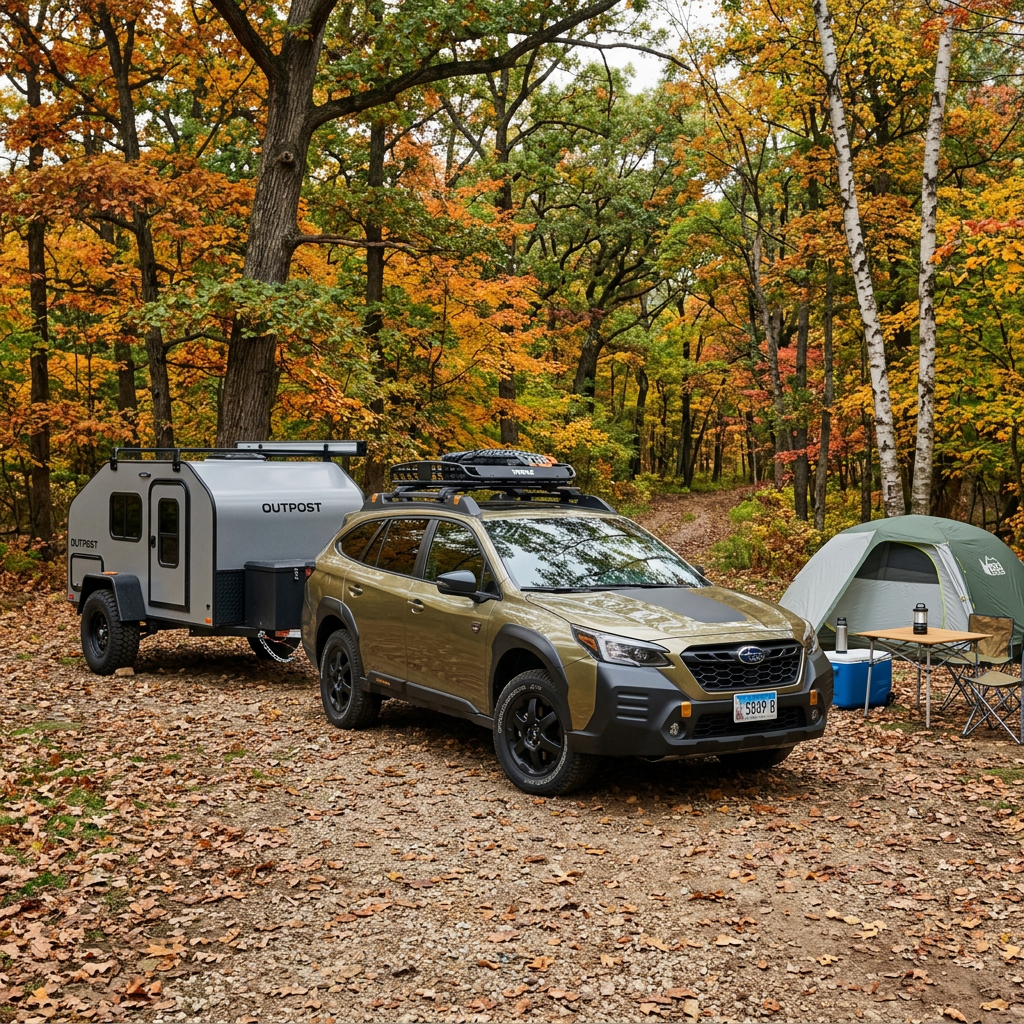
When planning your trips, it is vital to account for the weight of your passengers, gear, and fuel, as these factors contribute to your vehicle's overall Gross Combined Weight Rating (GCWR). A trailer that weighs 3,000 pounds empty can quickly exceed the 3,500-pound limit once you load it with freshwater tanks, propane, camping gear, and coolers. The Outback Wilderness is particularly well-suited for towing through uneven terrain, thanks to its elevated ground clearance of 9.5 inches, retuned CVT gearing, and a heavy-duty rear differential rear sensor that handles heat buildup more efficiently during strenuous climbs.
If you are wondering how your current vehicle compares to a brand-new Outback XT, you can easily Value Your Trade-In on our website to see how much equity you can apply toward a towing upgrade. Our team can help you evaluate your trade and find the exact Outback model that aligns with your summer travel ambitions.
Does the Base Subaru Ascent Tow 5,000 Pounds?
The Subaru Ascent is the largest vehicle in the Subaru lineup, designed to transport up to eight passengers in absolute comfort. While the Ascent is widely celebrated for its robust 5,000-pound maximum towing capacity, there is a critical detail that buyers must keep in mind: the base-level Subaru Ascent is only rated to tow up to 2,000 pounds. This discrepancy is not due to a difference in engine output, as every Ascent model features the identical 2.4-liter turbocharged BOXER engine producing 260 horsepower and 277 lb-ft of torque. Instead, the limitation stems entirely from cooling infrastructure and vehicle software integration.
When compared to three-row competitors like the Honda Pilot or Toyota Highlander, the Ascent's standard Symmetrical AWD and low center of gravity—thanks to its horizontally opposed BOXER engine design—provide superior lateral stability when towing at highway speeds. This design minimizes the 'tail wagging the dog' sensation that can occur when passing semi-trucks on Interstate 55 or driving through gusty crosswinds in the open plains of Will County. If you want to experience this stability firsthand, you can Browse New Inventory at Hawk Subaru to find the perfect high-capacity Ascent model for your family.
Subaru Ascent vs. Honda Pilot: Fuel Requirements and Towing Performance
Can the Subaru Solterra Electric Vehicle Tow?
Subaru Forester and Crosstrek Towing Capacities Explained
For many drivers, a massive three-row SUV is more vehicle than they need. Compact and subcompact SUVs like the Subaru Forester and Crosstrek offer exceptional daily fuel efficiency and maneuverability, while still providing highly capable utility for weekend projects and light towing duties. Let's break down exactly what these popular models can pull when you head out on your next excursion.
Whether you choose a standard trim or a Wilderness edition, matching your trailer weight to your vehicle's specific rating is key to protecting your engine, transmission, and brakes. If you are shopping for a pre-owned model or looking to find an affordable entry point into the Subaru family, you can Browse Used Inventory at Hawk Subaru to find an exceptionally maintained Crosstrek or Forester equipped for your hauling needs.
Is It Cheaper to Get an Aftermarket Hitch Installed?
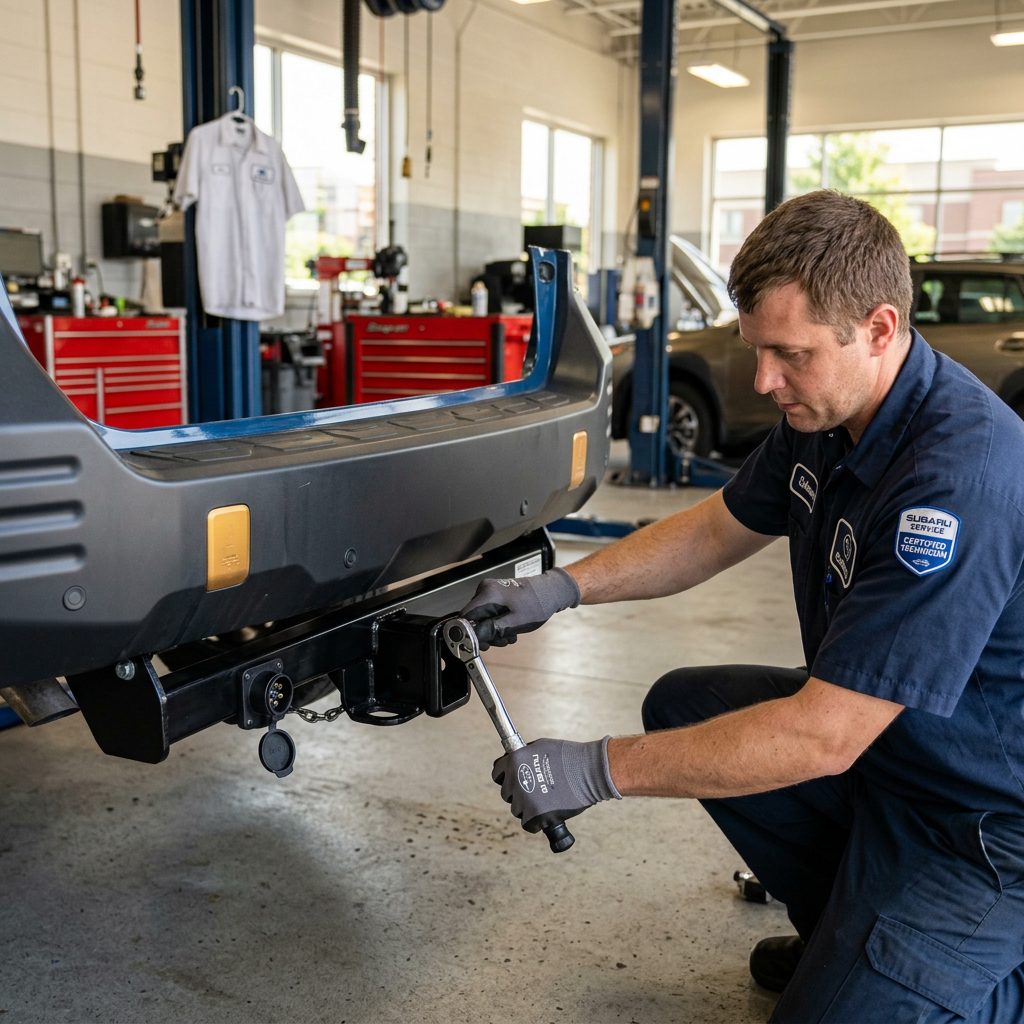
Electrical integration is another critical area where aftermarket solutions fall short. A standard aftermarket installation often involves splicing into your vehicle's factory wiring harness, which can trigger electrical faults, disrupt the highly sensitive EyeSight Driver Assist technology, or malfunction under heavy loads. In contrast, an OEM Subaru trailer hitch kit plugs directly into a dedicated, pre-engineered factory wiring port, ensuring flawless communication between your trailer's lights and your vehicle's onboard safety systems.
To protect your investment and maintain your vehicle's warranty, it is always recommended to utilize genuine parts. You can consult with the specialists at our Parts Center to order the exact OEM hitch kit designed for your model and year, ensuring a perfect fit and finish.
What is Included in the Subaru Trailer Hitch Accessory Kit?
Choosing a genuine OEM Subaru trailer hitch accessory kit guarantees that your vehicle's structural integrity, safety systems, and aesthetic appeal remain completely intact. Unlike aftermarket hitches, which sit low and look like an afterthought, Subaru's engineered kits are designed to mount directly to the vehicle's frame and integrate seamlessly behind or within the rear bumper fascia. Let's look at what is included in a complete, factory-approved installation kit.
Additionally, the kit includes a custom-designed bumper cover trim piece that surrounds the receiver opening, maintaining the clean, factory look of your rear bumper. By choosing a genuine Subaru accessory kit, you avoid messy modifications and guarantee that your vehicle's active safety systems function exactly as intended. If you are ready to equip your vehicle with a factory hitch, you can easily Schedule Your Service Today with our factory-trained technicians at Hawk Subaru.
CVT Maintenance for Towing: Protecting Your Powertrain
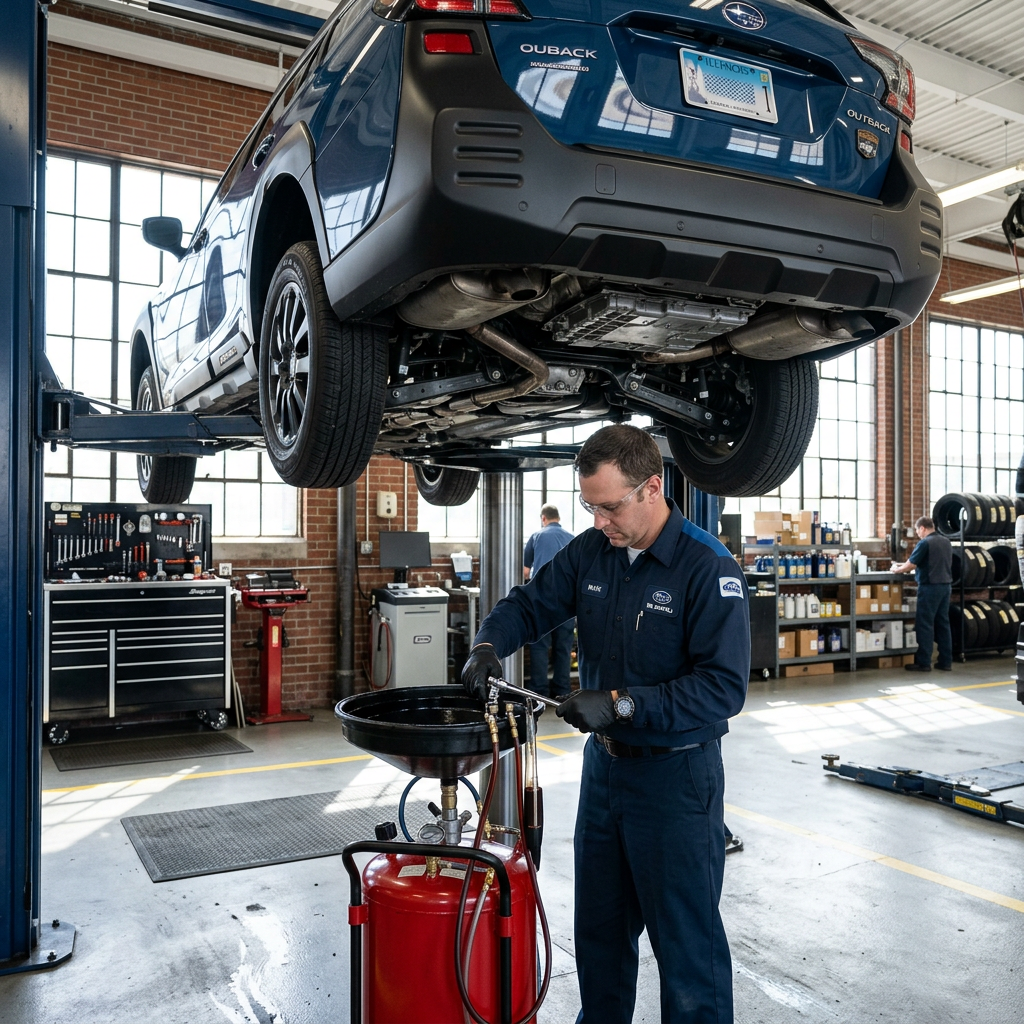
In addition to regular fluid changes, there are several driving habits that can help protect your CVT while towing. When towing uphill or launching a boat ramp, utilize the steering-wheel-mounted paddle shifters (if equipped) to manually select a lower 'gear' ratio. This keeps the engine in its optimal power band and prevents the CVT from hunting for the right ratio, reducing heat buildup. Also, always ensure your trailer brakes are properly adjusted (for trailers equipped with them) so your vehicle's brakes and transmission are not doing all the hard work during descents.
If your Subaru is approaching a major service interval or you have been putting heavy towing miles on it this summer, do not wait for a warning light to appear. You can easily Schedule Your Service Today at Hawk Subaru, where our factory-certified technicians use genuine Subaru high-torque CVT fluid to keep your powertrain running like new.
Essential Safety Tips for Towing Through Plainfield and Naperville
Towing a trailer through the bustling suburbs of northeastern Illinois requires extra vigilance, patience, and a solid understanding of how the added weight alters your vehicle's dynamics. Navigating Route 59 or driving along the winding roads near the DuPage River demands a proactive approach to safety. The laws of physics dictate that a vehicle carrying an extra 1,500 to 5,000 pounds will accelerate slower, steer less responsively, and require significantly longer distances to come to a complete stop.
First and foremost, always ensure your trailer's load is balanced correctly. Place approximately 60% of the cargo weight in the front half of the trailer (closest to your Subaru), securing it tightly to prevent shifting during transit. An unbalanced trailer with too much weight in the rear is highly susceptible to trailer sway, a dangerous fishtailing motion that can quickly lead to a loss of control. If your trailer begins to sway, resist the urge to slam on your vehicle's brakes; instead, maintain a steady speed or gently accelerate while manually applying the trailer brakes (if equipped with a brake controller) to pull the trailer back into alignment.
|
Subaru Model |
Standard Capacity (lbs) |
Wilderness / XT Capacity (lbs) |
Ideal Summer Cargo |
|---|---|---|---|
|
Subaru Crosstrek |
1,500 |
3,500 (Wilderness) |
Light utility trailers, dirt bikes, teardrop campers |
|
Subaru Forester |
1,500 |
3,000 (Wilderness) |
Small pop-up campers, jet skis, single-axle trailers |
|
Subaru Outback |
2,700 |
3,500 |
Fiberglass campers, small fishing boats, utility gear |
|
Subaru Ascent |
2,000 (Base) |
5,000 (Premium & up) |
Medium travel trailers, outboard motorboats, large gear |
Furthermore, remember that Subaru's Symmetrical AWD is a powerful tool, but it cannot override the limits of adhesion on wet or slippery summer roads. When driving through local rainstorms, increase your following distance to at least four or five seconds behind the vehicle ahead. This extra buffer gives you ample time to react and apply braking force smoothly. Before every trip, perform a quick pre-departure inspection: verify that all safety chains are securely crossed under the coupler, check that your trailer lights work perfectly, and confirm that all tires (including the trailer spare) are inflated to the manufacturer's recommended cold pressure.
Get Tow-Ready at Hawk Subaru in Plainfield
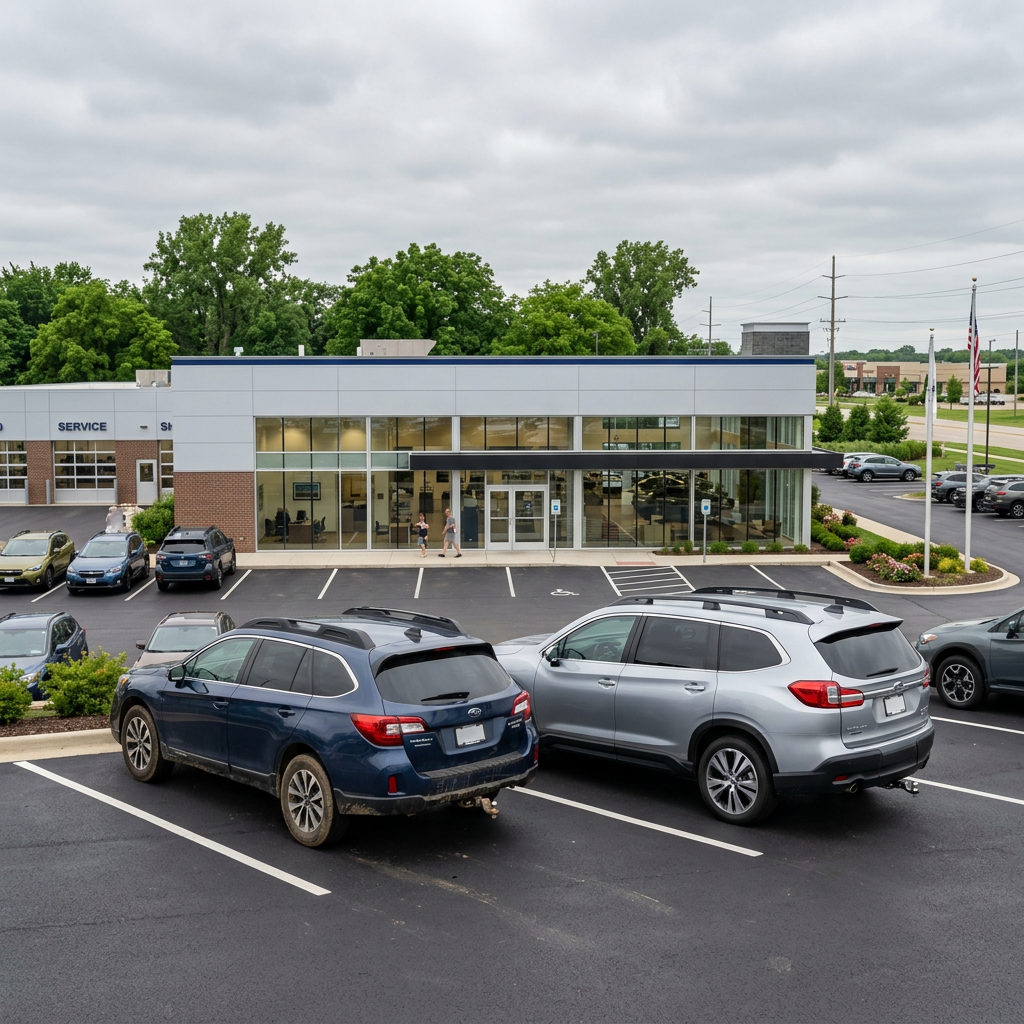
Ready to get started? Get Directions to Hawk Subaru and visit our dealership located at 2401 Rte, 59, Plainfield, IL 60586. If you have any questions about towing capacities, parts, or current vehicle availability, please do not hesitate to Call us at (815) 725-3789 to speak directly with one of our specialists. We look forward to helping you make the most of your summer adventures!