Decoding the Crash Tests: How Are Subaru Safety Ratings from the IIHS?
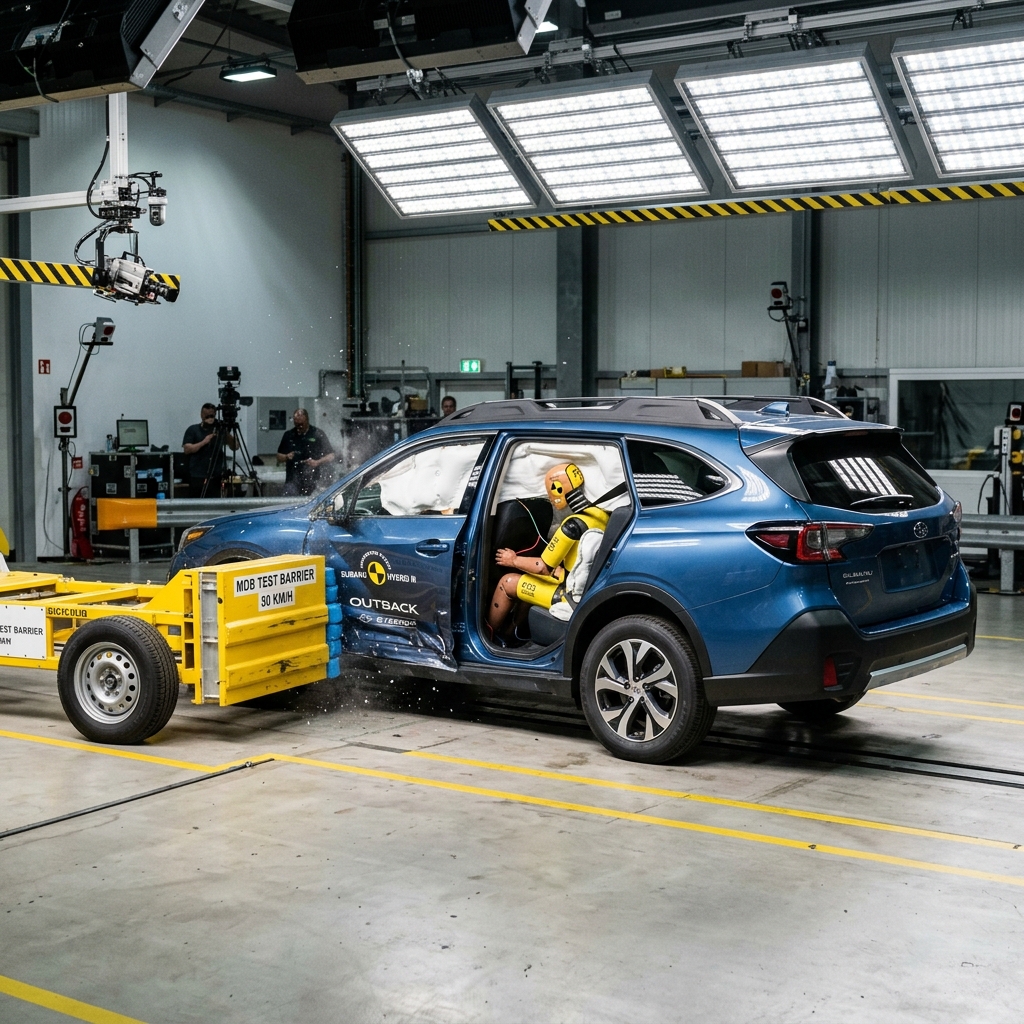
A blue Subaru Outback undergoing a side-impact crash test with a yellow mobile barrier in a test facility. (Representative image for illustration purposes only. Actual vehicle may vary based on trim and configuration.)

When you set out to buy a new vehicle for your family or your daily commute in northern Illinois, safety isn't just a bullet point on a brochure—it is a non-negotiable priority. For drivers navigating the bustling corridors of Route 59, dealing with unpredictable weather variations around Plainfield, and commuting into downtown Chicago, having confidence in your vehicle's protective engineering is essential. The Insurance Institute for Highway Safety (IIHS) serves as the gold standard for automotive safety evaluation, pushing vehicles to their absolute structural limits to determine how well they protect human life during a collision. Subaru has spent decades building a legendary reputation for safety, consistently earning top-tier marks from the IIHS across its entire lineup. But what exactly goes into these ratings, and how does Subaru maintain such a dominant position year after year? To truly understand Subaru's safety ratings, we must look at the two distinct pillars of the IIHS evaluation process: crashworthiness and crash avoidance/mitigation. Crashworthiness determines how well a vehicle protects its occupants during an actual accident, analyzing structural deformation, airbag deployment timing, and dummy sensor readouts during frontal, side, and rollover tests. Crash avoidance, on the other hand, measures a vehicle's ability to prevent an accident from happening in the first place, focusing on active safety suites, automatic emergency braking, and headlight visibility. Subaru's engineering philosophy blends these two paradigms seamlessly, ensuring that if an accident cannot be avoided, the vehicle's structural cage is fully optimized to absorb and redirect destructive kinetic energy away from the cabin. Over the past several years, the IIHS has dramatically raised the bar for what it takes to earn the coveted Top Safety Pick (TSP) and Top Safety Pick+ (TSP+) designations. By introducing heavier crash barriers, faster impact speeds, and strict nighttime pedestrian detection criteria, the institute has forced automakers to re-engineer their platforms. Yet, even as these standards grow increasingly rigorous, Subaru models consistently emerge at the front of the pack. This continuous success is not an accident of marketing; it is the direct result of a safety-first engineering mindset that integrates structural strength, advanced sensor technology, and real-world crash analysis into every vehicle that rolls off the assembly line.

For local families in Plainfield and Naperville, these high ratings translate directly into peace of mind. Knowing that your SUV has been tested against a 4,200-pound barrier simulating a modern midsize SUV collision—and passed with the highest possible marks—makes all the difference when you are transporting your most precious cargo. In this comprehensive guide, we will break down the specific active and passive safety features that drive Subaru's historic IIHS performance, compare its core lineup side-by-side with key competitors, and explore how investing in a safety-first platform offers long-term financial and physical security for local drivers.

What Safety Equipment Is Standard on the Subaru EyeSight Driver Assist Technology?
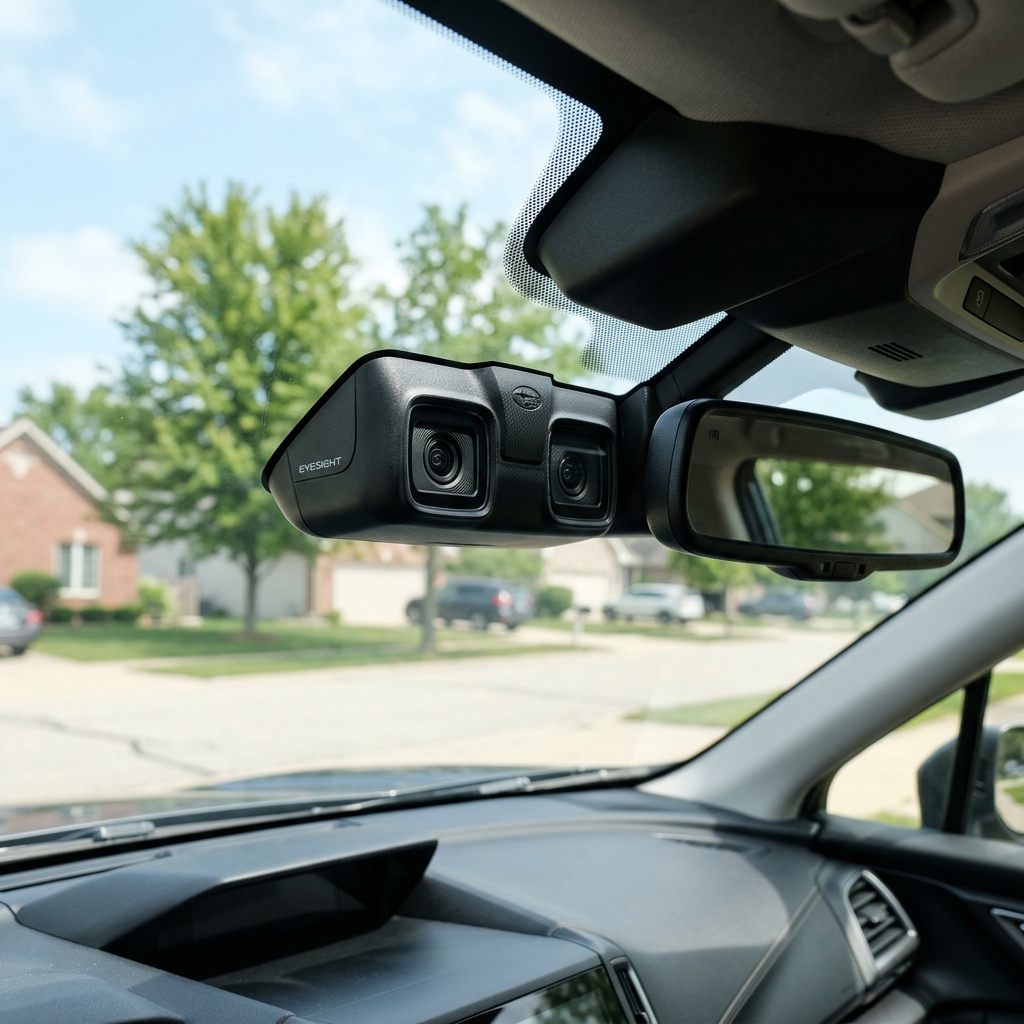
At the absolute core of Subaru's preventative safety strategy is the standard EyeSight Driver Assist Technology suite. Unlike many competing automotive systems that rely on radar sensors hidden in the front bumper, Subaru’s EyeSight utilizes dual color cameras mounted high and inside the vehicle, flush against the windshield on either side of the rearview mirror. This positioning mimics the human eye, providing a wide-angle, stereoscopic view of the road ahead. By constantly scanning for vehicles, pedestrians, cyclists, and lane markings, EyeSight is able to identify potential hazards with incredible speed and accuracy, directly powering the high crash-avoidance ratings awarded by the IIHS. One of the most critical components of the EyeSight suite is the Pre-Collision Braking system. When the stereoscopic cameras detect an impending collision with a vehicle or pedestrian ahead, the system first provides visual and audible alerts to the driver. If the driver fails to react in time, EyeSight can automatically apply full braking force to bring the vehicle to a complete stop, drastically reducing the severity of an impact or avoiding it entirely. This system is a primary reason why Subaru models regularly secure the highest possible ratings in front crash prevention tests, which evaluate automatic emergency braking effectiveness at both 12 mph and 25 mph. Under updated IIHS standards, these systems are also evaluated in total darkness to simulate night driving, where Subaru’s advanced optical sensors continue to excel.

Beyond pre-collision intervention, EyeSight includes several driver-assist technologies designed to ease the stress of daily commuting. Advanced Adaptive Cruise Control with Lane Centering takes the tediousness out of stop-and-go traffic on Route 59, automatically maintaining a safe following distance from the vehicle ahead while keeping you centered in your lane. Lane Departure and Sway Warning alert you if your vehicle begins to drift, while Lane Keep Assist gently guides you back into your lane if necessary. Additionally, Pre-Collision Throttle Management can detect if an obstacle is directly in front of you when starting from a stop, restricting engine power to minimize potential impact damage if you accidentally shift into the wrong gear. This integrated shield of standard technology works quietly in the background, keeping you safe without feeling intrusive.

Subaru EyeSight dual-camera driver assist system mounted on a car windshield next to the rearview mirror. (Representative image for illustration purposes only. Actual vehicle may vary based on trim and configuration.)

Why Did the 2026 Subaru Crosstrek Hybrid Earn an IIHS Top Safety Pick+ Award?

The arrival of the 2026 Subaru Crosstrek Hybrid has generated incredible excitement, but what makes this vehicle truly remarkable is its immediate recognition as an IIHS Top Safety Pick+ award winner. Securing the absolute highest rating possible is no easy feat, especially for a hybrid compact SUV where the integration of a battery pack and hybrid drivetrain components introduces unique structural challenges. Subaru’s engineering team designed the Crosstrek Hybrid from the ground up to protect both the passengers and the high-voltage electrical architecture, utilizing a reinforced version of the Subaru Global Platform that absorbs and dissipates crash forces with extraordinary efficiency. One of the main reasons the Crosstrek Hybrid secured the '+' distinction is its outstanding performance in the IIHS's updated side-impact crash test. This updated evaluation is significantly more brutal than previous iterations, utilizing a heavier 4,200-pound barrier (up from 3,300 pounds) traveling at a higher speed of 37 mph (up from 31 mph). This change represents an 82% increase in total crash energy. Thanks to high-strength steel reinforcements in the B-pillars, doors, and side sills, the Crosstrek Hybrid maintained superb structural integrity during this test, preventing cabin intrusion and ensuring the side airbags deployed perfectly to cushion the dummy occupants.

In addition to physical structure, the Crosstrek Hybrid excelled in headlight performance and pedestrian crash avoidance. Many modern vehicles lose points because their headlights fail to illuminate curves adequately or create excessive glare for oncoming traffic. The Crosstrek Hybrid comes standard with steering-responsive LED headlights and High Beam Assist, providing optimal illumination through dark suburban turns without blinding other drivers. Combined with an upgraded EyeSight system capable of detecting pedestrians and cyclists in low-light conditions, the Crosstrek Hybrid proved it could prevent accidents in the most challenging scenarios. We invite you to explore our new hybrid lineup and experience this award-winning compact SUV for yourself.

How Do Subaru’s IIHS Ratings Compare with Toyota’s RAV4 and Mazda CX-5?

To understand the true value of Subaru’s safety engineering, it helps to look at a side-by-side comparison with key competitors in the highly popular compact SUV segment: the Toyota RAV4 and the Mazda CX-5. While all three of these vehicles are highly respected, subtle differences in recent IIHS testing results reveal why Subaru continues to lead in real-world protection. When the IIHS updated its moderate overlap front crash test to place a dummy in the rear seat behind the driver, many long-standing favorites struggled to maintain their top scores. Below, we examine how the popular Subaru Forester compares directly to these key rivals in critical crashworthiness categories.

IIHS Test Category

Subaru Forester

Toyota RAV4

Mazda CX-5

Small Overlap Front: Driver Side

Good

Good

Good

Small Overlap Front: Passenger Side

Good

Good

Good

Updated Moderate Overlap Front (Rear Passenger)

Good

Acceptable

Marginal

Updated Side Impact (Heavy Barrier)

Good

Acceptable

Good

Front Crash Prevention (Pedestrian)

Superior / Good

Acceptable

Acceptable

Standard Headlight Performance

Good

Acceptable

Good

Subaru Forester Advantage

The Subaru Forester excels in the highly challenging updated moderate overlap front test, earning a 'Good' rating by providing superior protection for rear-seat passengers. Its standard EyeSight system also outpaces competitors, securing top marks in both daytime and nighttime pedestrian detection. Headlight visibility remains outstanding, ensuring excellent peripheral coverage through dark curves.

Toyota RAV4 Comparison

While the Toyota RAV4 remains a strong option, it fell short in the updated moderate overlap frontal test, earning an 'Acceptable' score due to elevated risk of chest and head injuries to rear-seat passengers. Additionally, its standard headlight configurations received 'Acceptable' marks, indicating a slight deficit in cornering illumination compared to Subaru’s steering-responsive LEDs.

Mazda CX-5 Comparison

The Mazda CX-5 holds up well in standard side-impact tests, but struggles significantly with rear occupant safety in the updated moderate overlap test, dropping to a 'Marginal' rating. This highlights a structural focus on front-seat occupants at the expense of rear passengers, making it less optimal for growing families or carpooling commuters.

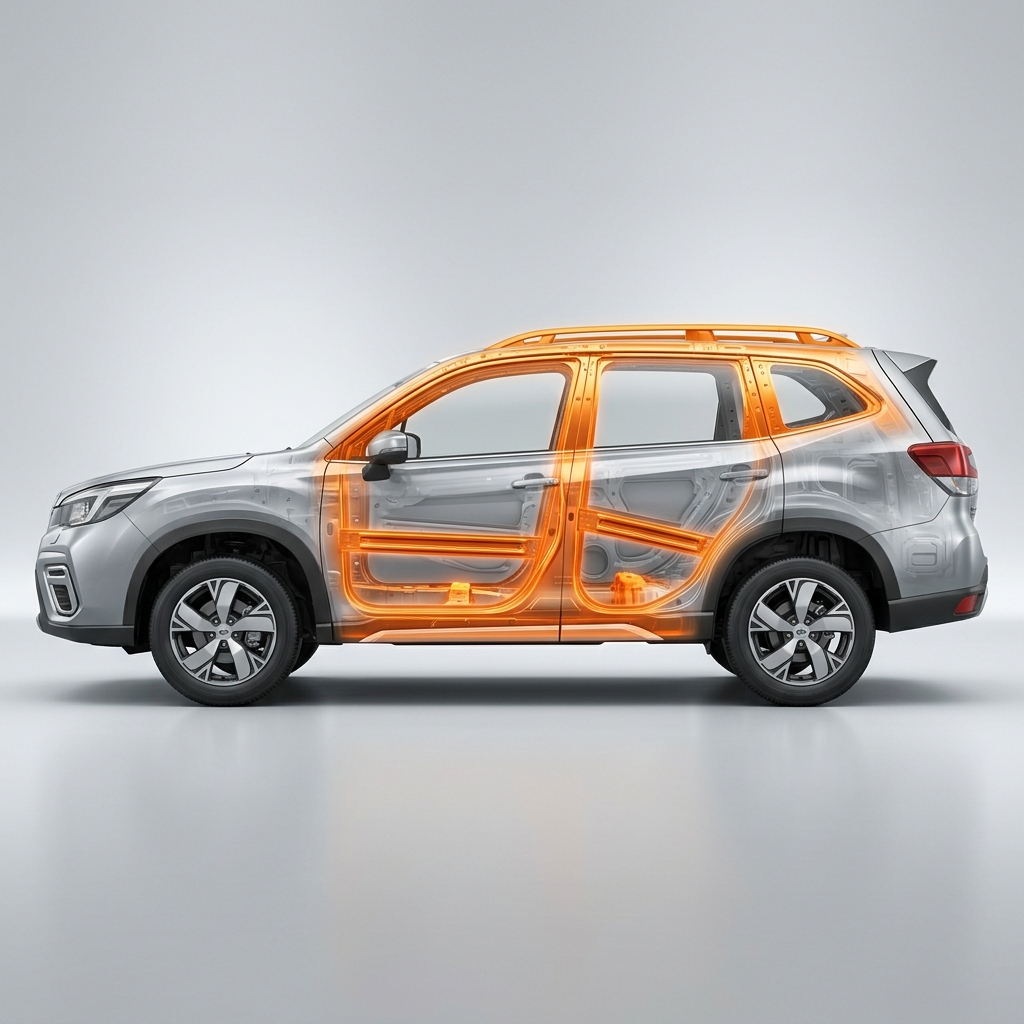
X-ray view of a silver SUV showing its orange-highlighted internal safety cage and side-impact door beams. (Representative image for illustration purposes only. Actual vehicle may vary based on trim and configuration.)

Does Having Current IIHS Ratings Add to the Forester’s Value Compared to Untested Rivals?

When purchasing a vehicle, many buyers look strictly at the initial purchase price or monthly payment. However, smart car buyers understand that the true cost of ownership is determined by long-term value, depreciation, and insurance rates. This is where verified, current IIHS safety ratings become a powerful financial asset. Vehicles that consistently earn Top Safety Pick+ awards, like the Subaru Forester, hold their value far better than untested or lower-rated rivals. In the used car market, second and third owners place an extremely high premium on safety, knowing they are purchasing a vehicle engineered to protect their loved ones. This high demand directly translates to slower depreciation and a much higher trade-in value when you are ready to upgrade. Insurance companies are in the business of calculating risk, and they rely heavily on empirical data from organizations like the IIHS to set premium rates. Because Subaru models are statistically involved in fewer severe accidents—and because their safety systems drastically reduce the likelihood of costly bodily injury claims—insurance providers frequently offer significant discounts on premiums for vehicles equipped with standard EyeSight technology. Over several years of ownership, these monthly insurance savings can add up to thousands of dollars, effectively offsetting any price difference between a Subaru and a lesser-equipped competitor.

Furthermore, opting for a vehicle with proven, current safety ratings protects you from sudden drops in value. When the IIHS updates its testing parameters, older vehicle platforms that have not been engineered to meet the new standards can experience sharp declines in demand. By choosing a Subaru Forester—which is continuously updated to conquer the latest, toughest crash tests—you are future-proofing your investment. If you are curious about how much value your current vehicle holds, we invite you to use our trade-in tool to Value Your Trade-In quickly and easily, helping you make a seamless transition into a safer, highly-rated new Subaru.

Does Subaru’s Track Record with IIHS Justify Paying a Premium?

It is a common question among automotive shoppers: is a Subaru’s safety-first engineering truly worth the investment? To answer this, we must look beneath the sheet metal at the specialized, proprietary engineering that sets Subaru apart. Every Subaru, with the exception of the BRZ sports car, comes standard with Symmetrical All-Wheel Drive. Unlike reactive slip-and-grip systems found on many competitors, Subaru’s AWD system continuously distributes power to all four wheels, optimizing traction and stability in real time. This active safety benefit works in tandem with the vehicle's suspension and braking systems to prevent loss of control on wet, icy, or debris-strewn roads, helping you avoid an accident entirely. Should a collision become unavoidable, Subaru's unique Ring-Shaped Reinforcement Frame provides an unparalleled level of cabin protection. This structural cage connects the roof, side pillars, and floor into a continuous, high-strength loop of steel. In a crash, this design acts as a shield, absorbing the force of the impact and channeling it around the passenger compartment rather than through it. Additionally, Subaru’s signature Boxer engine features a flat, horizontally opposed cylinder layout. Because the engine is mounted low in the chassis, it lowers the vehicle’s center of gravity for improved handling. Crucially, in a severe frontal collision, this low mounting position allows the engine to slide underneath the passenger cabin rather than being pushed back into the driver's footwell. This level of specialized engineering requires immense research, high-quality materials, and precision manufacturing. While this can result in a modest price premium compared to entry-level, front-wheel-drive competitors, the long-term payoff is clear. Paying for a vehicle with a proven, decades-long track record of IIHS success means investing in engineered peace of mind. It means knowing that if the unexpected happens on the road, you and your passengers are surrounded by some of the most sophisticated protective technology ever put into a passenger vehicle. For most families, that confidence is absolutely priceless.

Why Should Plainfield Shoppers Prioritize Subaru Models with 2026 Top Safety Pick+ Awards?
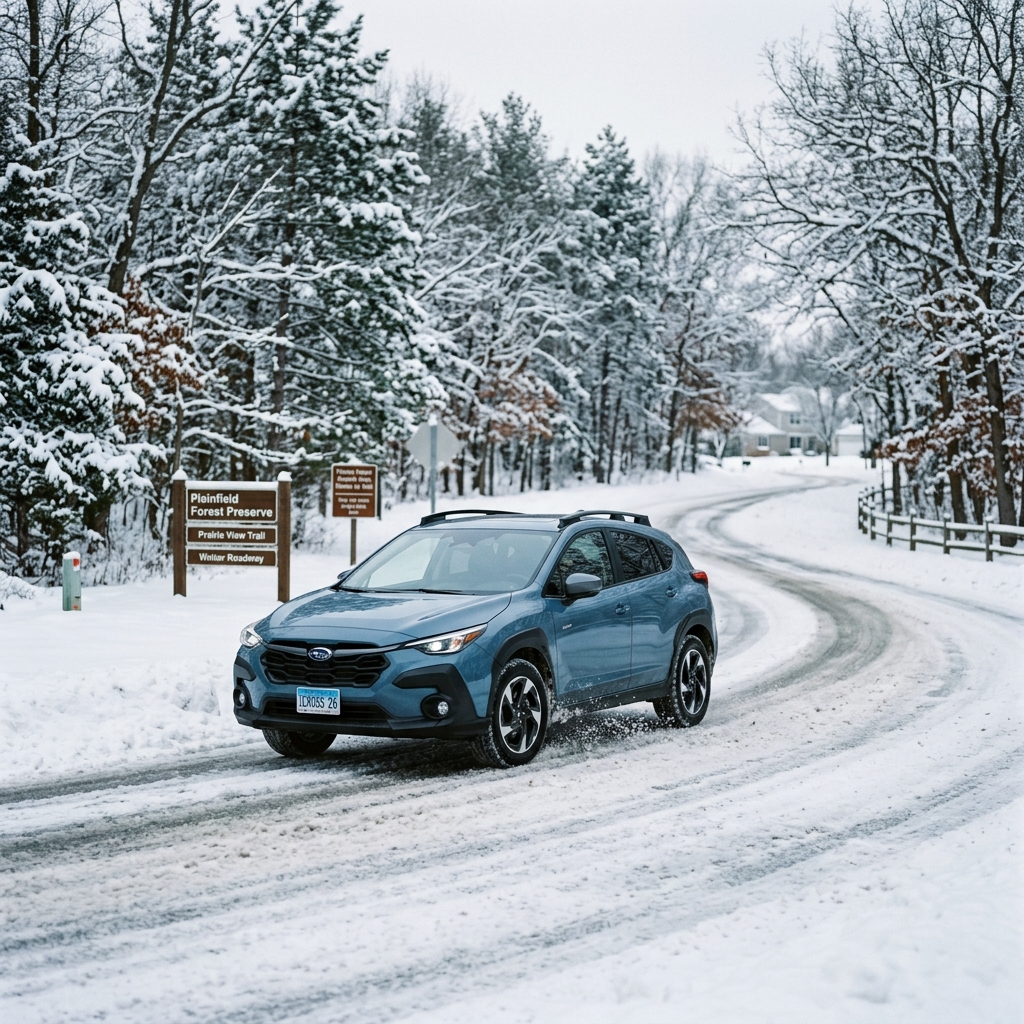
Driving in northeastern Illinois presents a highly diverse set of challenges that demand a vehicle with superior safety credentials. From the heavy commuter traffic along Route 59 and Interstate 55 to the intense weather shifts of the Midwest, local drivers regularly face hazardous conditions. During the winter months, unexpected lake-effect snow and black ice can turn a routine trip to the grocery store into a stressful ordeal. In the summer, sudden, torrential downpours can severely reduce visibility and create hydroplaning hazards. Prioritizing a Subaru model with a 2026 IIHS Top Safety Pick+ award is a smart, proactive step toward securing your daily safety. The advanced active safety features validated by the IIHS, such as standard Symmetrical All-Wheel Drive and the EyeSight driver assist suite, are uniquely suited for Plainfield's driving environment. If a vehicle ahead suddenly stops on slick pavement, EyeSight's Pre-Collision Braking can intervene faster than human reflexes, helping to prevent a rear-end collision. On dark, unlit rural roads outside the suburban center, steering-responsive LED headlights illuminate around corners, giving you precious extra seconds to spot deer or obstacles in the road. By choosing a vehicle engineered to meet the absolute highest standards of crash prevention and crashworthiness, you are ensuring that your car is fully prepared for whatever Illinois roads throw your way. If you would like to experience these safety features firsthand, we encourage you to Get Directions to Hawk Subaru and visit our showroom today.

A blue Subaru Crosstrek driving on a winding, snow-covered road past a Plainfield Forest Preserve sign. (Representative image for illustration purposes only. Actual vehicle may vary based on trim and configuration.)

Keeping Your EyeSight Calibrated: Why Professional Service Matters After a Windshield Replacement

To maintain the incredible safety standards validated by the IIHS, your Subaru requires proper care and maintenance. One of the most critical, yet frequently overlooked, aspects of active safety system maintenance is EyeSight calibration. Because the dual cameras rely on a crystal-clear, unobstructed view of the road through the windshield, any changes to the glass or the vehicle's ride height can impact the system's accuracy. If your windshield is chipped or cracked by a rogue stone on Route 59 and requires replacement, simply swapping out the glass is not enough. The EyeSight cameras must be precisely recalibrated by factory-trained, certified technicians to ensure they are reading distances and road markings correctly. Even a fraction of a millimeter of misalignment can significantly alter the cameras' field of view, potentially causing the Pre-Collision Braking or Lane Keep Assist systems to respond late, fail to engage, or activate unexpectedly. Certified Subaru service centers utilize specialized target boards and electronic diagnostic equipment to align the cameras precisely to factory specifications. Furthermore, using genuine Subaru OEM glass from our Parts Center is highly recommended, as aftermarket glass may have subtle optical distortions or incorrect tint levels that interfere with the cameras' lenses.

Beyond windshield replacement, suspension modifications or wheel alignment changes can also affect the pitch and angle of the vehicle, necessitating a calibration check. By prioritizing professional, certified Subaru service, you ensure that the advanced safety shield protecting your family remains fully operational and performing exactly as engineered. Don't leave your safety to chance with uncertified repairs; click below to Schedule Your Service Today with the team at Hawk Subaru.

Understanding the Tougher IIHS Side-Impact and Pedestrian Detection Tests

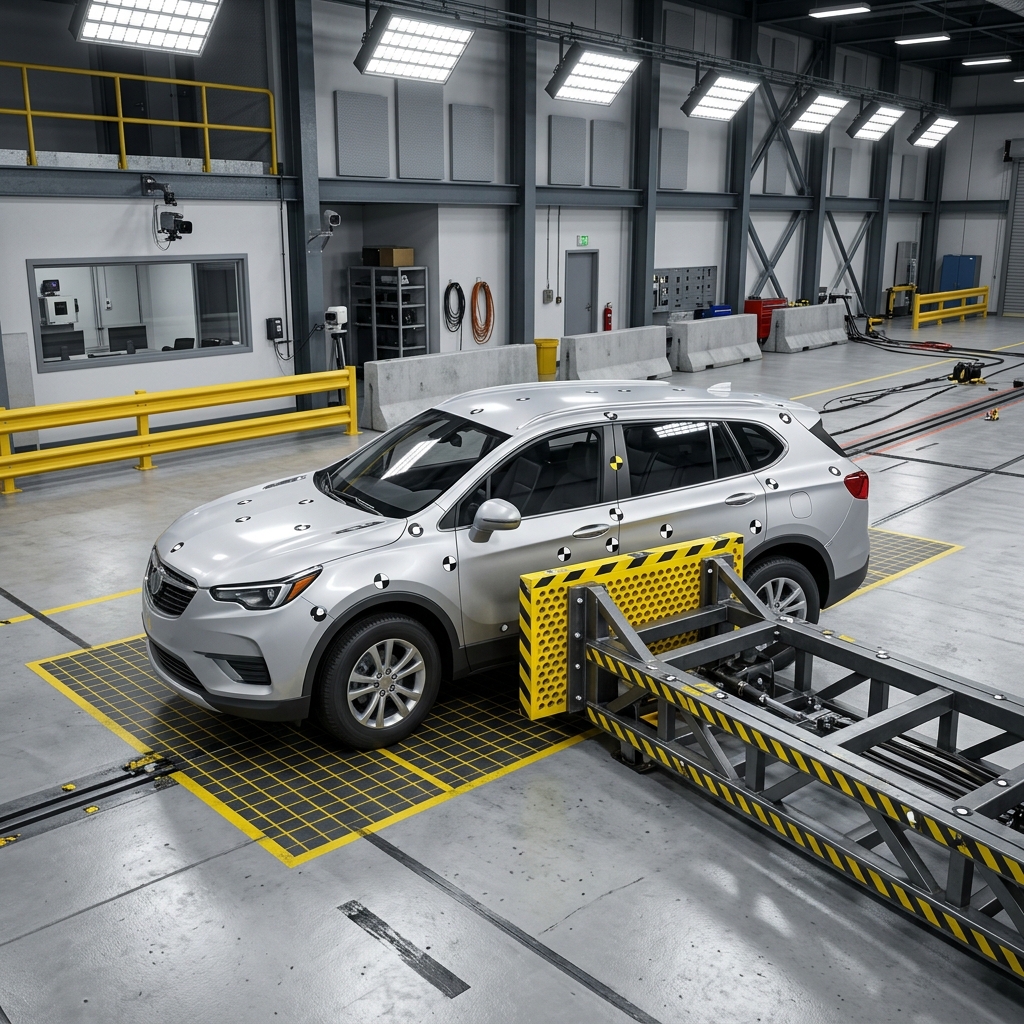
The Insurance Institute for Highway Safety is constantly updating its evaluation standards to reflect real-world accident data. In recent years, the IIHS realized that while vehicles had become much better at surviving side impacts under old testing protocols, real-world side-impact crashes were still resulting in severe injuries, largely due to the increasing size and weight of modern SUVs and pickup trucks on American roads. To address this discrepancy, the IIHS introduced a much more demanding side-impact test. The new test uses a 4,200-pound barrier traveling at 37 mph, creating significantly more crash energy than the old 3,300-pound barrier at 31 mph. This tougher test separates truly safe structures from those that merely pass basic regulatory minimums.
1. Increased Crash Energy

The transition to a 4,200-pound impact barrier moving at 37 mph represents an 82% increase in kinetic crash energy. To pass this test with a 'Good' rating, a vehicle's side structure must be incredibly robust. Subaru met this challenge by reinforcing its cabin doors, hot-stamping high-strength steel into the B-pillar designs, and engineering smart energy-dissipation zones.

2. Nighttime Pedestrian AEB

Because more than three-quarters of pedestrian fatalities occur in low-light conditions, the IIHS now evaluates automatic emergency braking (AEB) systems in total darkness. Subaru's EyeSight technology, with its advanced dual-camera optical setup, is specifically optimized to detect the unique contrast of pedestrians and cyclists without needing ambient streetlights.

3. Headlight Advancements

To secure a Top Safety Pick+ award, a vehicle must feature 'Good' or 'Acceptable' headlights across all trims as standard equipment. Subaru eliminated lower-tier halogen setups entirely, making high-quality, steering-responsive LED headlights standard on almost every model to ensure maximum visibility for drivers navigating dark suburban streets.

A silver SUV with tracking markers positioned next to a yellow side-impact crash barrier in a test facility. (Representative image for illustration purposes only. Actual vehicle may vary based on trim and configuration.)

Finding Your Match: Which IIHS-Awarded Subaru Fits Your Plainfield Lifestyle?

With almost every model in the Subaru lineup receiving high marks from the IIHS, finding the vehicle that fits your lifestyle is a matter of matching your daily needs to the right platform. For growing families in Plainfield who need maximum space, versatility, and passenger protection, the three-row Subaru Ascent is an ideal fit. Earning a Top Safety Pick+ award, the Ascent offers room for up to eight passengers alongside standard EyeSight safety technology, ensuring that everyone from the front seat to the third row is protected by a solid high-strength steel frame. If you prefer a highly versatile vehicle that is equally at home on suburban streets and off-road trails, the legendary Subaru Outback remains a top contender. With its rugged styling, high ground clearance, and outstanding IIHS safety scores, the Outback is perfect for active couples and outdoor enthusiasts who refuse to compromise on safety. For daily commuters seeking a compact crossover that delivers exceptional fuel efficiency alongside top-tier protective engineering, the Subaru Forester and the Crosstrek Hybrid offer incredible agility, visibility, and peace of mind.

For those seeking a sporty, commuter-friendly car, the Impreza and Legacy provide standard Symmetrical All-Wheel Drive and advanced driver assist technology in sleek, efficient packages. At Hawk Subaru, we are committed to helping you find the perfect safety-rated vehicle that aligns with your household budget and needs. Our finance department offers flexible financing terms and competitive rates to make your purchase as stress-free as possible. Take the first step toward bringing home a Top Safety Pick+ winner by getting started on your application online to Get Pre-Approved for Financing today.

A Decade of Excellence: How Subaru Built Its Legacy of Passenger Protection

Subaru’s dominance in the IIHS ratings is not a temporary marketing trend or a lucky streak; it is the culmination of a decades-long commitment to passenger protection. Long before safety ratings were a primary consideration for car buyers, Subaru was pioneering structural designs aimed at minimizing injury during collisions. In the late 1990s, the brand introduced its unique Ring-Shaped Reinforcement Frame, creating a safety cage that has been continuously refined and strengthened as manufacturing techniques and materials have evolved. This structural foundation is what allowed Subaru to adapt seamlessly when the IIHS introduced tough new tests, such as the small overlap frontal crash test in 2012. When many automakers had to undergo expensive, multi-year redesign cycles to pass the small overlap test, Subaru’s existing structures required only minor modifications because they were already engineered with wide energy-dispersing crash pathways. The brand’s forward-thinking approach was demonstrated again in 2013 with the introduction of the first-generation EyeSight system, making Subaru one of the first mainstream brands to make advanced automatic emergency braking available to everyday buyers. Year after year, as the IIHS has tightened its criteria for the Top Safety Pick and Top Safety Pick+ awards, Subaru has responded by continually upgrading its standard equipment, ensuring its vehicles remain at the absolute vanguard of automotive safety. This legacy of safety is why so many families in Plainfield and across the country are fiercely loyal to the Subaru brand. When you purchase a Subaru, you are buying a vehicle backed by a culture of safety-first engineering. For drivers who want to explore this legacy at a more accessible price point, we have an exceptional selection of high-quality, pre-owned safety award winners. We encourage you to Browse Used Inventory at Hawk Subaru to find an exceptionally reliable, safety-rated vehicle that fits your budget.
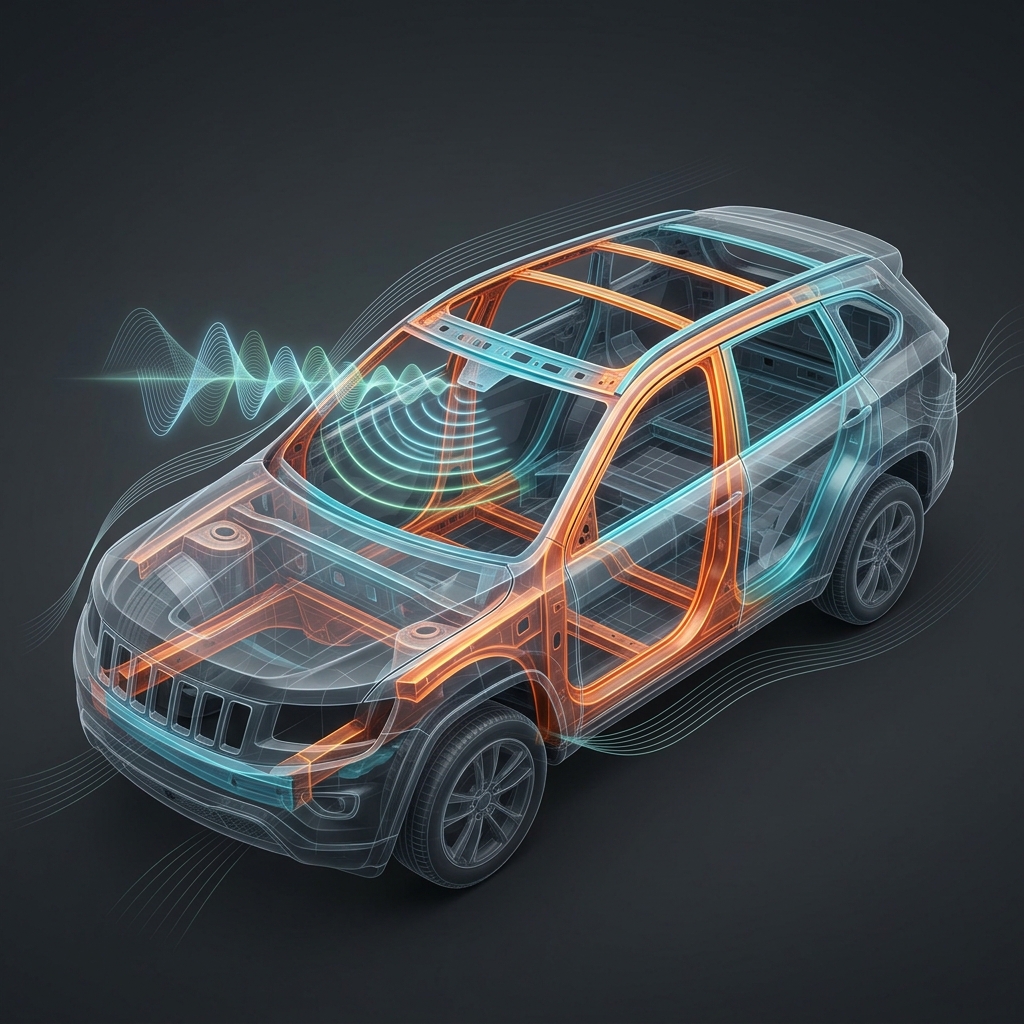
Transparent 3D model of an SUV highlighting its structural safety frame and active sensor wave patterns. (Representative image for illustration purposes only. Actual vehicle may vary based on trim and configuration.)

Test Drive a Top Safety Pick+ Winner Today at Hawk Subaru in Plainfield

At the end of the day, there is no substitute for experiencing Subaru’s advanced safety technology in person. Reading about stereoscopic cameras, Symmetrical All-Wheel Drive, and Ring-Shaped Reinforcement Frames is informative, but feeling how the vehicle responds to the road—and seeing how EyeSight guides you through traffic—will give you the ultimate confidence. At Hawk Subaru, located conveniently on Route 59 in Plainfield, we invite drivers from Naperville, Joliet, and across the Chicago suburbs to visit our state-of-the-art facility to test drive a Top Safety Pick+ winner today. Our knowledgeable team of Subaru safety experts is here to walk you through every standard and available feature, demonstrating how these systems work in real-world scenarios to protect you and your passengers. Whether you are interested in the family-sized Ascent, the versatile Outback, the efficient Forester, or the cutting-edge Crosstrek Hybrid, we have a comprehensive selection of models, trims, and colors to choose from. Let us help you find the perfect safety-rated vehicle to protect you on all your journeys. If you have any questions or would like to schedule a personal demonstration, feel free to Call us at (815) 725-3789 or stop by our dealership to speak with our friendly team. Your safer driving future starts right here at Hawk Subaru.