
Why Clear Visibility Matters for Your Chicago-Area Commute
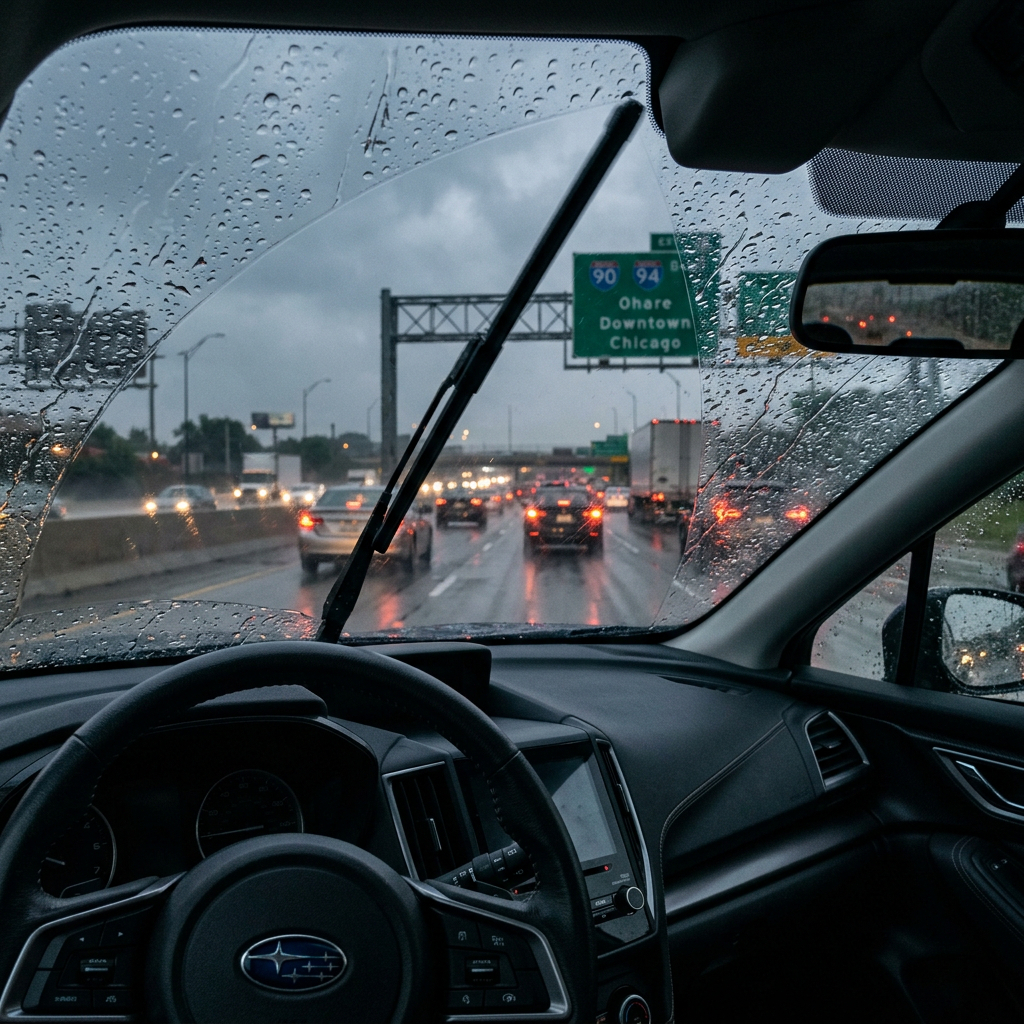
Interior view of a Subaru driving on a wet Chicago highway in the rain, with highway signs visible ahead.

Driving in the greater Chicago metropolitan area is an exercise in preparedness. Navigating busy corridors like Interstate 55, Route 59, or the Reagan Memorial Tollway requires split-second decision-making, exceptional reflexes, and absolute spatial awareness. However, even the most skilled driver is severely compromised if their view of the road is obstructed. Windshield wipers are often treated as an afterthought—an inexpensive accessory rather than the critical safety system they truly are. When a sudden, violent summer thunderstorm rolls across Plainfield and Joliet, bringing torrential downpours that drop visibility to near zero in seconds, your windshield wipers become your single most important line of defense. Ensuring they are in peak operating condition is not just a matter of convenience; it is a fundamental safety requirement.

At Hawk Subaru, we understand that drivers in Northern Illinois experience some of the most diverse and punishing weather conditions in the country. From blinding winter blizzards and spring sleet to humid summer storms and dusty autumn winds, your windshield is constantly subjected to a barrage of elements. To maintain absolute control, you must be able to see clearly through every twist and turn. Subaru vehicles are uniquely engineered for these challenging climates, featuring advanced active safety technologies like the Symmetrical All-Wheel Drive system and the cutting-edge EyeSight Driver Assist technology. However, these systems rely heavily on a clean, unobstructed windshield to function at their best. If your wiper blades are worn, torn, or skipping, they cannot effectively clear rain, road grime, or insects, which can impede both your vision and your vehicle's safety sensors.

This comprehensive guide is designed to answer the critical question:how often should you change wiper blades? We will explore the subtle warning signs of failing wipers, compare different blade technologies, examine how our local Will and DuPage County climates accelerate wear, and provide practical maintenance and installation advice. By understanding the mechanics of your wiper system and adhering to a proactive maintenance schedule, you can ensure that every drive through Naperville, Joliet, and beyond remains safe, clear, and completely stress-free. Let us dive into the technical details and expert recommendations that will keep your vehicle road-ready throughout the year.

Exactly How Often Should You Change Wiper Blades on Your Vehicle?

As a general industry standard, automotive experts recommend replacing your windshield wiper bladesevery 6 to 12 months. However, this interval is highly dependent on several variable factors, including the climate in which you drive, where you park your vehicle, and the specific material composition of the blades themselves. In Northern Illinois, where the seasonal temperature swings are extreme, we strongly advise our customers to inspect their wiper blades at least twice a year—ideally in the spring before the heavy rains arrive, and in the late autumn before the first freeze. This proactive approach prevents you from being caught in a dangerous blizzard or a sudden summer downpour with compromised equipment.

Wiper blades are made from pliable, organic rubber or synthetic silicone compounds that degrade naturally over time. Exposure to ultraviolet (UV) radiation from the summer sun, extreme freezing temperatures in the winter, ozone, and atmospheric pollutants causes the flexible squeegee element to dry out, lose its elasticity, and crack. When this occurs, the blade can no longer maintain uniform pressure against the curved glass of your windshield, resulting in poor clearing performance. Rather than relying strictly on the calendar, it is essential to monitor your vehicle for physical and auditory warning signs that indicate immediate replacement is required.

Key Warning Signs of Wiper Blade Failure:Streaking:This occurs when the rubber squeegee splits, hardens, or collects debris, leaving bands of water across the glass that distort your vision. •Squeaking:A loud, high-pitched noise as the blades sweep across the glass indicates that the rubber has hardened or lost its protective coating, causing excessive friction. •Skipping:If the wiper arm or blade has become warped or bent, the squeegee will lose contact with the glass, skipping over sections and leaving large patches uncleared. •Splitting:Over time, the rubber blade can tear or split away from its metal or plastic backing frame, rendering that portion of the wiper completely useless.

Symptom

Primary Cause

Safety Risk Level

Recommended Action

Fine Streaking

Minor rubber nicks or dirt buildup

Low to Medium

Clean blade with water; replace if streaking persists

Severe Band Streaking

Split or heavily oxidized rubber squeegee

High

Replace wiper blades immediately

Squeaking / Chattering

Hardened rubber or bent wiper arm frame

Medium

Inspect arm tension; replace blades if rubber is rigid

Skipping / Missed Spots

Warped blade frame or loss of blade flexibility

High

Replace wiper blades and inspect arm alignment

Metal Scratching Noise

Complete rubber separation; bare metal frame contact

Critical

Do not use wipers; replace immediately to avoid scratching glass

What Are the Technical Differences Between Beam, Conventional, and Hybrid Wiper Blades?
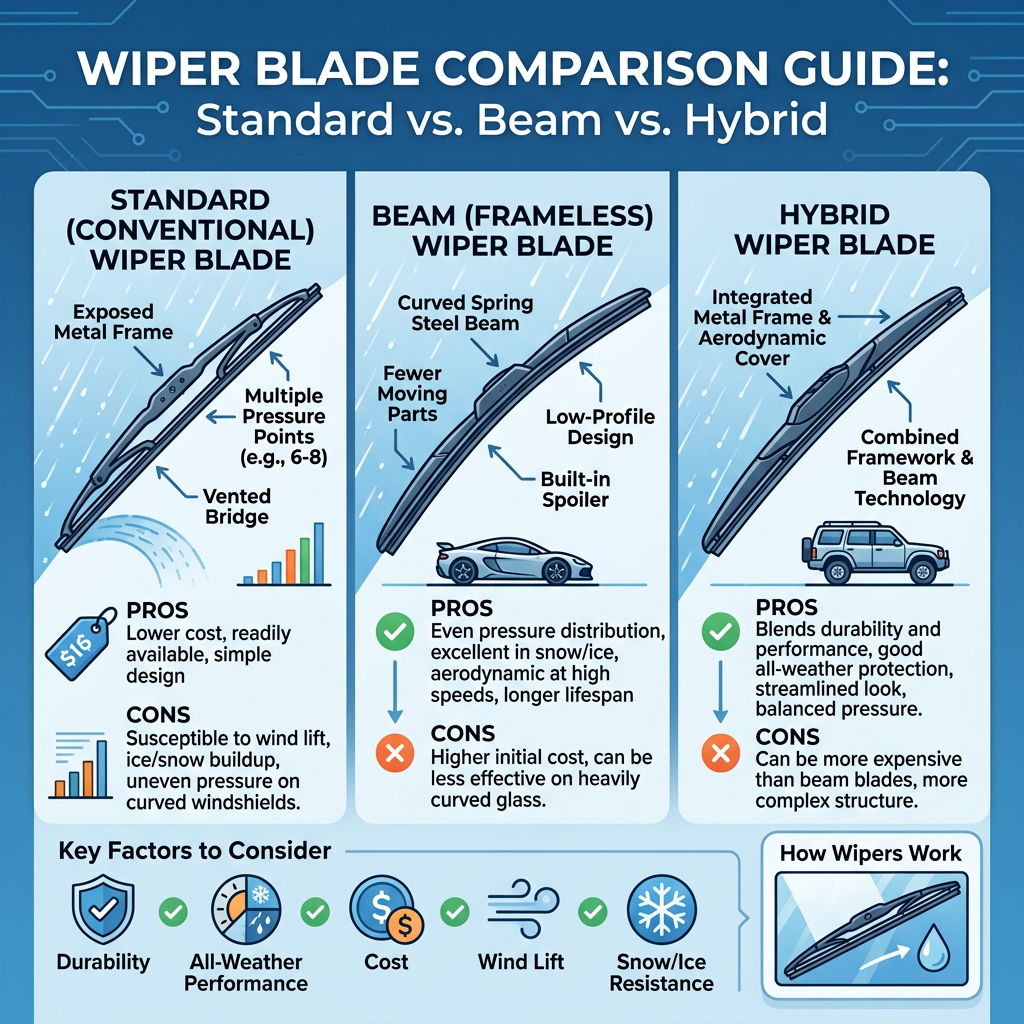
Comparison infographic of Standard, Beam, and Hybrid windshield wiper blades detailing pros, cons, and features.

Conventional Blades

Conventional (or bracket-style) wiper blades have been the automotive standard for decades. They feature a metal framework with articulated linkages that apply pressure to the rubber element at several specific points. While they are highly affordable and effective in mild weather, their open-metal structure is susceptible to ice and snow buildup. In cold Midwest winters, freezing precipitation can clog the brackets, locking the blade in a rigid position and preventing it from conforming to the windshield curvature. This leads to massive missed spots and severe streaks during winter driving.

Beam Blades

Beam (or bracketless) wiper blades represent modern aerodynamic design. Instead of an external metal frame, they utilize a continuous, curved spring-steel band encased inside a durable synthetic rubber shell. This design distributes uniform pressure across the entire length of the blade, resulting in a cleaner, quieter, and more consistent wipe. Because they lack exposed hinges and brackets, they are virtually immune to snow and ice packing, making them the superior choice for Illinois winters. Their low profile also reduces wind lift at highway speeds.

Hybrid Blades

Hybrid wiper blades combine the robust, multiple-pressure-point mechanism of a conventional blade with the streamlined, weather-resistant cover of a beam blade. They feature a sturdy internal frame wrapped in an aerodynamic plastic or rubber outer shell that shields the mechanical linkages from snow, ice, dirt, and wind. Hybrid blades provide the heavy-duty wiping force required to clear stubborn mud, insects, and road grime, while still offering exceptional performance during the freezing winter months, making them a highly versatile all-season option.

What Is the Benefit of a Silicone Wiper Blade Over Traditional Rubber?

While natural rubber and synthetic rubber blends remain the most common materials used in standard wiper blades, synthetic silicone has emerged as a premium alternative that offers massive performance advantages. The primary benefit of a silicone wiper blade is its incredible longevity. Silicone is exceptionally resilient and highly resistant to environmental degradation. Unlike organic rubber, which degrades quickly under constant UV exposure, heat, and ozone, silicone can withstand prolonged exposure to the intense summer sun without cracking, drying out, or becoming brittle. In fact, premium silicone blades typically last up to two to three times longer than standard rubber blades, making them a highly cost-effective investment over the life of your vehicle.

In addition to their outstanding durability, silicone blades possess unique hydrophobic properties. As the silicone squeegee sweeps across your windshield, it deposits an invisible, water-repelling barrier directly onto the glass. This microscopic coating causes rainwater to bead up and roll off the windshield effortlessly, often allowing gravity and wind to clear the glass even before the wipers make a pass. This hydrophobic effect significantly improves visibility during heavy downpours, reduces friction between the blade and the windshield, and minimizes annoying squeaks or chattering noises. For drivers who frequently travel through Naperville, Plainfield, and surrounding areas, silicone blades provide consistent, crystal-clear vision in the face of unpredictable weather.

Furthermore, silicone remains highly pliable across a massive temperature spectrum. It does not harden in sub-zero winter temperatures, nor does it soften or warp during scorching summer afternoons. This structural stability ensures that the wiper blade maintains its perfect shape and uniform contact with your windshield year-round, preventing the skipping and smearing commonly associated with temperature-compromised rubber. If you are looking to upgrade your vehicle's wiping system to a set of premium, high-performance blades, we encourage you to contact the experts at our specializedParts Center. Our knowledgeable team can help you select the perfect silicone blades specifically designed for your Subaru model, ensuring a flawless fit and unparalleled all-weather clarity.

Don't Forget the Back Window: How Often Should Rear Wiper Blades Be Replaced?
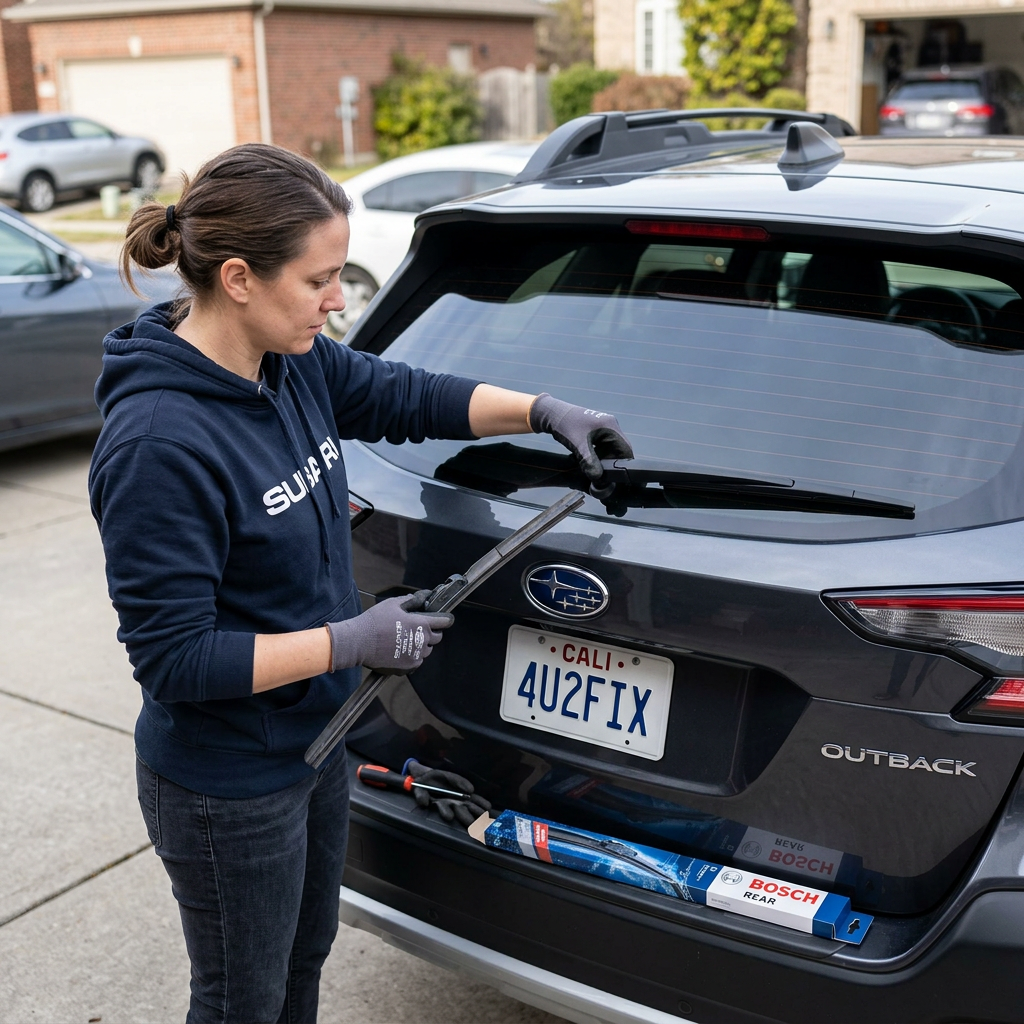
While drivers are quick to notice when their front windshield wipers are failing, the rear wiper blade is frequently overlooked until a critical situation arises. If you drive a versatile hatchback, crossover, or SUV—such as the adventure-ready Subaru Outback, Forester, Crosstrek, or the spacious three-row Ascent—your vehicle is equipped with a rear wiper system designed to keep your rearward visibility clear. Because of the aerodynamic profile of SUVs and hatchbacks, a low-pressure pocket of air forms behind the vehicle as you drive. This vacuum effect sucks up road grime, mud, fine dust, and, most destructively, highly corrosive highway salt spray directly onto your rear window. Without a functioning rear wiper, this thick layer of debris can completely block your rearward line of sight, making backing up or changing lanes on busy local roads incredibly hazardous.

A common misconception is that because the rear wiper is used less frequently than the front wipers, it does not need to be replaced as often. In reality, the rear wiper blade is subjected to the exact same environmental hazards as the front wipers, and in some cases, even worse. The rear window is exposed to intense, direct sunlight, which bakes the rubber element and causes it to dry out, warp, and crack. Furthermore, because the rear wiper is used less, dirt and abrasive road salt can settle deep into the rubber squeegee, grinding against the glass and tearing the delicate edge the next time you activate the switch. To maintain absolute safety, we recommend replacing your rear wiper bladeat least once every 12 months, or immediately upon noticing any streaking, skipping, or torn rubber.

A woman wearing gloves replaces the rear windshield wiper blade on a grey Subaru Outback in a driveway.

Are There Heated Wiper Blades Available for Cold Illinois Climates?

For drivers who must regularly brave the bitter cold, ice storms, and heavy lake-effect snow of Northern Illinois, heated wiper blades represent an intriguing and highly advanced technology. Heated wiper blades feature a built-in heating element laminated directly within the silicone or synthetic rubber structure of the blade. When activated, these elements heat up to temperatures of 130 to 140 degrees Fahrenheit. This concentrated heat prevents freezing precipitation from adhering to the blade itself, eliminating the common and frustrating problem of ice building up on the wiper frame and squeegee. By keeping the wiping element warm and pliable, heated wipers ensure that they can conform perfectly to your windshield, melting away frost, sleet, and packed snow on contact without leaving heavy streaks or icy patches.

While heated wiper blades offer undeniable safety benefits in extreme winter conditions, they do require a more complex installation process than standard blades. Because they require electrical power to operate, heated wiper systems must be wired directly into your vehicle's 12V electrical system. This usually involves running insulated wiring from the wiper arms, through the firewall, and connecting them to a dedicated switch or integration module inside the cabin. Additionally, because of their specialized internal heating components and robust construction, heated wiper blades are significantly more expensive than premium standard beam or silicone blades. For most drivers, high-quality, winter-specific rubber blades or premium beam blades—combined with your Subaru's built-in windshield wiper de-icer grid (available on many Subaru trim levels)—provide exceptional winter performance without the need for complex aftermarket wiring.

If you are considering upgrading to a heavy-duty winter wiper setup or want to ensure your Subaru's factory windshield de-icer system is functioning perfectly before the winter weather hits, the certified technicians at Hawk Subaru are here to help. We can inspect your vehicle's electrical heating grids, test your wiper motor, and recommend the absolute best blade configuration for your specific driving habits. Ensuring your vehicle is prepared for the harsh seasonal shifts is the best way to guarantee peace of mind on every journey.

Should I Pull My Wipers Up When It Snows in Plainfield?

Walk through any residential driveway or commercial parking lot in Plainfield or Joliet during a winter storm, and you will undoubtedly see dozens of vehicles with their windshield wiper arms pulled straight up into the air. This common winter practice has sparked a fierce debate among automotive enthusiasts and mechanical engineers alike. The primary argument in favor of lifting your wiper arms is straightforward: it prevents the delicate rubber squeegee elements from freezing directly to the cold glass of your windshield. When wipers freeze to the glass, attempting to turn them on or forcibly pulling them free can easily tear the rubber edge, rendering the blades useless. Lifting them also makes clearing snow and scraping ice off the windshield significantly easier, as you do not have to work around the delicate wiper arms.

However, many automotive engineers warn that leaving your wipers raised can cause serious, expensive mechanical damage. Windshield wiper arms are spring-loaded to ensure they exert constant, firm pressure against the windshield at highway speeds. Leaving the arms fully extended for prolonged periods can stretch and weaken these tension springs over time. Once these springs lose their tension, the wiper arm will no longer hold the blade firmly against the glass, resulting in poor wiping, severe streaking, and skipped spots. Additionally, in areas prone to high, gusting winds, a strong gust can catch the raised wiper arm and slam it back down onto the glass with immense force. If the rubber blade has slid off or if the impact is violent enough, the bare metal wiper arm can easily crack or shatter your expensive windshield.

Blue Subaru Outback covered in snow in a Vermont parking lot with a SNOW AWD license plate and raised wipers.

The Expert Recommendation:Instead of pulling your wipers up, leave them in their normal position and utilize a heavy-duty windshield cover, or place protective sleeves over the blades. Alternatively, simply allow your vehicle's defroster system or the factory Subaru windshield wiper de-icer grid to completely melt the ice around the blades before activating them. This protects both your wiper tension springs and your windshield glass from accidental damage.

Is It Okay to Use Vinegar to Clean Wiper Blades for Extra Life?

In the world of DIY car maintenance, there are countless hacks and home remedies designed to extend the lifespan of common wear items. One of the most popular suggestions is using white vinegar to clean and restore old, streaky windshield wiper blades. The logic behind this method is that the mild acetic acid in vinegar is highly effective at dissolving stubborn road film, tree sap, bug splatters, and oxidized rubber that build up on the edge of the squeegee over time. To perform this hack, drivers are instructed to soak a clean microfiber cloth in white vinegar and wipe it firmly along the length of the rubber element until the cloth no longer pulls off black residue.

While cleaning your wiper blades with vinegar can provide a temporary improvement in clearing performance by stripping away built-up dirt and oxidation, it is not a long-term solution and carries significant risks. Vinegar is an acid, and while it is relatively mild, repeated exposure to acid can accelerate the chemical breakdown of natural rubber, causing it to dry out, lose its flexibility, and crack prematurely. Furthermore, modern wiper blades are manufactured with a specialized, low-friction graphite or Teflon coating on the outer edge of the squeegee. This microscopic coating is designed to help the blade glide smoothly and quietly across the glass. Using harsh chemicals like vinegar or rubbing alcohol can strip away this protective coating, resulting in severe squeaking, chattering, and friction-induced skipping.

A Safer and More Effective Alternative:Instead of using vinegar or harsh solvents, the safest way to clean your wiper blades is to use a clean microfiber cloth dampened with warm, soapy water (using a mild car wash soap). Gently wipe the edge of the rubber squeegee to remove loose dirt, dust, and pollen. Once clean, wipe the blade dry and apply a thin layer of silicone lubricant or a dedicated rubber protectant to help keep the material soft and pliable. However, if the rubber is physically split, cracked, or hardened, no amount of cleaning will restore its performance. At that stage, the safest and most reliable course of action is to have your blades replaced professionally. If your wipers are leaving streaks and you want a professional inspection, we invite you toSchedule Your Service Todaywith our expert team.

Is It Difficult to Install Windshield Wiper Blades Yourself?
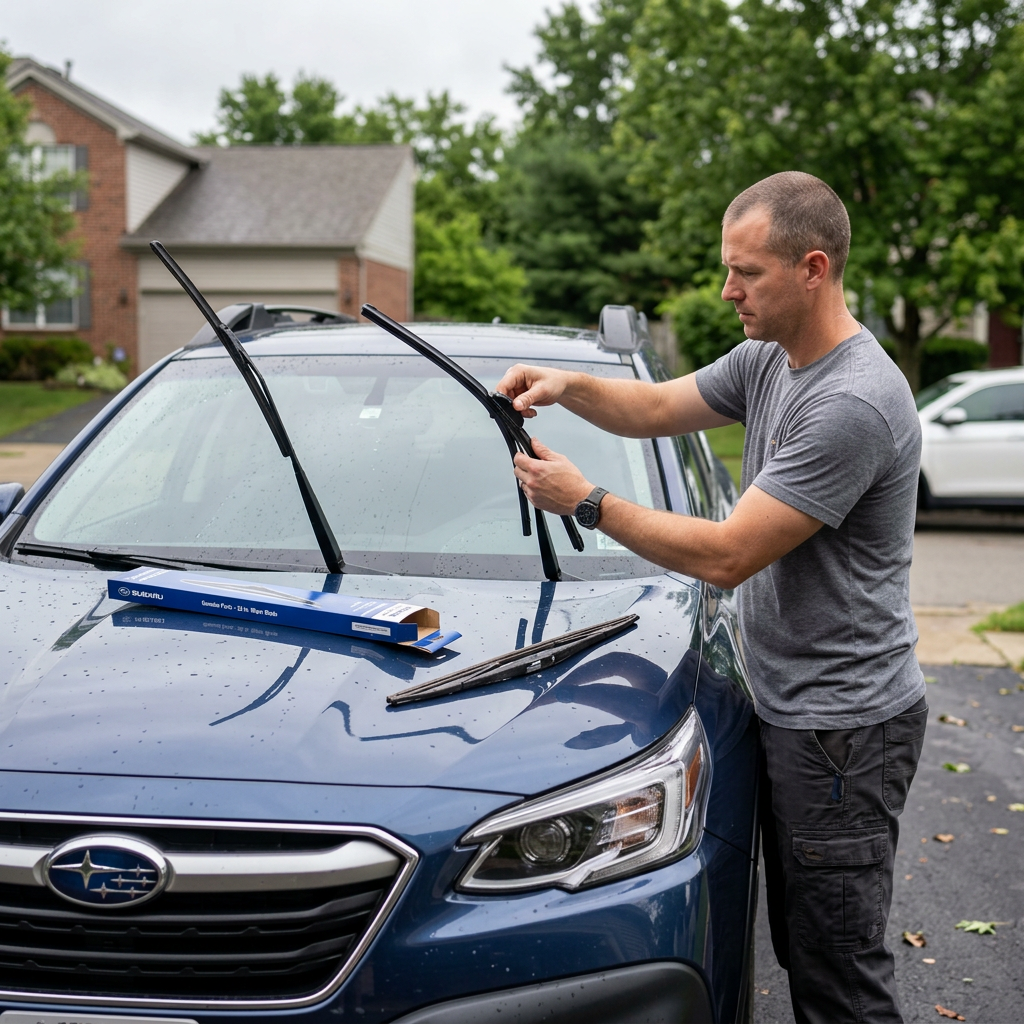
A man replacing the windshield wiper blade on a blue Subaru SUV parked in a driveway.

1. Identify the Connector Type

Before purchasing new blades, you must determine how they attach to your vehicle's wiper arms. While the classic J-Hook connector is highly common on older models, modern vehicles—especially newer Subaru models—utilize specialized connection systems like the Pinch-Tab, Push-Button, or Side-Pin. Purchasing a generic blade with the wrong adapter can result in a loose fit, leading to the blade flying off at highway speeds. Always consult your owner's manual or speak with a parts specialist to ensure complete compatibility.

2. Protect Your Windshield Glass

This is the single most critical step in the entire DIY installation process. Once you remove the old wiper blade, you are left with a bare, spring-loaded metal wiper arm pointing directly at your glass. If that metal arm accidentally slips out of your hand, the tension spring will snap it back down onto your windshield with incredible velocity, instantly cracking or shattering the expensive glass. Always place a thick, folded bath towel directly over the windshield glass underneath the wiper arm to cushion any accidental impacts.

3. Align, Click, and Test

Carefully remove the old blade by pressing the release tab on the connector and sliding it out of the arm hook. Align the adapter of the new blade with the wiper arm attachment point and push it firmly until you hear a distinct, positive 'click' sound. This click confirms that the locking tab is fully engaged. Once installed, gently tug on the blade to ensure it is locked in place. Remove the protective towel, carefully lower the wiper arm back onto the glass, and run a quick test cycle with windshield washer fluid to ensure flawless operation.

Do Dealerships Offer Free Wiper Blade Installation?

For many drivers, the prospect of researching correct wiper blade lengths, purchasing the proper connectors, and risking windshield damage during a DIY installation is a hassle they would rather avoid. Fortunately, choosing to service your vehicle at a professional dealership like Hawk Subaru completely eliminates these worries. To make maintaining your vehicle as convenient and stress-free as possible, we are proud to offercomplimentary wiper blade installationwith the purchase of any set of genuine OEM windshield wiper blades from our Parts Department. This means you only pay for the high-quality parts themselves, while our certified technicians handle the installation entirely free of charge.

Choosing genuine OEM (Original Equipment Manufacturer) wiper blades over generic aftermarket alternatives is highly recommended, especially for Subaru owners. OEM Subaru wiper blades are precision-engineered to match the exact curvature of your vehicle's windshield glass, guaranteeing uniform pressure and streak-free clearing. They are constructed from premium materials designed to withstand the harsh climates of Northern Illinois, offering superior longevity and whispering-quiet operation. Furthermore, our certified technicians are intimately familiar with all Subaru models, ensuring that the installation is performed flawlessly without any risk of damaging the delicate wiper arm linkage or scratching your windshield.

Additionally, having your wiper blades installed at Hawk Subaru provides an extra layer of safety for vehicles equipped with the advancedSubaru EyeSight Driver Assist Technology. The EyeSight system utilizes dual color cameras mounted inside the cabin near the rearview mirror to monitor traffic, recognize road lines, and detect obstacles. If your wiper blades are leaving streaks, smears, or water bands directly in front of these cameras, the system can become temporarily disabled or function with reduced accuracy. Our technicians understand the precise clearance zones required by EyeSight and will ensure your new blades keep the critical camera viewing fields perfectly clean. While your vehicle is in our service bay, we will also perform a complimentary multi-point inspection to ensure your washer fluid is topped off, your battery is healthy, and your tires are ready for the road.

How the Changing Seasons in Joliet and Naperville Wear Down Your Wipers
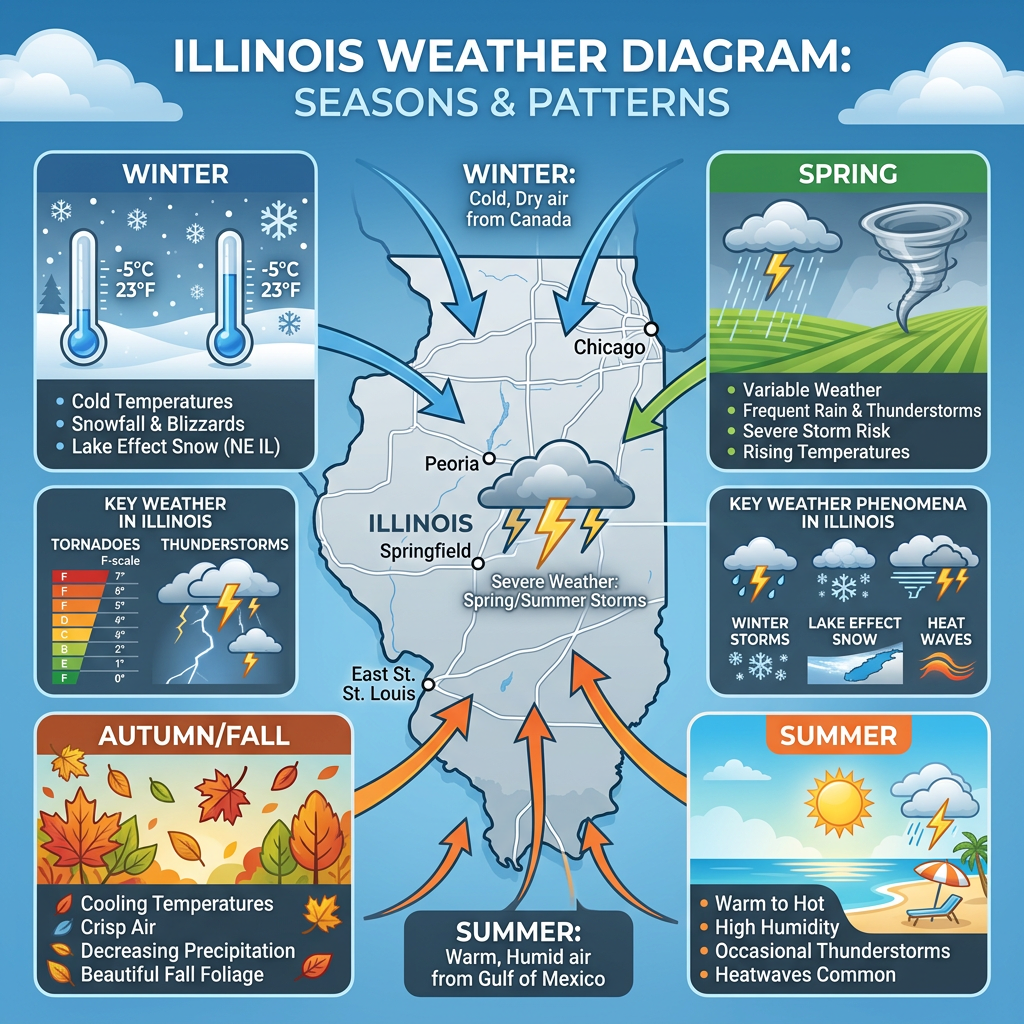
Infographic showing seasonal weather patterns, key phenomena, and air masses affecting Illinois throughout the year.

Living in Will and DuPage counties means experiencing the full, dramatic cycle of the four seasons. While this brings beautiful autumn colors and snowy winter wonderlands, it also creates an exceptionally harsh and punishing environment for your vehicle's windshield wipers. Each season presents a unique set of challenges that accelerate the physical wear and chemical breakdown of your wiper blades, making regular inspections and timely replacements absolutely critical to your safety.

Summer (The Current Season):During the hot, humid summer months in Joliet and Naperville, the primary enemy of your wiper blades is intense solar radiation. Ultraviolet (UV) rays from the sun bake the rubber elements, stripping away their natural oils and moisture. This process, known as oxidation, causes the rubber to become dry, rigid, and highly brittle. When you activate your wipers during a sudden summer storm, the hardened rubber cannot flex properly, resulting in severe chattering, squeaking, and missed spots. Summer also brings sticky tree sap, heavy pollen coatings, and hard-shelled insect impacts that can nick and tear the delicate edge of the squeegee.

Autumn:As the leaves begin to fall, organic debris, pine needles, and decomposing leaves can collect at the base of your windshield, settling directly under and around your wiper blades. If these materials are not cleared away regularly, they can trap moisture against the rubber, promoting mold growth and accelerating rot. Additionally, as autumn temperatures begin to plummet at night, the rapid contraction of the rubber elements can cause existing microscopic cracks to split open, leading to sudden failure during the first cold rain of the season.

Winter:Winter is arguably the most destructive season for windshield wipers in Northern Illinois. Freezing temperatures cause the rubber to stiffen significantly, making it highly susceptible to splitting upon impact with frost or ice. Attempting to clear heavy snow or scrape ice off your windshield using your wiper blades is a guaranteed way to strip and tear the squeegee element. Furthermore, local road salt and chemical de-icers sprayed onto the highway are highly corrosive. When this salt-laden slush dries on your windshield, it leaves behind a sharp, abrasive crust that acts like sandpaper, grinding down the fine wiping edge of your blades every time they sweep.

Spring:The arrival of spring brings relief from the freezing cold, but it also brings heavy, persistent rain showers and an abundance of sticky tree pollen. Pollen and atmospheric dust combine with moisture to form a thick, greasy film on your windshield that can clog the micro-pores of your rubber squeegees. This leads to heavy smearing, where the wipers simply push a dirty film across your field of view rather than clearing the water away. By understanding how these seasonal changes constantly work to degrade your wipers, you can see why waiting for complete failure is a dangerous strategy. Regular, proactive replacement ensures your vehicle is always prepared for whatever the Midwest skies throw your way.

Get Road-Ready with OEM Wiper Blades from Hawk Subaru in Plainfield

Your safety on the road is our absolute highest priority at Hawk Subaru. Now that you understandhow often should you change wiper bladesand the critical role they play in maintaining visibility and driver-assist safety systems, we invite you to take action. Do not wait for a sudden, torrential downpour or a blinding winter snowstorm to discover that your wiper blades are dry, cracked, or leaving dangerous streaks across your windshield. Keeping your vehicle prepared is the single best way to ensure every drive remains safe, secure, and completely stress-free for you and your passengers.

Whether you are looking for high-quality, factory-spec OEM rubber replacements or want to upgrade to premium, long-lasting silicone beam blades, our fully stocked Parts Center has exactly what you need. Our team can quickly verify your vehicle's correct blade sizes and connection styles, ensuring a perfect fit and flawless performance. Plus, when you purchase your genuine wiper blades from us, our certified technicians will gladly install them on your vehicle completely free of charge, saving you time, hassle, and the risk of windshield damage. If you are experiencing other vehicle issues or want to explore our extensive inventory of vehicles, we also offer convenient tools to help youValue Your Trade-Inor check your financial options by choosing toGet Pre-Approved for Financingonline.

Conveniently located at 2401 Route 59 in Plainfield, IL 60586, we are proudly serving drivers throughout Joliet, Naperville, and the surrounding Will and DuPage County communities. You can easilyGet Directions to Hawk Subaruand visit our modern showroom, or simplyCall us at (815) 725-3789to speak directly with our friendly service and parts consultants. If you are in the market for a highly capable, Symmetrical All-Wheel Drive vehicle designed to master the challenging Northern Illinois winters, feel free to explore our outstanding selection of vehicles by choosing toBrowse New InventoryorBrowse Used Inventoryonline. Let Hawk Subaru help you keep your view of the road crystal clear—visit us today!