Compare your most-shopped models head to head to find your perfect match
When you are in the market for a new vehicle, the sheer volume of choices can feel overwhelming. Every manufacturer claims to offer the most advanced safety, the most spacious cabin, and the most efficient powertrain. To cut through the marketing noise, smart buyers turn to side-by-side, head-to-head comparisons. Evaluating vehicles on a level playing field is the only way to expose the subtle differences that impact your daily driving experience. At Hawk Subaru in Plainfield, we believe that an educated buyer is a happy owner. That is why we encourage cross-shopping popular brands and examining key specs, dimensions, and real-world performance.
Northeastern Illinois presents a unique set of driving challenges, from congested highway commutes to harsh Midwestern winters. A vehicle that excels in a climate-controlled laboratory might fall short when navigating a sudden January blizzard on Route 59. By comparing critical performance metrics—such as drivetrain configuration, ground clearance, active safety systems, and heating capabilities—you can identify which model will truly support your lifestyle. This comprehensive guide is designed to help you analyze your top options with analytical precision, ensuring you invest in a vehicle that meets both your practical needs and your budget.
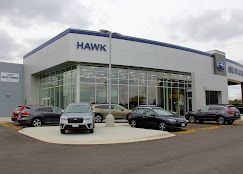
Hawk Subaru, located conveniently in Plainfield, serves as your trusted educational resource. Whether you are cross-shopping compact SUVs, exploring midsize family crossovers, or contemplating your first fully electric vehicle, our goal is to provide objective, data-driven insights. We understand that purchasing a vehicle is one of the most significant financial decisions you will make. By taking the time to compare your most-shopped models head to head, you can move forward with absolute confidence, knowing your final selection is backed by hard facts and real-world testing.
What are the most-shopped new vehicles in 2026 that shoppers commonly compare head to head?
The automotive landscape in 2026 is defined by unprecedented diversity and intense competition. Shoppers are no longer limited to choosing between standard gas-powered sedans and heavy trucks. Instead, the market has pivoted heavily toward highly versatile segments. Compact SUVs and midsize crossovers have become the default choice for families and commuters alike. These vehicles offer the elevated ride height and cargo flexibility of traditional SUVs, but with the fuel efficiency and composed road manners of modern car platforms.
In addition to traditional internal combustion engines, hybrid, plug-in hybrid (PHEV), and battery-electric vehicles (BEVs) are now central to the cross-shopping process. Buyers are increasingly comparing traditional segment stalwarts directly against these electrified alternatives. This shifts the comparison parameters beyond simple horsepower and interior volume to include battery charging speeds, thermal management systems, and battery degradation projections over time.
For drivers in northeastern Illinois, geographic and climatic realities heavily influence which segments are most popular. The Chicago metropolitan area experiences hot, humid summers and freezing, snowy winters. Consequently, vehicles equipped with advanced all-weather capabilities are highly sought after. Shoppers frequently seek out models featuring all-wheel drive, robust traction management systems, and cold-weather packages that include heated seats, heated steering wheels, and windshield wiper de-icers.
This regional demand makes the head-to-head comparison process even more critical. A front-wheel-drive crossover might offer attractive pricing and excellent fuel economy on paper, but it may struggle during a heavy snowstorm on the daily commute. By focusing on the most-shopped vehicle segments, buyers can carefully weigh the trade-offs between initial cost, year-round capability, fuel efficiency, and long-term utility to find the absolute best match for their specific driving habits.
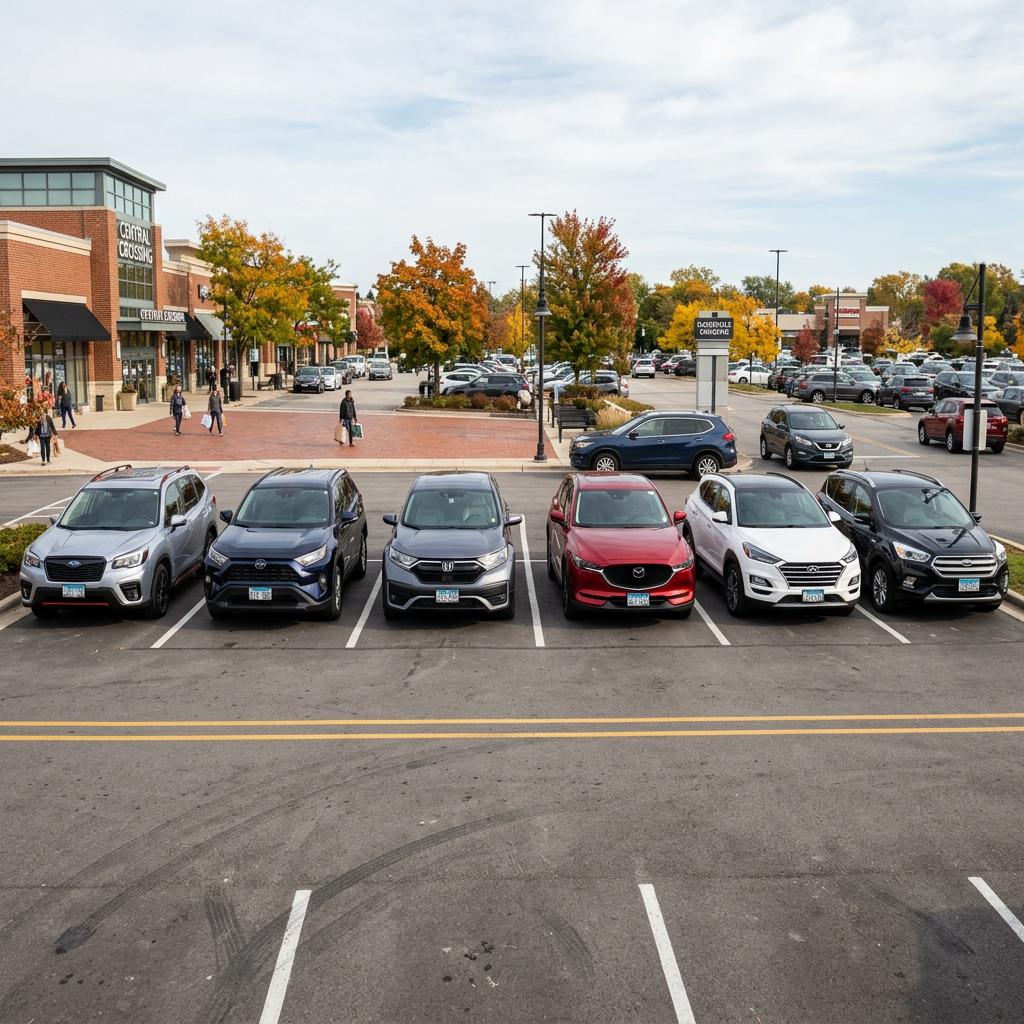
What are the key differences in specs and features when you compare popular compact SUVs like the Toyota RAV4 and Honda CR‑V head to head?
Toyota RAV4
The Toyota RAV4 is a long-standing segment leader, known for its rugged exterior styling, robust hybrid options, and strong resale value. Powered by a standard 2.5-liter four-cylinder engine paired with an 8-speed automatic transmission, the RAV4 delivers predictable power. While its cargo capacity is generous, some drivers note that the cabin engine noise can become prominent under heavy acceleration. The interior layout is highly functional, featuring physical knobs and durable materials designed to withstand daily wear and tear.
Honda CR-V
The Honda CR-V takes a more car-like approach, emphasizing cabin refinement, smooth ride quality, and class-leading cargo space. Utilizing a 1.5-liter turbocharged engine mated to a Continuously Variable Transmission (CVT), the CR-V offers a linear power delivery. The rear seats fold almost completely flat, opening up a cavernous cargo hold that is highly practical for moving large items. The dashboard design is clean and modern, featuring an elegant metal mesh accent and an intuitive touchscreen infotainment setup.
Subaru Forester Alternative
The Subaru Forester distinguishes itself by offering standard Symmetrical All-Wheel Drive across all trim levels, coupled with exceptional outward visibility due to its upright, boxy greenhouse design. Powered by a 2.5-liter Subaru BOXER® engine, it delivers power to all four wheels continuously, providing superior traction on slippery surfaces. With 8.7 inches of standard ground clearance, it easily outclears many competitors, making it a highly practical choice for adventurous drivers and harsh winters.
|
Specification
|
Subaru Forester
|
Toyota RAV4
|
Honda CR-V
|
|
Standard AWD
|
Yes (Symmetrical AWD)
|
No (Available option)
|
No (Available option)
|
|
Ground Clearance
|
8.7 inches
|
8.1 to 8.6 inches
|
7.8 to 8.2 inches
|
|
Max Cargo Volume
|
74.2 cubic feet
|
69.8 cubic feet
|
76.5 cubic feet
|
|
Base Engine
|
2.5L BOXER 4-Cyl
|
2.5L 4-Cyl
|
1.5L Turbocharged 4-Cyl
|
|
Passenger Volume
|
111.6 cubic feet
|
98.9 cubic feet
|
103.5 cubic feet
|
When we analyze these specifications side-by-side, we see distinct design philosophies. The Honda CR-V maximizes total cargo volume, making it highly effective for hauling bulky gear. However, the Subaru Forester offers substantially more passenger volume (112 cubic feet vs 98.9 in the RAV4 and 103.5 in the CR-V), translating to a much airier cabin with superior legroom and headroom for both front and rear passengers. Additionally, the Forester's standard 8.7 inches of ground clearance and standard Symmetrical AWD provide a clear mechanical advantage for managing unplowed roads or rugged trails without requiring an expensive trim upgrade.
When comparing your most-shopped compact SUVs head to head, what key safety and driver-assistance features should you look for?
Safety technology is one of the fastest-evolving aspects of modern vehicles. When comparing active safety suites head-to-head, it is crucial to look beyond the acronyms and understand how these systems operate in real-world scenarios. Standard suites like Subaru EyeSight®, Toyota Safety Sense (TSS), and Honda Sensing® utilize advanced cameras and radar sensors to monitor the road ahead, detect potential hazards, and intervene to prevent or mitigate collisions.
For instance, Subaru EyeSight uses dual color cameras mounted high behind the windshield. This placement mimics human binocular vision, allowing the system to accurately judge distance and speed of obstacles before initiating pre-collision braking. Conversely, systems like TSS and Honda Sensing typically rely on a single camera paired with a radar sensor in the front grille. While highly effective, grille-mounted sensors are more vulnerable to being blocked by heavy snow, slush, or road debris during messy Illinois winters.
When navigating busy local routes such as Route 59 or merging onto I-55 during rush hour, features like Lane Keep Assist, Adaptive Cruise Control with lane centering, and Blind-Spot Detection are invaluable. They reduce driver fatigue and act as an extra set of eyes. It is also important to check the crash-test ratings from independent agencies like the Insurance Institute for Highway Safety (IIHS) and the National Highway Traffic Safety Administration (NHTSA), paying close attention to side-impact protection and headlight effectiveness.
By prioritizing a vehicle with a proven, robust safety system, you ensure maximum protection for your family. If you are ready to explore models designed with safety at their core, we invite you to view our highly rated vehicles. You canBrowse New Inventoryonline to find models equipped with the latest generation of safety technology.
What specs and features should shoppers compare first when looking at the most-shopped electric SUVs like Tesla Model Y, Hyundai Ioniq 5, and Ford Mustang Mach‑E?
Transitioning to a fully electric vehicle involves evaluating a completely different set of specifications. When comparing models like the Tesla Model Y, Hyundai Ioniq 5, and Ford Mustang Mach-E head to head, traditional metrics like engine displacement are replaced by battery capacity, charging architecture, and thermal efficiency. Let us break down how these modern electric crossovers stack up against each other and how they compare to electric options like the Subaru Solterra.
Tesla Model Y
The Tesla Model Y remains a popular choice due to its access to the expansive Supercharger network, efficient packaging, and high EPA-estimated range numbers. However, it features a firm ride quality that can transmit road imperfections directly into the cabin. Its minimalistic interior routes almost all controls—including windshield wipers and glovebox release—through a central touchscreen, which can be distracting for some drivers while on the move.
Hyundai Ioniq 5
The Hyundai Ioniq 5 stands out with its ultra-fast 800-volt charging architecture, allowing it to charge from 10% to 80% in just 18 minutes under ideal conditions. It boasts retro-futuristic styling and a highly flexible, lounge-like cabin. However, its real-world highway range can fall short of EPA estimates, and the lack of a standard rear wiper on older models has been a noted inconvenience in wet or snowy weather.
Subaru Solterra
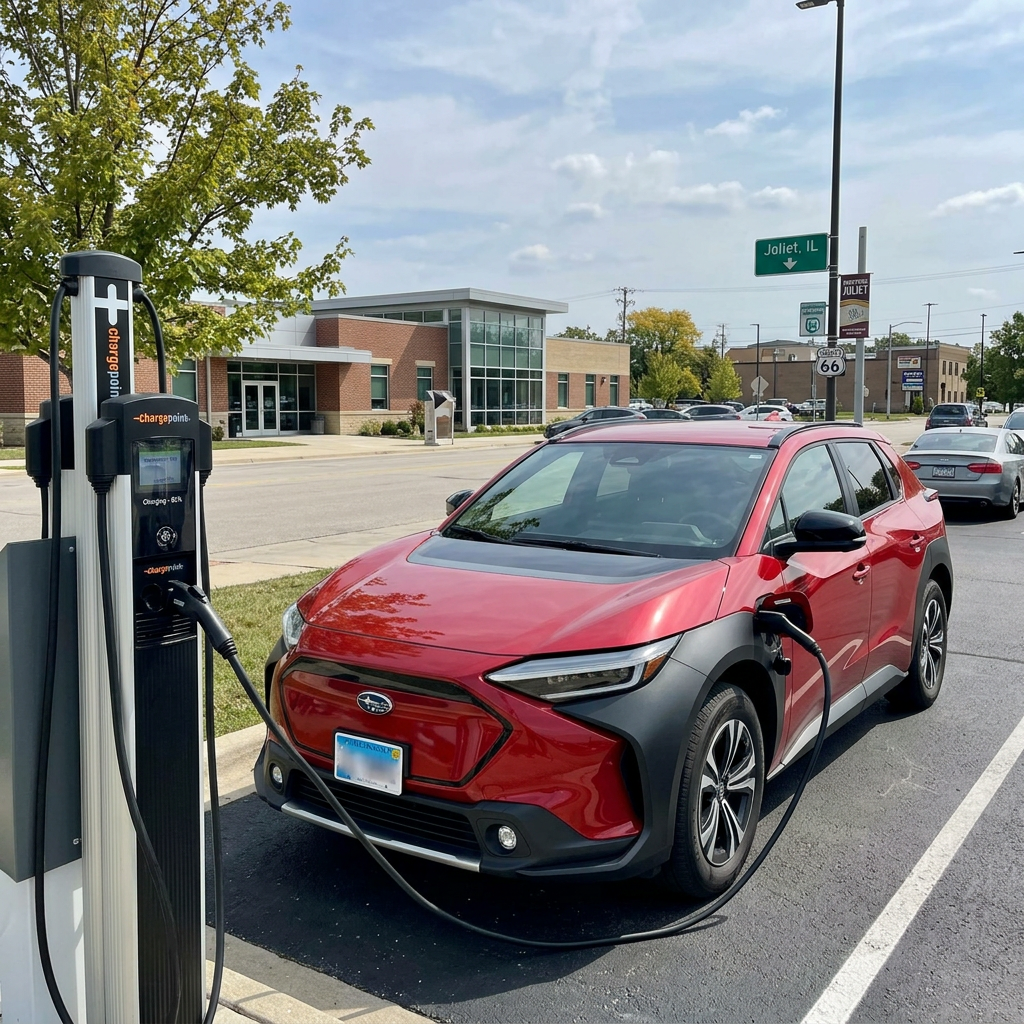
The Subaru Solterra approaches the EV market with a focus on off-road capability and everyday durability. It features standard Symmetrical All-Wheel Drive, a generous 8.3 inches of ground clearance, and Dual-Function X-MODE® with Snow/Dirt and Deep Snow/Mud settings. While its maximum range of 227 miles is lower than some competitors, its rugged construction and familiar interior layout appeal to traditional SUV drivers.
|
EV Metric
|
Subaru Solterra
|
Tesla Model Y
|
Hyundai Ioniq 5
|
Ford Mach-E
|
|
EPA Est. Max Range
|
227 miles
|
320 miles
|
303 miles
|
320 miles
|
|
Drivetrain
|
AWD (Standard)
|
RWD / AWD
|
RWD / AWD
|
RWD / AWD
|
|
DC Fast Charge Time
|
~35 minutes
|
~25 minutes
|
~18 minutes
|
~32 minutes
|
|
Ground Clearance
|
8.3 inches
|
6.6 inches
|
6.1 inches
|
5.7 inches
|
|
Battery Warranty
|
8 yrs / 100k miles
|
8 yrs / 100k-120k mi
|
10 yrs / 100k miles
|
8 yrs / 100k miles
|
For drivers in the Chicago metropolitan area, cold-weather performance is an essential comparison factor. Electric vehicles naturally experience a drop in driving range when temperatures plunge, as the battery must work harder to heat the cabin and maintain its optimal operating temperature. When comparing these electric SUVs, look for models equipped with a standard heat pump, which is far more efficient than resistive heating systems. Additionally, active battery preconditioning—a feature that warms the battery pack prior to fast charging—is critical for maintaining fast charging speeds during freezing Will County winters.
How do top-selling family crossovers like the Subaru Forester and Outback match up for Illinois drivers?
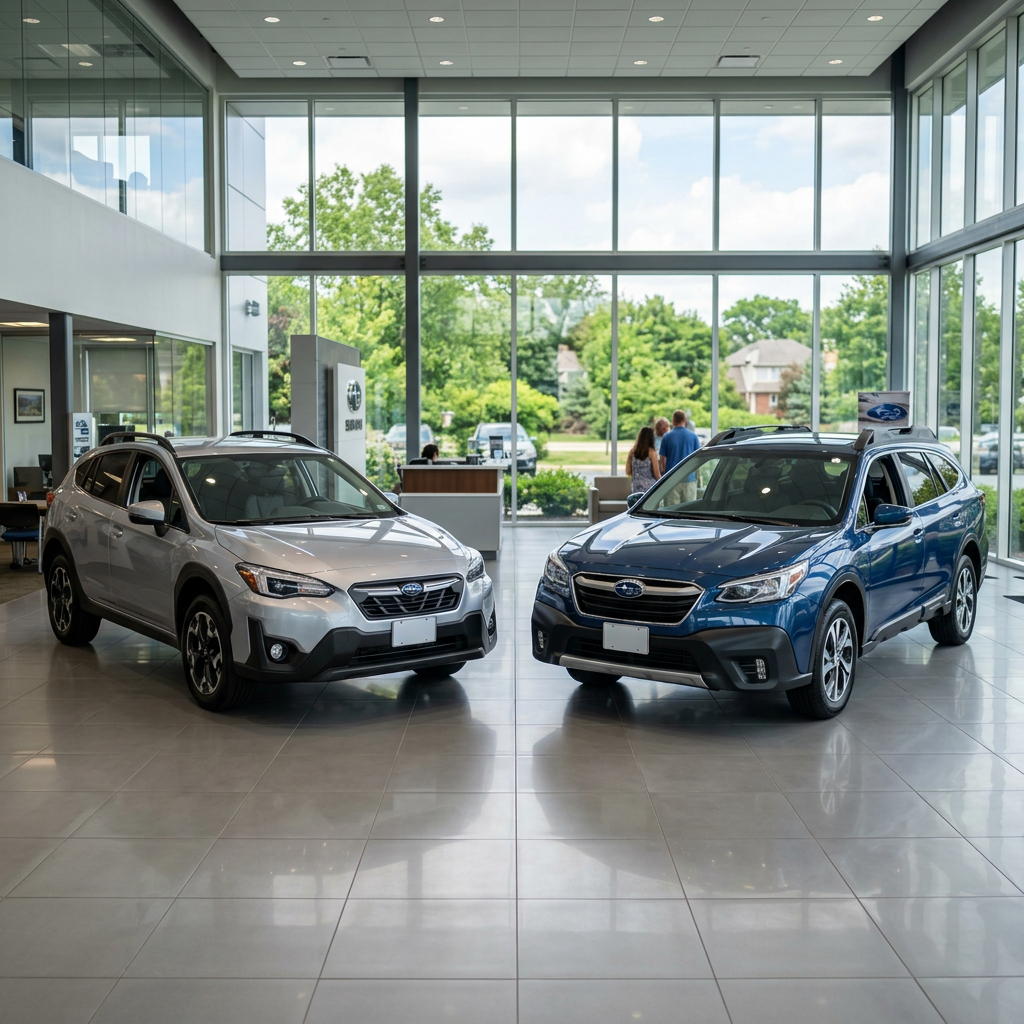
Even within a single brand, choosing the right vehicle requires a careful side-by-side comparison. Two of the most-shopped models in Illinois are the Subaru Forester and the Subaru Outback. While both share standard Symmetrical All-Wheel Drive, impressive safety ratings, and 8.7 inches of ground clearance, they cater to slightly different driving preferences and lifestyles. The Forester is a traditional compact SUV, featuring an upright, boxy stance that maximizes passenger volume and vertical cargo space. This design provides an commanding view of the road and exceptionally easy entry and exit, making it a favorite for growing families.
The Outback, on the other hand, is a midsize crossover utility wagon. It features a longer wheelbase and a lower roofline, which translates into a more car-like ride quality and a longer, deeper cargo floor. The Outback is particularly well-suited for outdoor enthusiasts who frequently load gear onto the roof; its lower height makes lifting kayaks, bikes, or cargo boxes onto the roof rails significantly easier. Furthermore, the Outback offers an available 2.4-liter turbocharged engine producing 260 horsepower, providing robust towing capacity and effortless highway passing power compared to the Forester's efficient 2.5-liter naturally aspirated engine.
For families who enjoy visiting local nature preserves along the DuPage River or packing up for weekend road trips, cargo configuration is key. The Forester’s vertical height allows you to easily transport tall items, like large potted plants or upright luggage. The Outback's longer cargo floor is ideal for sleeping pads, strollers, or sports gear. Both models feature heavy-duty roof rails with integrated crossbars (standard on most Outback trims) that fold away when not in use to reduce wind noise and drag.
Inside, both vehicles offer premium comfort options, including durable StarTex® water-repellent upholstery—ideal for muddy paws and wet gear. To help visualize your options, you can review the extensive factory paint finishes available. Having a clear picture of these choices is a helpful step before visiting our showroom to experience how these two models ride and handle in person on local Plainfield roads.
Exterior Color Availability — 2026 Subaru Forester
Manufacturer-published exterior paint options.
| Color |
| Autumn Green Metallic |
| Cascade Green Silica |
| Horizon Blue Pearl |
| Crystal Black Silica |
| Geyser Blue (Wilderness Exclusive) |
| Crimson Red Pearl |
When shoppers compare their most-shopped SUVs head to head, what ownership factors like reliability and maintenance cost should they focus on?
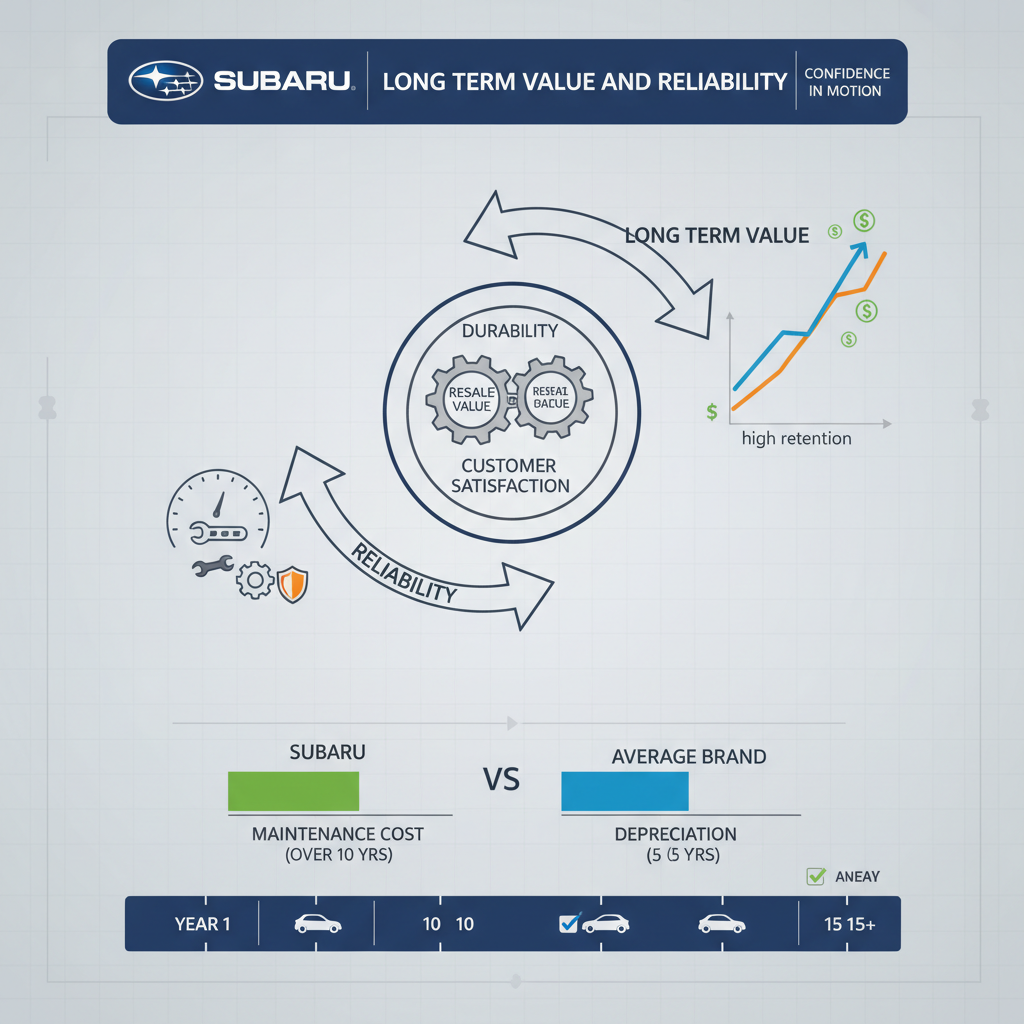
While standard features and initial purchase price often dominate the car-buying conversation, the true cost of owning a vehicle unfolds over five to ten years. A smart car buyer looks beyond the window sticker to analyze long-term ownership factors. This includes projected depreciation (how well a vehicle retains its value), average scheduled maintenance costs, warranty coverage terms, and historical brand reliability ratings. Focusing on these elements prevents unexpected financial strain down the road.
Depreciation is typically the single largest expense of owning a new car, often exceeding the cost of fuel or insurance. Brands with exceptional resale value, like Subaru and Toyota, historically retain a much larger percentage of their original MSRP after five years. This means when it comes time to trade in or sell your vehicle, you will have significantly more equity to put toward your next purchase. Researching residual value ratings from independent analysts like ALG or Kelley Blue Book is a crucial head-to-head comparison step.
Scheduled maintenance and repair costs also vary widely between manufacturers. Some brands offer complimentary scheduled maintenance for the first few years, which can save you hundreds of dollars upfront. Additionally, comparing warranty terms is essential. A standard bumper-to-bumper warranty typically lasts three years or 36,000 miles, while powertrain warranties usually extend to five years or 60,000 miles. Some manufacturers offer even longer terms. Understanding what is covered—and for how long—provides peace of mind and protects you from costly out-of-pocket repairs as your vehicle ages.
How do trade-in values and financing options impact your head-to-head buying decision?
Your monthly vehicle payment is determined by three main variables: the purchase price of the vehicle, the interest rate of your loan or lease, and the value of your trade-in. When comparing models head-to-head, it is highly beneficial to understand how your current vehicle fits into the financial equation. Trading in a reliable used vehicle can act as a substantial down payment, lowering the principal amount you need to borrow and significantly reducing your monthly financial commitment.
To get a clear, realistic picture of your budget, you can use our easy online tool toValue Your Trade-In. Knowing your current car's worth allows you to run accurate payment calculations on the different models you are considering. It also gives you a solid baseline before you step foot in the dealership, streamlining the entire negotiation process.
Securing financing pre-approval is another vital step in the cross-shopping process. By obtaining pre-approval, you establish a firm interest rate and credit limit, which makes it much easier to compare lease vs. retail finance offers across different brands. It helps you focus entirely on the actual cost of the vehicle rather than being distracted by complex payment structures.
At Hawk Subaru, our expert finance team works with a wide network of local and national lenders to secure highly competitive rates for our customers. You can quickly and securelyGet Pre-Approved for Financingonline, saving you time at the dealership and giving you the buying power you need to make an informed head-to-head decision.
For shoppers in Plainfield, IL, how can you compare your most-shopped models head to head and check local inventory in one place?
Explore Trims Side-by-Side
Our comprehensive digital showroom allows buyers in Plainfield, Joliet, and Naperville to easily compare various trim configurations side-by-side. Instead of visiting multiple websites, you can view standard and optional features for different models on a single page, helping you identify which features are essential and which you can live without.
View Live Pricing & Offers
Transparency is at the heart of our shopping experience. Our website provides live, up-to-date pricing on all in-stock and incoming vehicles. You can easily view current manufacturer incentives, dealer discounts, and estimated monthly payments, allowing you to compare the real-world cost of different models without any hidden surprises.
Schedule Compare Test Drives
Nothing replaces the feeling of getting behind the wheel. Once you have narrowed down your choices online, you can quickly schedule consecutive test drives at Hawk Subaru. Driving your top choices back-to-back on the same local roads is the ultimate way to feel the differences in steering, braking, seat comfort, and cabin noise.
Whether you are looking toBrowse Used Inventoryor configure a brand-new model, our team is dedicated to providing a relaxed, low-pressure shopping environment. We can answer highly technical questions, explain how different driver-assistance systems work, and help you find the exact vehicle that fits your criteria. To speak with one of our product specialists today, feel free toCall us at (815) 725-3789.
How do AWD systems perform on snowy Will County roads during a Midwestern winter?
All-wheel-drive systems are not created equal, and understanding the mechanical differences is critical for drivers facing harsh Midwestern winters. Many modern crossovers utilize reactive 'slip-and-grip' systems. These vehicles operate in front-wheel-drive mode under normal conditions to save fuel. When sensors detect that the front wheels have begun to spin or lose traction on an icy patch, an electronic clutch engages to send power to the rear wheels. While this helps get the vehicle moving, there is a distinct, split-second delay before the system reacts, which can lead to momentary instability.
In contrast, Subaru’s Symmetrical All-Wheel Drive is an active, continuous system. It distributes power to all four wheels at all times. By maintaining a constant flow of torque to every wheel, the system can proactively prevent slippage from occurring in the first place. The symmetrical, linear layout of the drivetrain—with the engine, transmission, and driveshaft aligned down the center of the vehicle—creates a lower center of gravity and near-perfect side-to-side balance. This translates to incredibly stable and predictable handling when cornering on slick, unplowed roads.
This continuous power delivery makes a noticeable difference when driving through deep snow or navigating icy patches on local highways. Rather than waiting for a wheel to slip before correcting, a continuous system maintains momentum and directional control, giving you much higher confidence behind the wheel. When comparing safety features head-to-head, standard, full-time all-wheel drive is one of the most effective safety features you can choose for driving in Will County.
Furthermore, many Subaru models feature advanced X-MODE®, which optimizes engine output, transmission ratios, and the AWD system to maximize traction on highly challenging surfaces. Whether you are climbing a steep, icy driveway or dealing with slushy lane changes on the interstate, having a system engineered for continuous traction ensures your vehicle is always working to keep you safe and stable.
Why routine maintenance and OEM parts keep your top-rated SUV running longer
Investing in a top-rated, highly reliable SUV is only the first step; maintaining that vehicle with care is what ensures it runs smoothly for hundreds of thousands of miles. Regular scheduled maintenance—such as oil changes, tire rotations, brake inspections, and fluid flushes—is essential to keep complex mechanical systems operating at peak efficiency. Neglecting these basic services can lead to premature wear, reduced fuel economy, and potentially costly repairs that could have been easily avoided.
When your vehicle does require service or repair, using Genuine OEM (Original Equipment Manufacturer) parts is critical. OEM parts are designed and engineered by the vehicle's manufacturer specifically for your exact make and model. They match the original components perfectly, ensuring optimal performance, safety, and durability. In contrast, aftermarket parts are built to fit a wide range of vehicles, which can lead to fitment issues, reduced performance, and accelerated wear. Using non-OEM parts can even void your manufacturer's warranty in some instances.
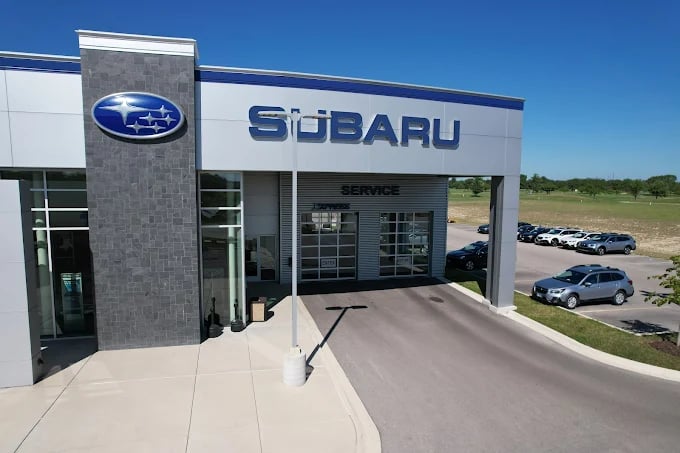
At the Hawk Subaru service center, our factory-trained and certified technicians possess deep, specialized knowledge of your vehicle's unique engineering, including the boxer engine and Symmetrical AWD system. We utilize state-of-the-art diagnostic equipment and stock a comprehensive inventory of genuine OEM parts at ourParts Center. By trusting your vehicle to certified experts, you maintain its performance, preserve its long-term resale value, and ensure its safety. If your vehicle is due for maintenance, you can easilySchedule Your Service Todayusing our convenient online portal.
Ready to test drive your top choices head to head at Hawk Subaru in Plainfield?
There is only so much research you can do online. To truly understand which vehicle is the perfect match for you and your family, you need to experience them from the driver's seat. We invite you to visit Hawk Subaru, conveniently located on Route 59 in Plainfield, Illinois. Our friendly, knowledgeable staff is here to help you compare trim levels, explore advanced safety features, and take your top choices out on consecutive, head-to-head test drives.
Whether you are interested in a brand-new Forester, an adventurous Outback, or exploring our diverse pre-owned inventory, we are committed to providing an educational, hassle-free dealership experience. Come visit us on Route 59, speak with our dedicated finance experts, and find the perfect vehicle that you will love driving for years to come.Get Directions to Hawk Subaruto plan your visit, orCall us at (815) 725-3789to set up a priority appointment today.