Chicagoland Winter Readiness: Essential Subaru Battery & Fluid Checklist for Sub-Zero Temperatures
When arctic cold fronts descend across Northern Illinois, sub-zero temperatures present an aggressive challenge to every vehicle on the road. For Subaru owners throughout Plainfield, Naperville, and Joliet, extreme winter conditions test every critical mechanical and electrical system under the hood. At -10°F or lower, standard lead-acid batteries can lose up to 50 percent of their cranking power right when your engine requires maximum electrical energy to turn over heavy, cold-thickened motor oil. Ensuring your vehicle starts reliably and operates safely through a Chicagoland deep freeze demands proactive maintenance tailored specifically to Subaru engineering.
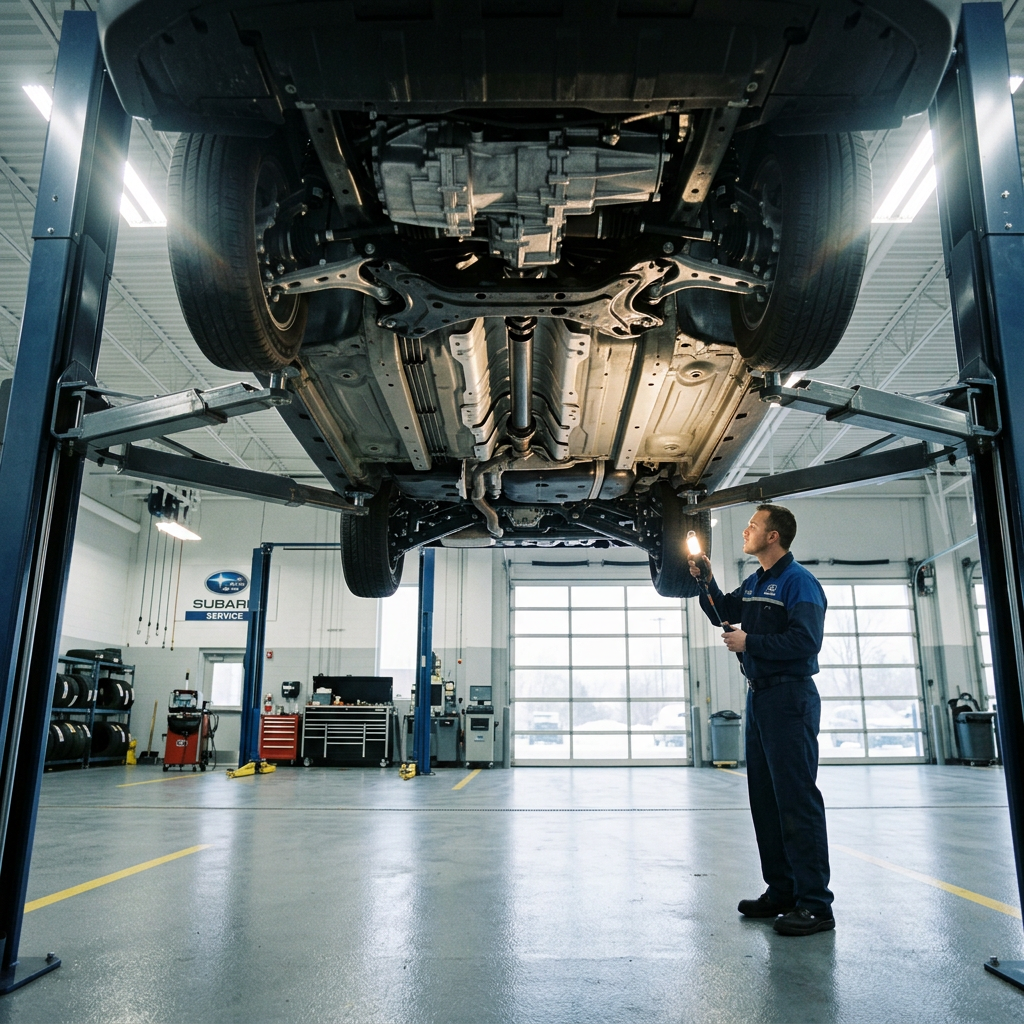
A complete winterization protocol begins with a comprehensive battery conductance test to evaluate cold-cranking capacity, followed by transitioning to low-viscosity 0W-20 synthetic oil designed to flow instantly in sub-zero weather. Additionally, verifying a precise 50/50 engine coolant mixture rated to at least -34°F and topping off washer reservoirs with extreme-cold de-icing fluid prevents catastrophic freeze-ups on icy highway commutes. At Hawk Subaru in Plainfield, our factory-trained service team performs exhaustive multi-point winter inspections to guarantee your Symmetrical All-Wheel Drive vehicle remains your most reliable sanctuary against Midwest cold snaps.
How Do Sub-Zero Temperatures Affect a Subaru Battery and Engine Fluids?
The underlying mechanics of extreme cold are relentless. Inside a automotive lead-acid battery, electrical current is generated through a chemical reaction between lead plates and an electrolyte solution of sulfuric acid and water. When ambient temperatures plunge below zero, these chemical reactions slow down dramatically. At 32°F, a battery loses roughly 20 percent of its effective output; by the time the thermometer drops to -10°F, available Cold Cranking Amps (CCA) drop by over 50 percent. Simultaneously, cold causes structural metal components inside the starter motor and engine block to contract, creating higher mechanical resistance during ignition cycles.
Engine fluids experience equally dramatic physical changes during a severe freeze. Conventional motor oils and improper viscosity formulations experience kinematic thickening, transforming into a sludge-like consistency that resists pump pressure. During the first critical seconds after a cold start, sluggish oil flow delays vital lubrication to the overhead camshafts and cylinder walls of the Subaru BOXER® engine. Meanwhile, unconditioned cooling systems risk freezing solid, which can crack radiator tanks or push out engine freeze plugs. Understanding these thermodynamic stresses makes clear why pre-winter fluid and battery diagnostics are non-negotiable for Chicagoland drivers.
What Battery Check Should a Subaru Owner in Plainfield Complete Before Sub-Zero Weather?
Conductance Load Testing
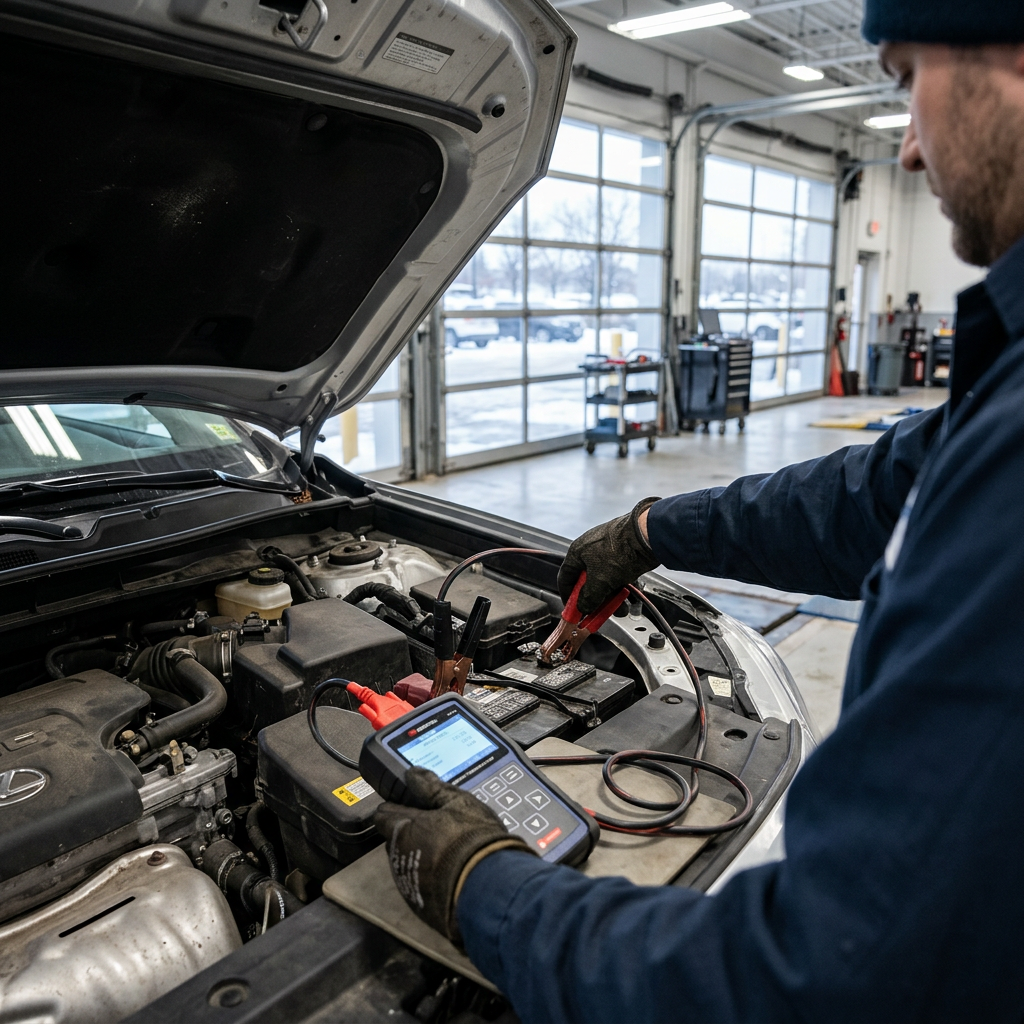
Simple voltage testing with a basic multimeter can be deceiving; a weak battery might show 12.6 volts at rest but collapse under load. A professional digital conductance test measures internal plate resistance to accurately determine remaining Cold Cranking Amps (CCA) capacity before freezing weather sets in.
Terminal Corrosion & Cable Health
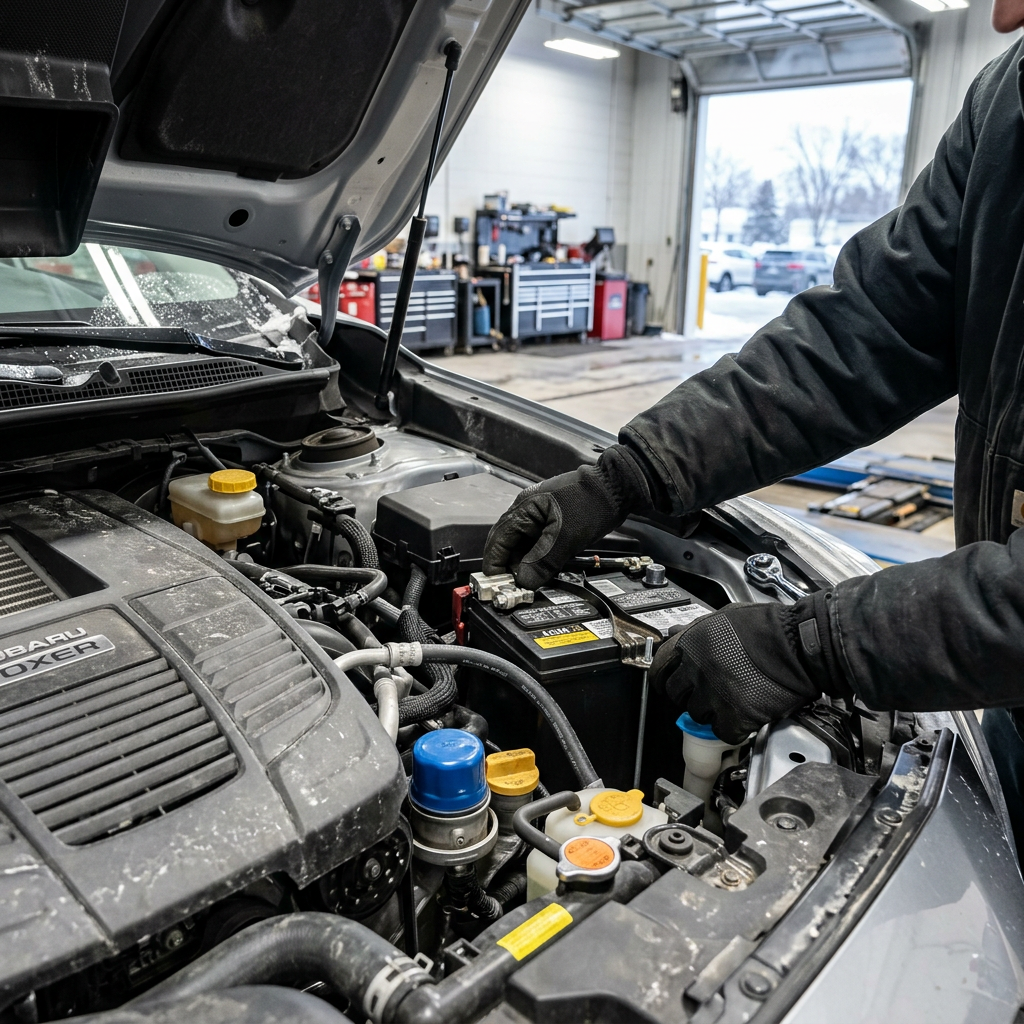
White or bluish powdery buildup on battery terminals increases electrical resistance, starving the starter motor of essential current. Winterizing involves scrubbing terminals clean, applying anti-corrosion protective sealants, and torque-checking main battery ground cables.
Parasitic Tech Load Assessment
Modern Subaru models feature complex electronics—including Subaru EyeSight® Driver Assist, heated seats, heated steering wheels, and high-output defrost systems. Evaluating your charging system ensures the alternator compensates for heavy winter electrical loads.
Upgrading to AGM: Does Installing an AGM Battery Require Recalibrating the Subaru Charging System?
Upgrading from a standard flooded lead-acid battery to an Absorbent Glass Mat (AGM) battery is one of the most effective modifications for Chicagoland drivers facing severe sub-zero winters. AGM batteries utilize glass fiber mesh separators to hold electrolyte fluid in place, offering dramatically higher vibration resistance, faster recharge rates, and superior cold-cranking performance under deep freezes.
However, installing an AGM battery in a modern Subaru vehicle requires resetting and recalibrating the internal Battery Management System (BMS). Subaru smart alternators adjust charging voltage based on programmed battery chemistry, state of charge, and ambient temperature. Installing an AGM unit without updating the BMS charging algorithm can result in undercharging or overcharging, shortening the lifespan of your premium AGM battery. Certified technicians at our Parts Center can ensure exact fitment and proper system calibration.
Can 0W-20 Synthetic Oil Improve Cold Engine Cranking Speeds in Freezing Temperatures?
Engine oil viscosity is measured by its resistance to flow. In the designation '0W-20', the '0W' represents the oil's winter viscosity rating tested at sub-zero temperatures (-35°C/-31°F). Genuine Subaru 0W-20 Synthetic Oil is specifically engineered to maintain low kinematic viscosity in extreme cold, allowing the starter motor to crank the engine with minimal mechanical drag during frosty mornings in Plainfield and Naperville.
The horizontal configuration of the Subaru BOXER® engine means oil must travel efficiently through widespread internal passages to protect overhead camshafts and cylinder walls immediately upon startup. Higher viscosity oils (such as 5W-30 or 10W-40) turn thick and resistant in sub-zero weather, causing extended periods of dry metallic friction during warm-up. Utilizing genuine 0W-20 synthetic oil ensures instantaneous oil pressure buildup, smoother cold cranking, and maximum engine longevity.
|
Oil Viscosity Rating
|
Sub-Zero Flow Rating (-30°F)
|
Cold Cranking Drag Level
|
BOXER Engine Warm-Up Protection
|
|
0W-20 Full Synthetic
|
Immediate / Fluid
|
Minimal
|
Optimal (Factory Recommended)
|
|
5W-30 Synthetic
|
Moderate Resistance
|
Moderate
|
Acceptable above 0°F
|
|
10W-40 Conventional
|
High Viscosity / Sluggish
|
Severe
|
High Risk in Sub-Zero Temps
|
Essential Subaru Winter Fluid Maintenance: Coolant, Brake, and Washer Systems
Engine Coolant Protection
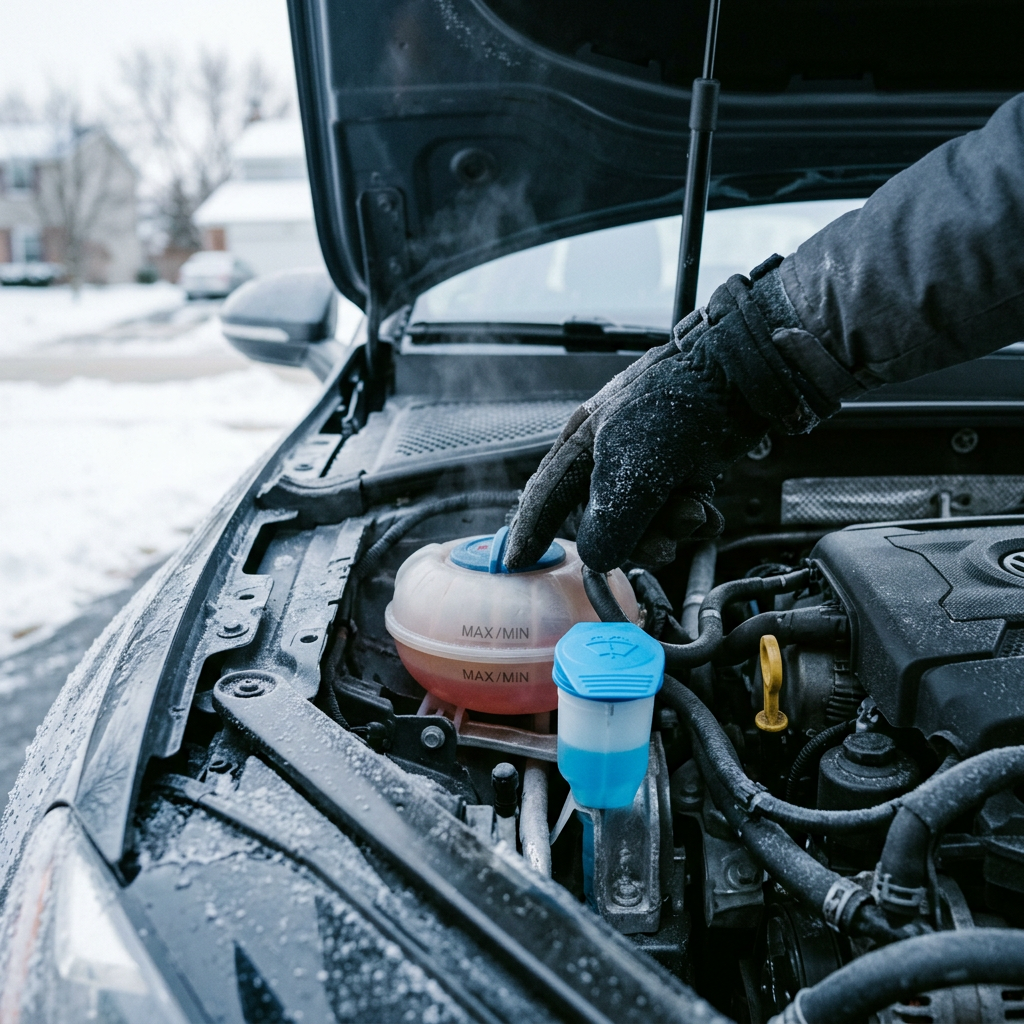
Genuine Subaru Super Coolant must maintain a precise 50/50 mixture of glycol and deionized water to guarantee freeze protection down to -34°F (-37°C). Refractometer testing verifies proper hydrometer density to prevent severe engine block corrosion and freeze cracking.
Brake Fluid Moisture
Brake fluid is hygroscopic, absorbing moisture from the ambient air over time. In sub-zero weather, trapped water molecules can freeze into microscopic ice crystals inside hydraulic ABS valving, causing spongy pedal feel or dangerous brake system failure.
Sub-Zero De-Icing Washer Fluid
Summer windshield washer fluids rapidly freeze on windshield glass when sprayed during highway driving. Winterizing requires flushing reservoirs with high-concentration methanol de-icing formulas rated for -25°F or lower to clear salt spray and ice instantly.
How Much Does an Official Subaru Engine Block Heater Kit Cost and Is It Worth It?
An official OEM Subaru Engine Block Heater Kit is available with professional dealership installation; contact us for current pricing and labor details. For drivers residing in Northern Illinois who park outdoors or face extreme cold waves, installing a block heater is a highly practical investment.
By plugging the heating element into a standard outlet overnight or via a heavy-duty outdoor timer 2-3 hours before your morning commute, the block heater warms the engine block and coolant to 80°F-100°F above ambient air temperature. This drastically reduces cold-start mechanical wear, provides near-instant cabin heat for defrosting, and minimizes excess fuel consumption needed during initial engine warm-up enrichment cycles.
Key Benefits of Genuine Subaru Block Heaters: • Reduces cold-start engine wear by up to 80% • Instant windshield defrosting and warm cabin airflow • Decreases electrical starter motor and battery strain • Lowers cold-weather tailpipe emissions and fuel consumption • Factory OEM engineering ensures zero interference with engine seals
Winterizing Transmission and Differential Fluids for Symmetrical All-Wheel Drive
Subaru Symmetrical All-Wheel Drive depends on precise hydraulic pressure and smooth torque distribution across all four wheels. In extreme cold conditions, Lineartronic® CVT fluid and front/rear differential hypoid gear oils endure immense thermal and mechanical stress. Aged or contaminated fluid thickens in sub-zero temperatures, causing delayed torque transfer, sluggish shifting, and increased friction inside differential ring and pinion gears.
Replacing aged differential gear oil with fresh genuine Subaru 75W-90 synthetic gear oil ensures optimal fluid film strength under low temperatures, protecting planetary gearsets during wheel slip recovery. Drivers interested in maintaining optimal AWD traction across changing vehicle lineups can also Explore Certified Pre-Owned Vehicles featuring inspected Symmetrical AWD systems.
How Does Subaru X-Mode Assist When Driving Through Deep Snow or Unplowed Streets?
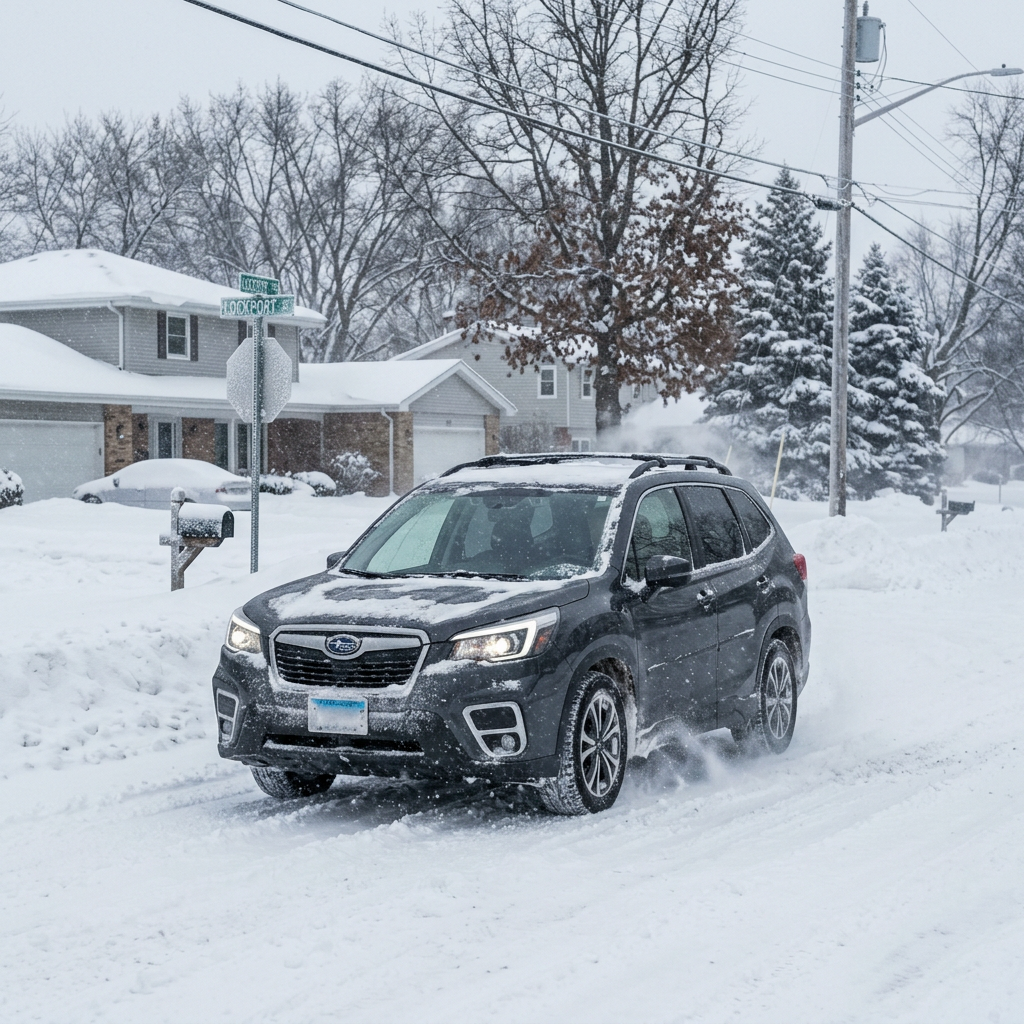
When sub-zero blizzards dump unplowed snow across Plainfield and Joliet neighborhood streets, Subaru X-Mode® provides advanced electronic control to maximize available traction. At the push of a button, X-Mode alters the engine throttle mapping, CVT transmission gear ratio holding, AWD multi-plate transfer clutch locking pressure, and Vehicle Dynamics Control (VDC) braking sensitivity.
In deep snow or slush, standard traction control may cut engine power when wheels begin to slip, stalling momentum. X-Mode allows controlled wheel spin to dig through soft top snow while applying individual brake pressure to spinning wheels, transferring power immediately to wheels with firm ground contact. Dual-Function X-Mode adds specialized 'Snow/Dirt' and 'Deep Snow/Mud' modes for deep drift navigation.
Tire Pressure and Winter Rubber Considerations for Severe Cold Weather
1-2 PSI Drop Per 10°F
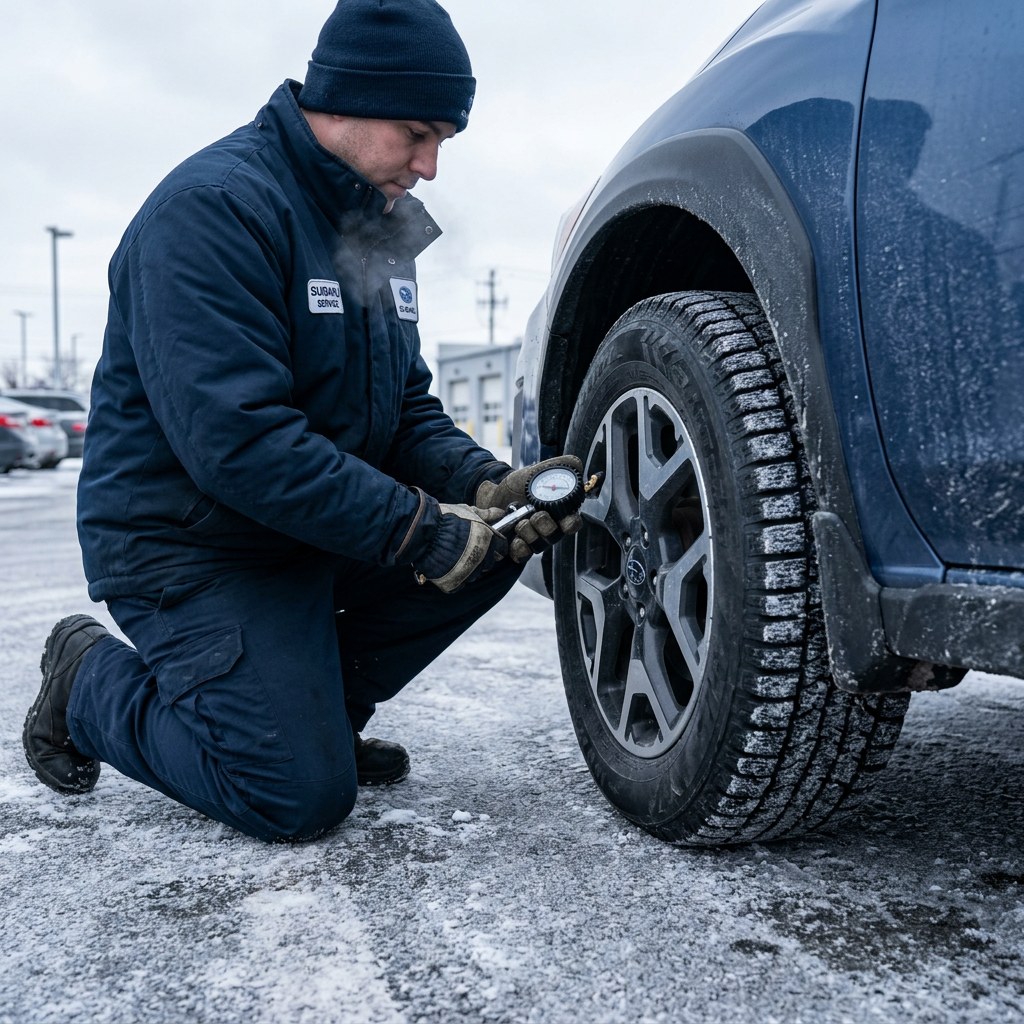
Physics dictates that air pressure decreases as ambient temperature drops. For every 10°F drop in outside temperature, tire inflation pressure drops approximately 1 to 2 PSI. Rapid overnight freezes frequently trigger TPMS warning lights across Chicagoland dashboards.
Rubber Compound Flexibility
All-season tire tread compounds harden below 45°F, reducing grip on dry or wet cold pavement. Dedicated winter tires (such as Bridgestone Blizzak) utilize silica-rich compounds that remain soft and pliable in sub-zero temps, providing up to 35% shorter stopping distances on ice.
I-55 & Route 59 Highway Safety
Maintaining proper cold inflation pressure prevents uneven tread wear, sidewall damage, and hydroplaning on slushy highway routes. Check tire pressures in the morning before driving when tires are completely cold.
Creating a Chicagoland Emergency Winter Roadside Kit for Your Subaru
Even with Subaru's renowned AWD capability, extreme weather events can cause unexpected delays or stranded situations. Carrying a well-stocked winter emergency kit in your cargo area ensures safety and peace of mind during severe weather warnings.
Essential Emergency Kit Items: • Heavy-duty 4-gauge jumper cables or 2000A portable lithium jump starter pack • Telescopic snow brush with durable ice scraper edge • Compact folding aluminum shovel and traction boards • Heavy thermal Mylar emergency blankets and winter gloves • High-lumen LED flashlight with spare batteries • Non-perishable high-energy snacks and bottled water
Always keep your cell phone fully charged and store numbers for local assistance. For detailed navigation directions to our dealership for emergency service or parts support, you can Get Directions to Hawk Subaru directly online.
Schedule Your Winterization Inspection at Hawk Subaru in Plainfield
Consider testing your Subaru vehicle's battery and fluids before the first severe sub-zero cold snap. The expert service department at Hawk Subaru in Plainfield is fully equipped with specialized diagnostic tools, advanced battery conductance analyzers, and genuine Subaru OEM fluids designed specifically for Midwest severe winter conditions.
Conveniently located at 2401 Rte 59, Plainfield, IL 60586, we proudly serve drivers throughout Plainfield, Naperville, Joliet, and surrounding Will County communities. Contact our service advisors at Call (815) 725-3789 or reserve your appointment online to ensure your vehicle is 100% winter-ready.