How Often Should Vehicle Floor Mats Typically Be Replaced?
As a rule of thumb, vehicle floor mats should typically be replaced every 2 to 5 years, or roughly between 25,000 and 50,000 miles of driving. However, the exact replacement window varies significantly based on material composition, daily footwear, and local weather patterns. Daily commuters navigating winter slush, abrasive road salt, and mud around Plainfield, Naperville, and Joliet frequently experience accelerated wear, necessitating earlier mat replacement to prevent moisture from destroying underlying factory carpets.
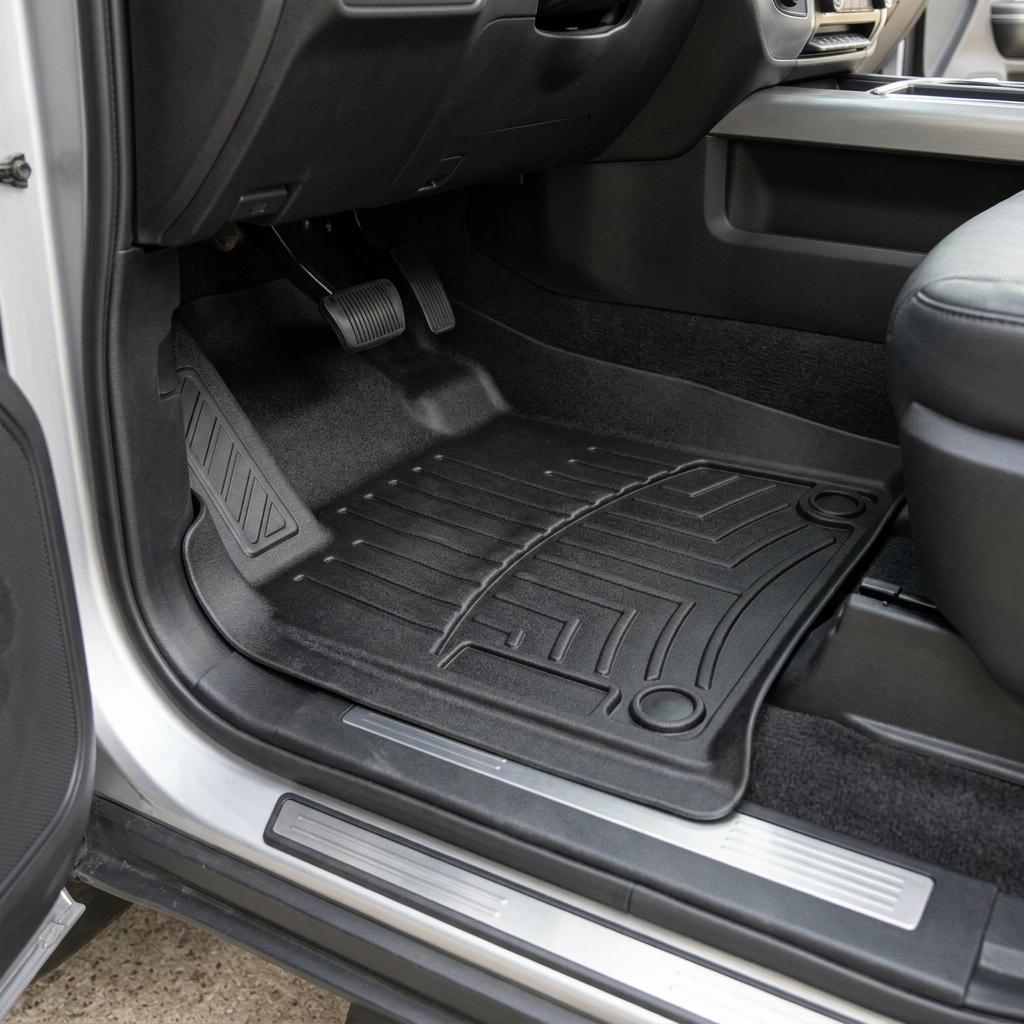
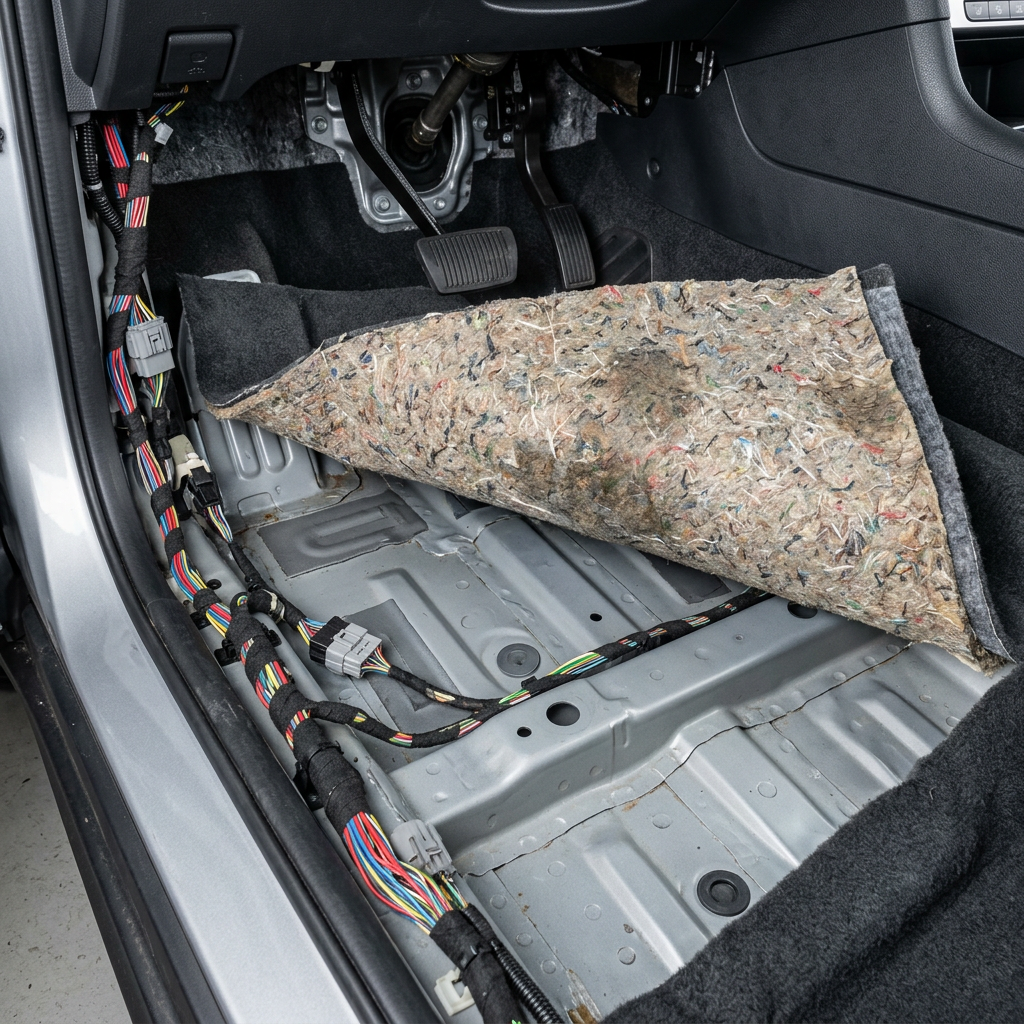
Floor mats serve as the frontline defense for your cabin's floorboards. Over time, repetitive heel pressure, grit friction, and chemical degradation from road de-icers wear down protective barriers. When backing materials fail, salt-laden water penetrates directly into the vehicle's sub-floor insulation, creating ideal conditions for carpet mold, lingering odors, and hidden structural rust.
What Are the Main Signs That It Is Time to Replace Your Car Floor Mats?
Carpet vs. Rubber vs. All-Weather Floor Liners: Lifespan & Durability Comparison
Choosing the right floor protection material directly dictates how long your interior stays protected against wear and northern Illinois weather extremes.
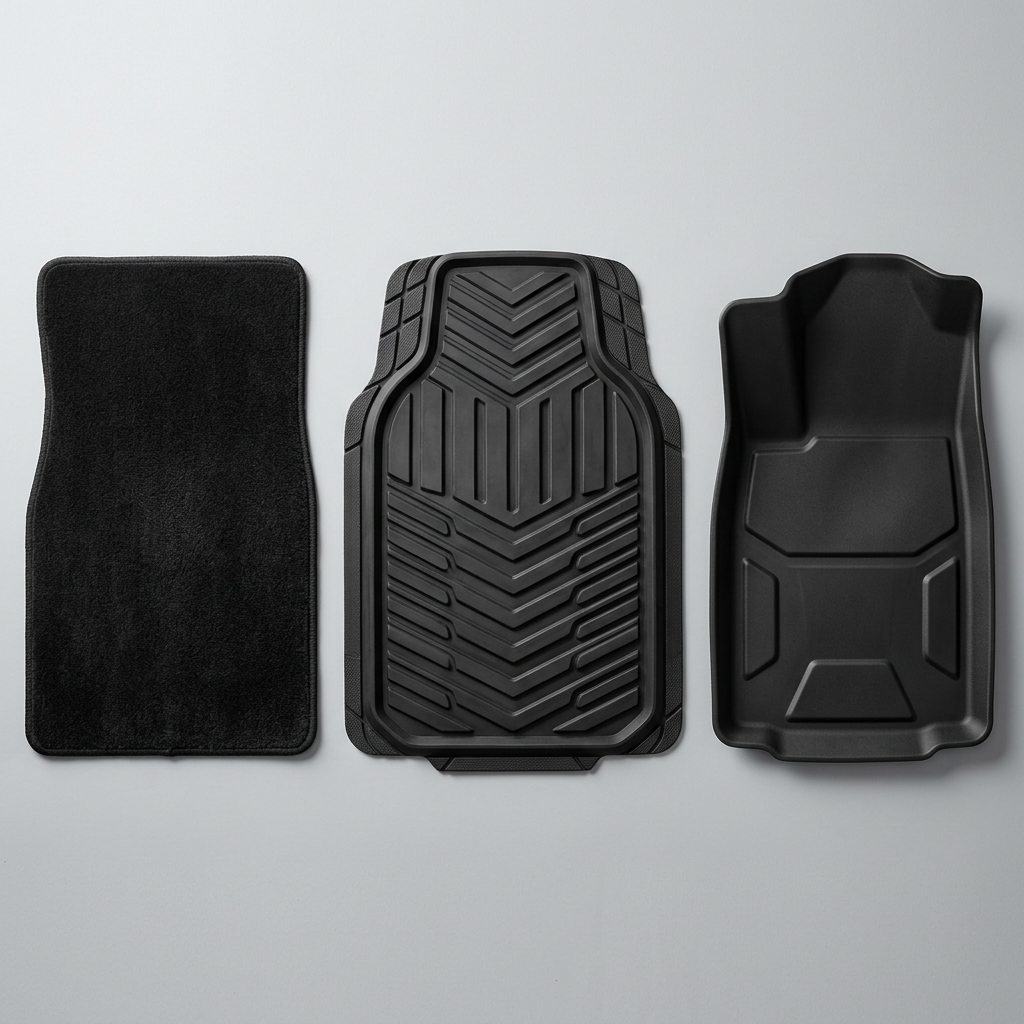
Safety Warning: Is It Safe to Stack an All-Weather Rubber Mat on Top of a Carpet Floor Mat?
No! You should never stack an all-weather rubber floor mat on top of an existing carpet floor mat.
Vehicle manufacturers design floor mat retention systems with precise tolerances. Floor mats are meant to attach directly to factory retention hooks or twist-lock anchors located on the vehicle carpet. Stacking a secondary mat over an primary mat bypasses these anchor clips completely.
Without secure anchoring, top mats shift forward while driving. A sliding mat can wedge underneath or over top of the accelerator and brake pedals, preventing full pedal movement or trapping the accelerator pedal down. The National Highway Traffic Safety Administration (NHTSA) warns that pedal entrapment caused by improper or stacked floor mats is a major leading cause of sudden unintended acceleration incidents. Always remove original carpet mats before securing all-weather rubber mats.
Do Rubber Floor Mats Crack or Harden in Severe Winter Temperatures?
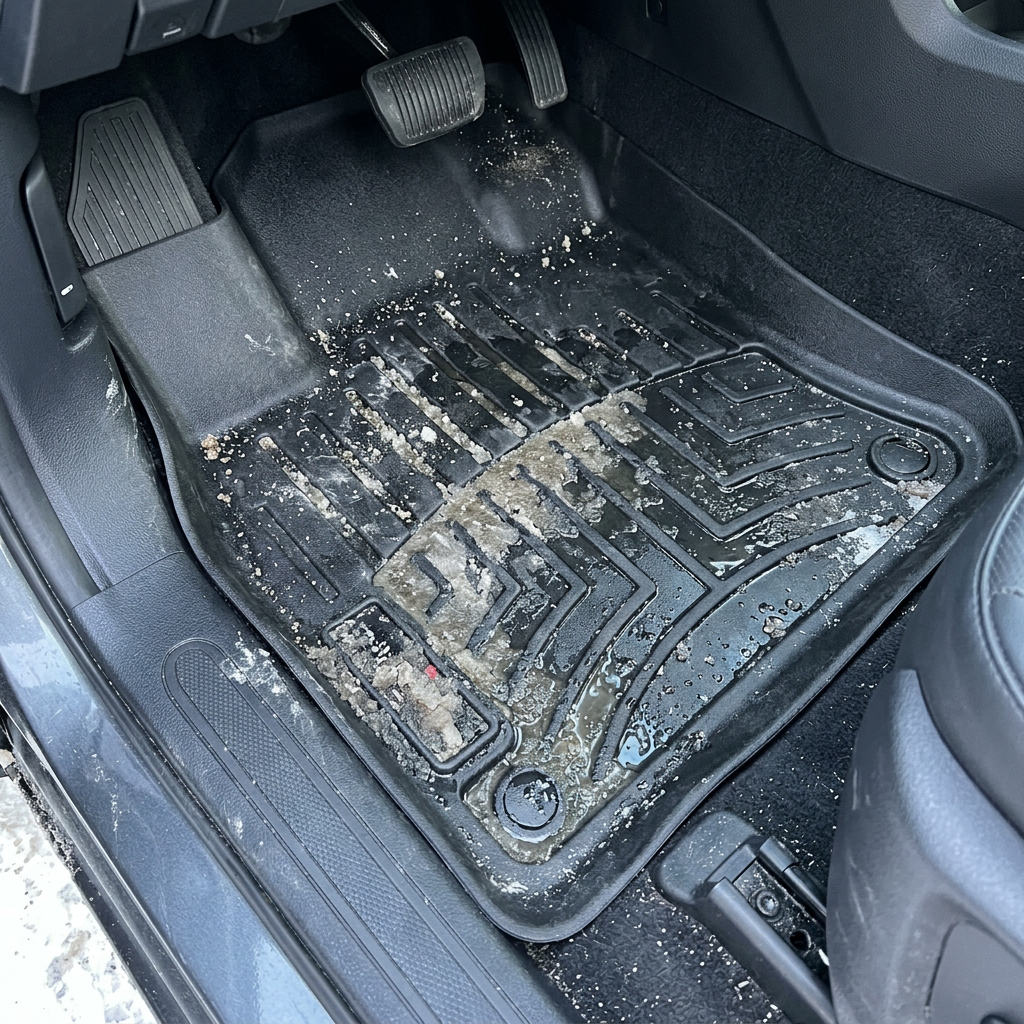
Do Custom-Fit Floor Liners Protect Carpet Better Than Universal Mats?
Do OEM Replacement Floor Mats Cost More Than Aftermarket Floor Liners?
Should You Replace Old Floor Mats Right Before Selling a Used Car?
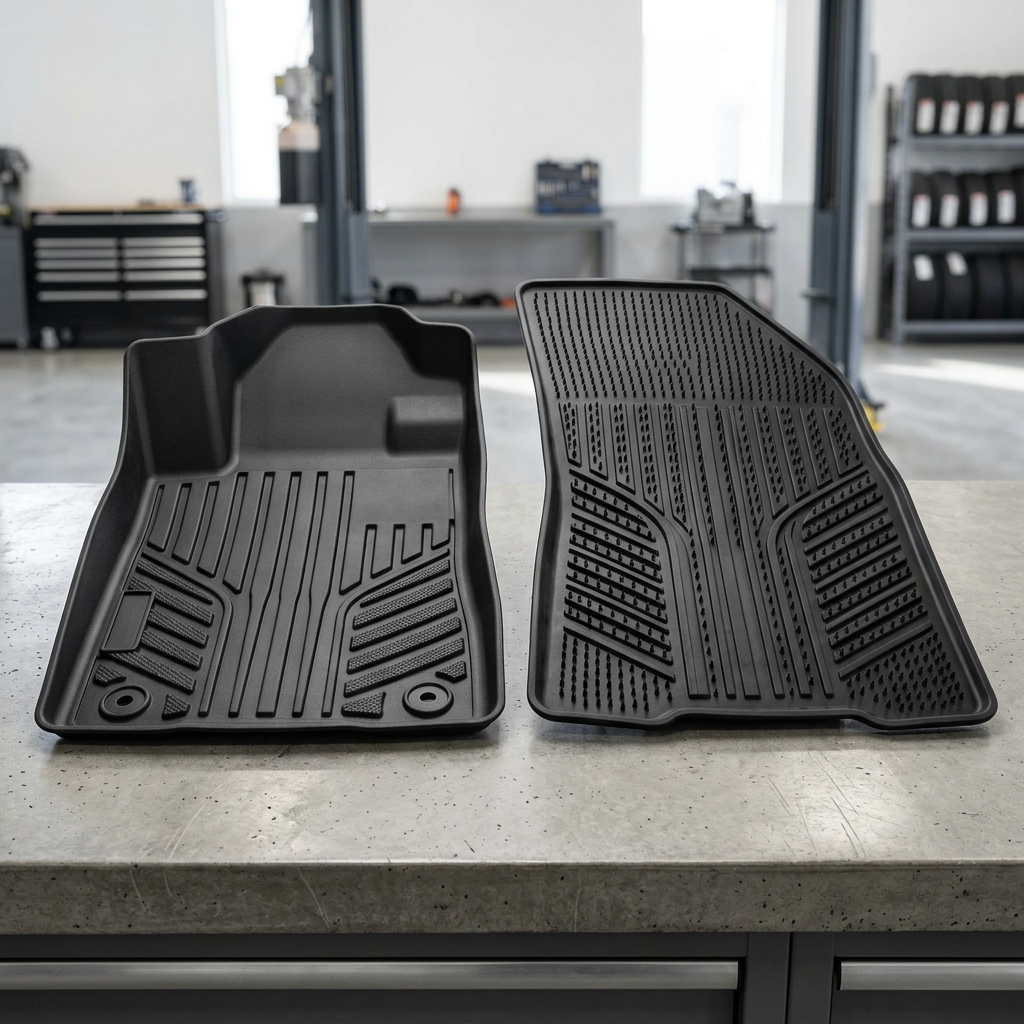
Yes, replacing worn floor mats before trading in or selling your vehicle provides an excellent return on investment.
First impressions strongly influence trade-in valuations and private buyer perception. When appraiser team members inspect your car interior, worn, stained, or foul-smelling floor mats imply neglect. Crisp, clean floor mats create an immediate visual impression of a well-maintained vehicle.
Investing roughly $100 in fresh factory floor mats can prevent appraisers from deducting hundreds of dollars off your vehicle's trade value for interior detailing or carpet replacement.
How to Properly Clean and Extend the Lifespan of Your Vehicle Floor Mats
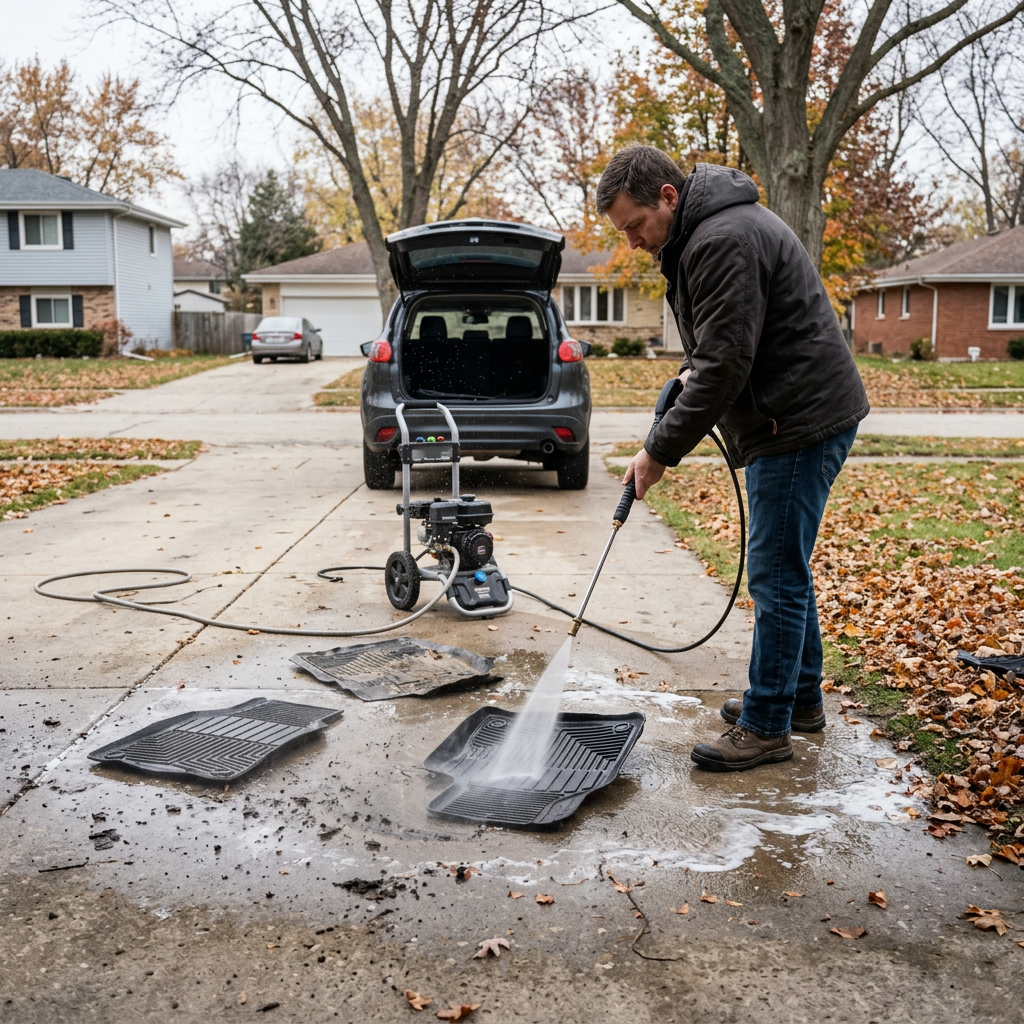
Seasonal Mat Swapping: A Smart Maintenance Routine for Northern Illinois Drivers
How Damaged Floor Mats Can Lead to Hidden Rust and Electrical Floor Wire Repairs
Finding the Right Fit: Genuine OEM Parts and Accessories in Plainfield
For drivers in Plainfield, Naperville, and Joliet, maintaining your interior with factory-approved accessories is simple. At Hawk Subaru, our parts department stocks exact-fit Genuine OEM all-weather floor mats engineered specifically for Subaru models like the Outback, Forester, Crosstrek, and Ascent.
Factory accessories match your exact footwell dimensions and integrate seamlessly with floor retention pegs. If you need help choosing the best protection package for your vehicle, Call (815) 725-3789 or stop by our dealership. You can easily Get Directions to Hawk Subaru to visit our parts showroom.
Factory accessories match your exact footwell dimensions and integrate seamlessly with floor retention pegs. If you need help choosing the best protection package for your vehicle, Call (815) 725-3789 or stop by our dealership. You can easily Get Directions to Hawk Subaru to visit our parts showroom.
Upgrade Your Vehicle Interior Protection at Hawk Subaru Today
Protect your car's interior longevity and maintain maximum trade-in value against northern Illinois winter weather. Visit Hawk Subaru in Plainfield today to explore our complete inventory of genuine all-weather accessories, floor liners, and new vehicles.