What Pre-Winter Maintenance Checks Prevent Cold-Weather Vehicle Breakdowns?
As northern Illinois transitions into late autumn, commuters along the I-55, I-80, and Route 59 corridors face some of the most challenging winter driving conditions in the Midwest. Chicagoland winter weather delivers a combination of sub-zero wind chills, rapid freezing cycles, heavy snowfall, and heavy road-salt exposure. These extreme environmental factors place immense mechanical stress on every major vehicle system. Research indicates that more than 90 percent of cold-weather roadside breakdowns can be directly prevented through systematic pre-winter vehicle testing and proactive maintenance.
A comprehensive pre-winter evaluation focuses on five critical vulnerability zones: electrical system reserve capacity, tire tread compound pliability, engine oil cold-flow viscosity, radiator coolant freeze-point thresholds, and driver-assist safety camera sensors. Addressing these core areas before the initial hard freeze guarantees that your vehicle starts reliably during sub-zero mornings and maintains vital traction across treacherous, ice-covered suburban highways. Drivers seeking absolute reliability can trust certified technicians to conduct comprehensive checks—you can easily Schedule Your Service Today to ensure your vehicle is fully prepared.
How Can Drivers Test Battery Health Before Freezing Temperatures Hit?
Automotive batteries rely on complex lead-acid electrochemistry to generate electrical current. When temperatures plummet to 32°F, a battery loses roughly 20 to 30 percent of its total electrical output capacity. At 0°F, available cranking power drops by up to 50 percent, while the engine simultaneously requires nearly twice as much energy to turn over thick, chilled motor oil. A battery that operates adequately during moderate autumn weather can suddenly fail without warning during the first arctic blast.
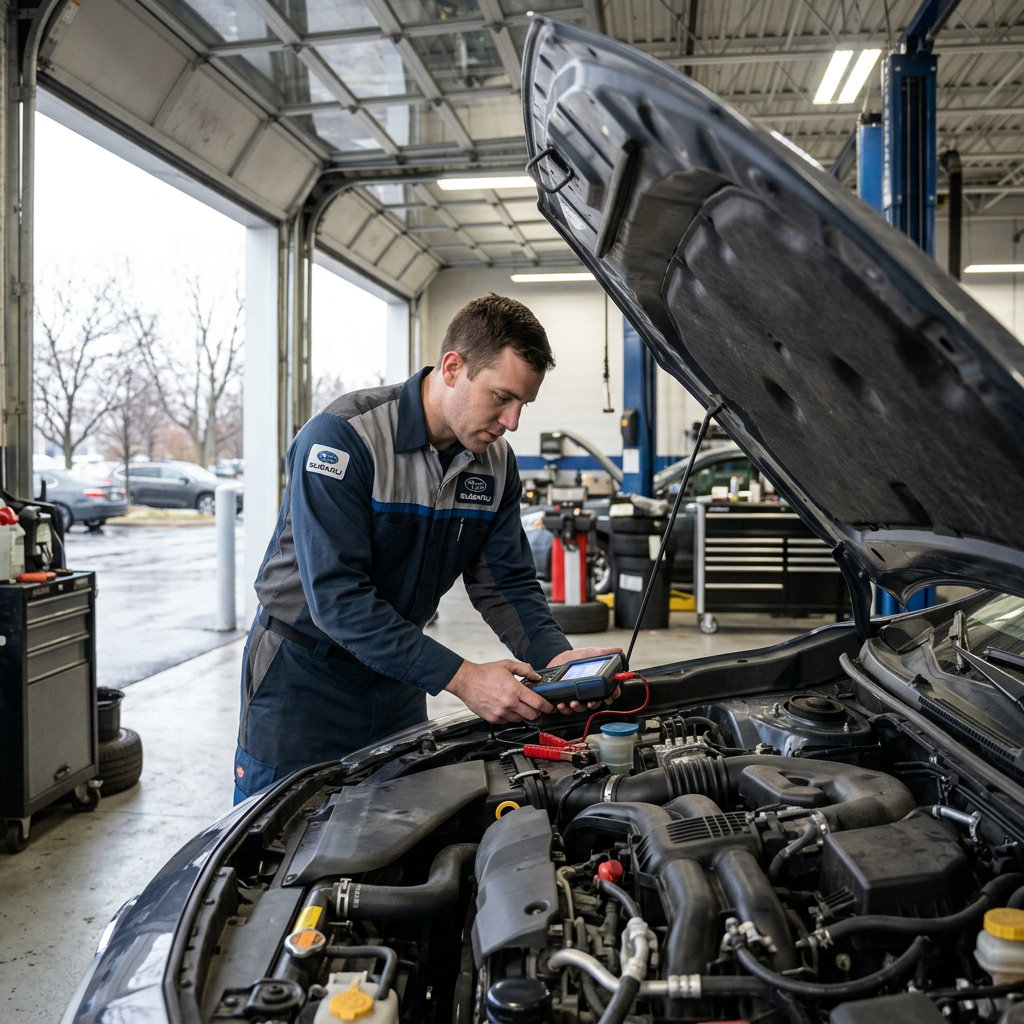
To prevent unexpected strandings, professional conductance testing is essential. Conductance testers send a low-frequency digital signal through the battery grid to measure internal cell resistance, health status, and true Cold Cranking Amps (CCA). This non-invasive diagnostic accurately detects internal plate degradation long before physical symptoms appear, allowing drivers to replace aging units proactively.
In addition to digital conductance diagnostics, a visual inspection of the battery terminals and hold-down bracket is critical. White or bluish powdery corrosion buildup across terminal posts acts as an electrical insulator, drastically restricting high-current flow to the starter motor. Cleaning posts with neutralizer and applying protective dielectric grease prevents voltage drops.
If your battery is over three years old, experiencing slow engine cranks, or showing physical case swelling, immediate replacement is highly recommended. For drivers seeking genuine replacement parts or battery maintenance components, explore our dedicated Parts Center to find exact OEM-spec battery replacements suited for northern Illinois winters.
What Engine Coolant Freeze Protection Level Is Necessary for Chicagoland Winters?
Precise 50/50 Chemistry: Engine coolant serves a dual purpose: dissipating extreme engine heat in summer and preventing catastrophic block freezing in sub-zero winter temperatures. Chicagoland climate demands a precise 50/50 mixture of concentrated ethylene glycol coolant and distilled water, establishing a freeze-protection threshold down to -30°F (-34°C).
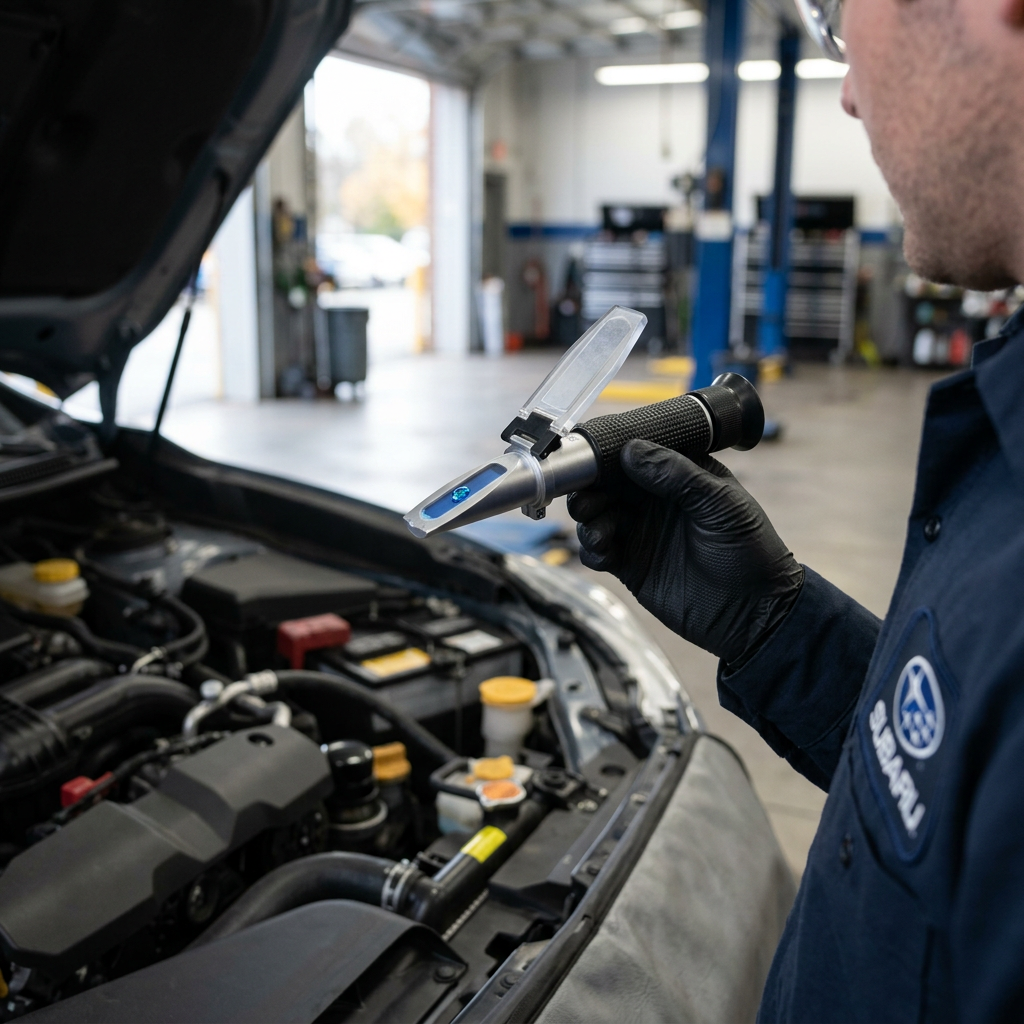
Hydrometer & Refractometer Testing: Using plain tap water to top off a cooling system dilutes chemical concentration, raising the freezing point dangerously close to 0°F. Professional refractometers measure light refraction through fluid to verify true freeze protection and chemical concentration instantly.
Preventing Engine Block Damage: If water content in the cooling system freezes, expanding ice can crack engine blocks, warp cylinder heads, and burst expensive radiator cores. Ensuring proper anti-freeze chemical balance eliminates the risk of disastrous internal structural engine damage during deep freezes.
Hose & Clamp Flexibility Checks: Sub-zero cold causes rubber engine hoses to contract and harden, accelerating micro-cracking along stress folds. Radiator hoses and heater core connections must be squeezed to confirm pliability, ensuring clamps remain tight under severe pressure changes.
What Engine Oil Viscosity Grade Is Recommended for Northern Illinois Winters?
Engine oil viscosity refers to a fluid's resistance to flow at specific operating temperatures. In standard multigrade oil designations like 0W-20, the number preceding the 'W' stands for 'Winter' performance. Lower winter numbers indicate that oil flows rapidly across critical engine components during arctic cold starts, drastically reducing metal-on-metal wear.
When temperature drops near zero, conventional motor oils thicken into a slow, syrupy consistency. This delayed flow leaves internal engine components—such as camshaft bearings, valve trains, and cylinder walls—starved of lubrication for crucial seconds after ignition. Full synthetic oils maintain exceptional cold-pour properties, flowing instantly to shield vital moving parts.
Modern Subaru BOXER® engines are engineered with ultra-precise internal tolerances that require immediate synthetic oil distribution. Utilizing manufacturer-recommended low-viscosity synthetic formulas like 0W-20 enhances cold-morning start efficiency, lowers internal drag, and maximizes fuel economy during extended winter idling.
Switching to high-grade synthetic motor oil before winter reduces overall mechanical stress and prevents dry-start damage during brutal Plainfield mornings. You can order OEM synthetic fluids directly through our official Parts Center.
What Distinguishes All-Weather Tires from Traditional All-Season Tires?
Many drivers incorrectly assume that standard 'All-Season' tires are optimized for harsh Midwestern winter storms. Standard all-season tire rubber compounds begin to harden and lose elasticity when ambient temperatures drop below 45°F (7°C). As rubber stiffens, tread blocks cannot conform to subtle pavement irregularities, causing a noticeable loss of braking performance and cornering grip on wet, slushy, or icy Plainfield roadways.
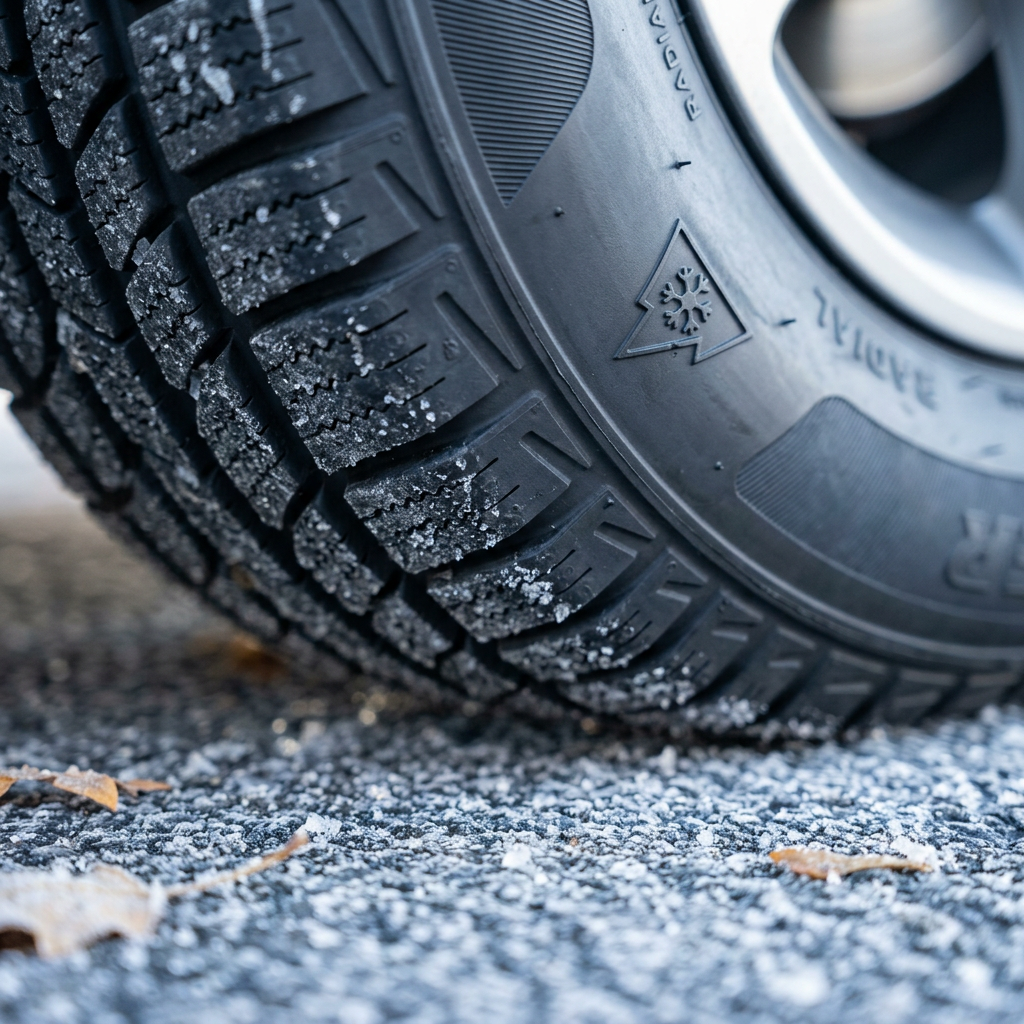
In contrast, All-Weather tires feature specialized rubber formulations high in silica and plant-based oils that remain flexible at temperatures well below freezing. Furthermore, designated all-weather and winter tires carry the industry-standard 3-Peak Mountain Snowflake (3PMSF) emblem stamped on the sidewall, confirming they have surpassed rigorous accelerated snow-traction testing protocols. Outfitted with high-density micro-siping, these tires bite into packed snow and black ice, providing exceptional directional stability along high-speed stretches of I-55 and I-80.
Chicagoland First Frost & Pre-Winter Service Checklist for I-55 and I-80 Drivers
High-speed highway commuting across Will and DuPage counties demands rigorous vehicle reliability. A minor defect easily tolerated in mild summer traffic can rapidly escalate into a dangerous highway breakdown when sub-zero winds sweep across open suburban roadways. Following a systematic pre-winter service checklist ensures maximum driver safety.
Key mechanical components to evaluate before the first freeze include serpentine belt condition, brake pad friction material thickness, steering tie-rod ball joints, exhaust flange seals, and cabin climate control heater output. Inspection of lighting elements—including high-beam headlamps, fog lights, and rear brake lamps—is equally critical for maintaining visibility during blowing snow.
Essential Suburban Commoter Checklist: • Battery Conductance & CCA Output Test • Radiator Coolant Refractometer Analysis (-30°F Target) • Engine Synthetic Oil Viscosity Verification (0W-20 Grade) • Tire Tread Depth Measurement (Minimum 5/32" required) • Windshield Washer Pump & Heated Wiper Blade Operation • EyeSight® Driver Assist Camera Lens Cleaning • Brake Pad Thickness & Brake Fluid Moisture Content Test
If your current commuter vehicle is nearing the end of its operational lifecycle and facing expensive winter repairs, consider upgrading to a dependable vehicle. You can Browse Used Inventory or check out our premium pre-owned options today.
What Should I Clear From My Vehicle Before Driving on I-55 or I-80 in Winter?
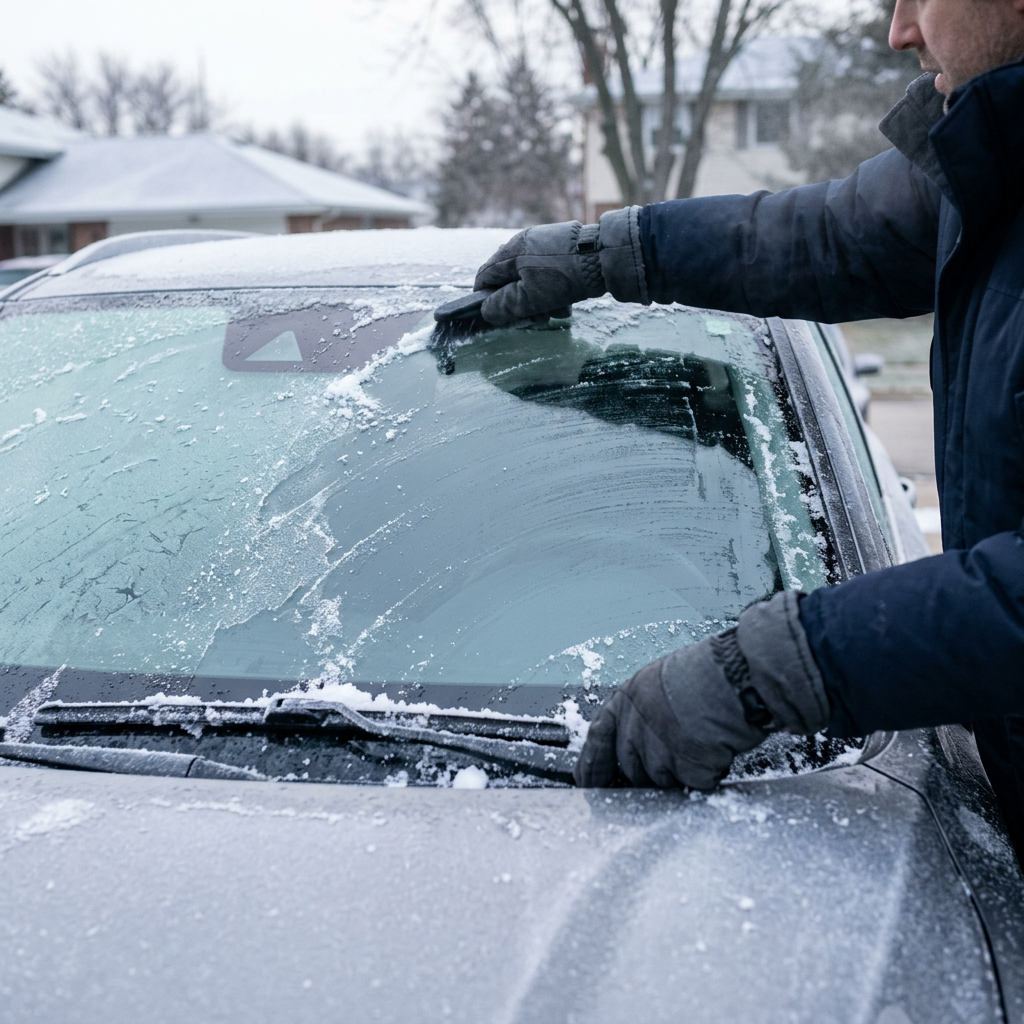
Complete Roof Snow Removal: Driving with snow or ice sheets on your roof poses a severe hazard. At highway speeds along I-55, dislodged ice blocks can fly rearward, shattering trailing windshields or blinding drivers behind you.
Clear Hood and Intake Vents: Snow accumulated across the hood can blow backward onto your windshield during acceleration, obscuring view. Blocked fresh-air intake vents also lead to persistent interior glass fogging.
Clean Safety Camera Sensors: Advanced Safety Systems like Subaru EyeSight® require clear optical paths through the upper windshield. Frost, road salt haze, or ice buildup across camera views will temporarily disable automatic pre-collision braking.
Headlights & Tail Lamps: Modern LED headlights generate minimal heat, meaning packed snow and slush will not melt off naturally. Manually wipe lamp lenses clean before pulling into high-speed commuter traffic.
How Do Brake and AWD System Inspections Protect You on Frozen Roads?
Stopping distance on icy pavement increases by up to ten times compared to dry summer asphalt. Ensuring that your braking system operates with absolute hydraulic balance and even pad contact is essential. Corrosive liquid de-icers and salt used heavily across northern Illinois cause rapid rust buildup on brake rotor faces and caliper slide pins, which can lead to sticking calipers, uneven wear, and unpredictable pulling under heavy braking.
|
Inspection Parameter
|
Standard Safety Threshold
|
Cold-Weather Operational Risk
|
|
Brake Pad Thickness
|
Minimum 4mm remaining
|
Reduced heat dissipation, metallic rotor scoring
|
|
Brake Fluid Moisture
|
Under 2% water content
|
Fluid freezing, pedal sponginess, hydraulic failure
|
|
AWD Transfer Fluid
|
Clean, uncontaminated
|
Delayed torque transfer to slipping wheels
|
|
Rotor Surface Condition
|
Smooth, rust-free contact face
|
Pulsation, extended stopping distances on ice
|
Furthermore, proper maintenance of Subaru Symmetrical All-Wheel Drive system components—such as front and rear differential fluids and transfer case clutches—guarantees instantaneous power redistribution to wheels with optimal traction when driving over unexpected patches of black ice. Interested in experiencing industry-leading winter traction firsthand? Take a moment to Browse New Inventory for the latest AWD Subaru models.
Is a Pre-Winter Vehicle Service Inspection Worth the Expense?
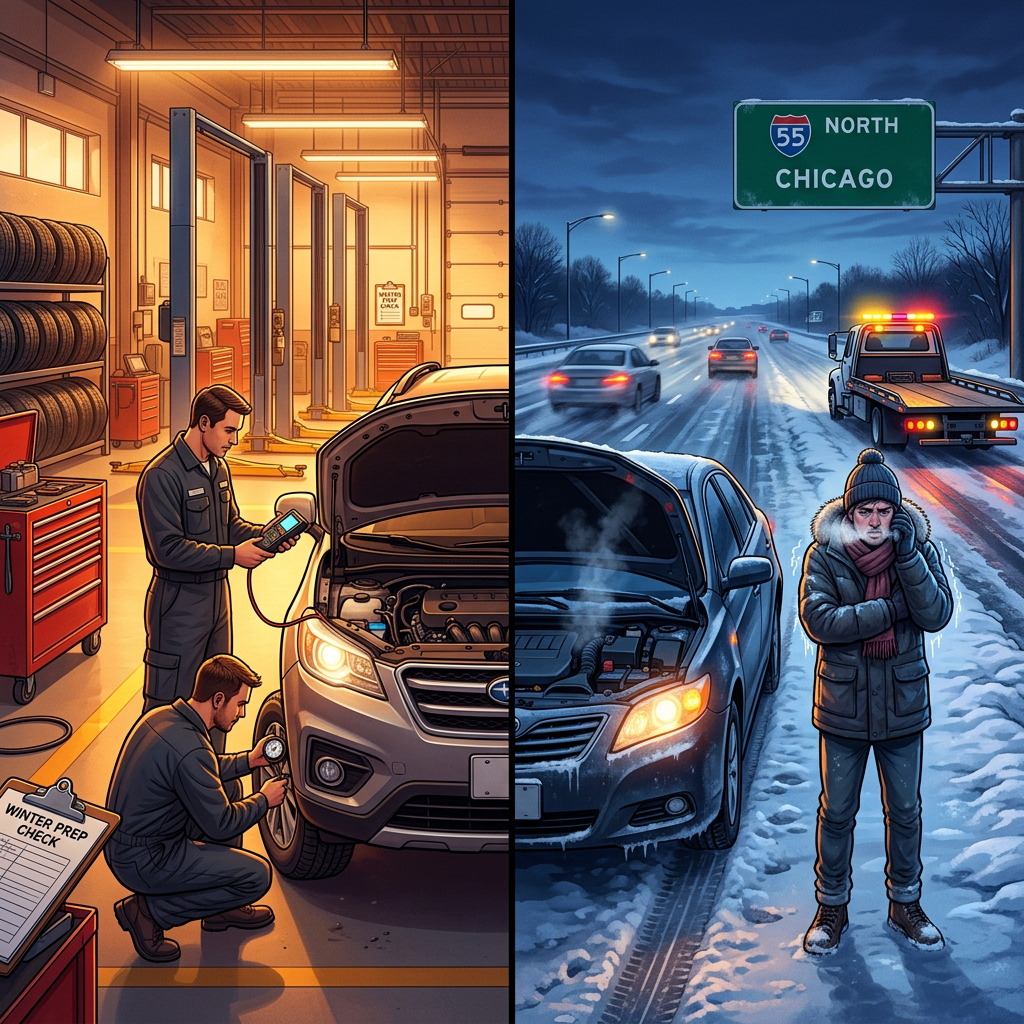
When evaluating the modest cost of a professional pre-winter multi-point service inspection against the substantial expenses associated with an emergency highway breakdown, the financial choice is clear. Emergency flatbed towing during peak winter snowstorms in suburban Chicago often costs several hundred dollars, accompanied by hours of waiting in sub-zero roadside temperatures.
Secondary costs—including emergency repair labor surcharges, missed work shifts, rental car fees, and potential engine replacement from severe freeze damage—far exceed routine maintenance fees. Proactive servicing protects both your personal safety and your financial bottom line. Flexible financing options are available if major winter repairs arise; feel free to Get Pre-Approved for Financing online.
Building an Effective Winter Emergency Kit for Suburban Chicago Commuters
Electrical Reserve & Jumper Pack: Carry a compact lithium-ion jump starter pack rated for sub-zero operation. Lithium packs allow you to jump-start your vehicle independently without waiting for assistance in extreme cold.
Thermal Survival Gear: Keep heavy fleece blankets, thermal wool socks, insulated work gloves, and hand warmers stored inside your vehicle interior rather than the trunk, ensuring immediate access if doors freeze shut.
Traction & Recovery Equipment: Stow a foldable aluminum snow shovel, heavy-duty ice scraper with brass blade, and traction mats or non-clumping cat litter to aid recovery if wheels slip into roadside snow drifts.
High-Visibility Flares: LED emergency beacons or reflective warning triangles ensure passing highway traffic can clearly see your stationary vehicle during heavy blowing snowfall or night conditions.
Hydration & Non-Perishable Food: High-calorie protein bars and insulated water flasks sustain energy during extended traffic delays or multi-hour blizzard highway closures along regional routes.
First Aid & Multi-Tool Supplies: Basic medical supplies, flashlights with extra lithium batteries, and multi-tool pliers allow quick roadside fixes and emergency minor injury treatment.
Schedule Certified Pre-Winter Service at Hawk Subaru in Plainfield, IL
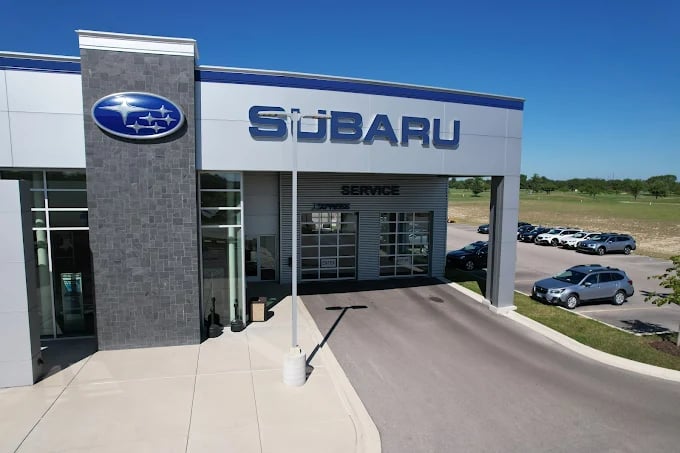
Hawk Subaru is committed to serving commuters across Plainfield, Joliet, Naperville, and surrounding Will County communities. Our state-of-the-art service facility features factory-certified technicians equipped with specialized diagnostic equipment, high-accuracy battery conductance analyzers, and factory OEM replacement parts designed specifically for your vehicle.
Whether you require a synthetic oil change, comprehensive cooling system flush, brake friction inspection, or a fresh set of winter-rated tires, our expert service team delivers fast, uncompromising service. If you are considering replacing your current vehicle, feel free to Explore Certified Pre-Owned Vehicles or contact us directly at Call (815) 725-3789.
Prepare Your Vehicle for Northern Illinois Winter at Hawk Subaru Today
Don't wait until the first severe snowstorm leaves you stranded on the side of I-55 or I-80. Take proactive steps today to safeguard your vehicle against brutal winter freezing temperatures. Visit Hawk Subaru at 2401 Rte 59 in Plainfield, IL 60586, or click below to get driving directions directly to our facility. Drivers looking to swap vehicles can also Value Your Trade-In online in minutes.