What Is the Advantage of Camera-Only Tracking Versus Radar-Based Safety Systems?
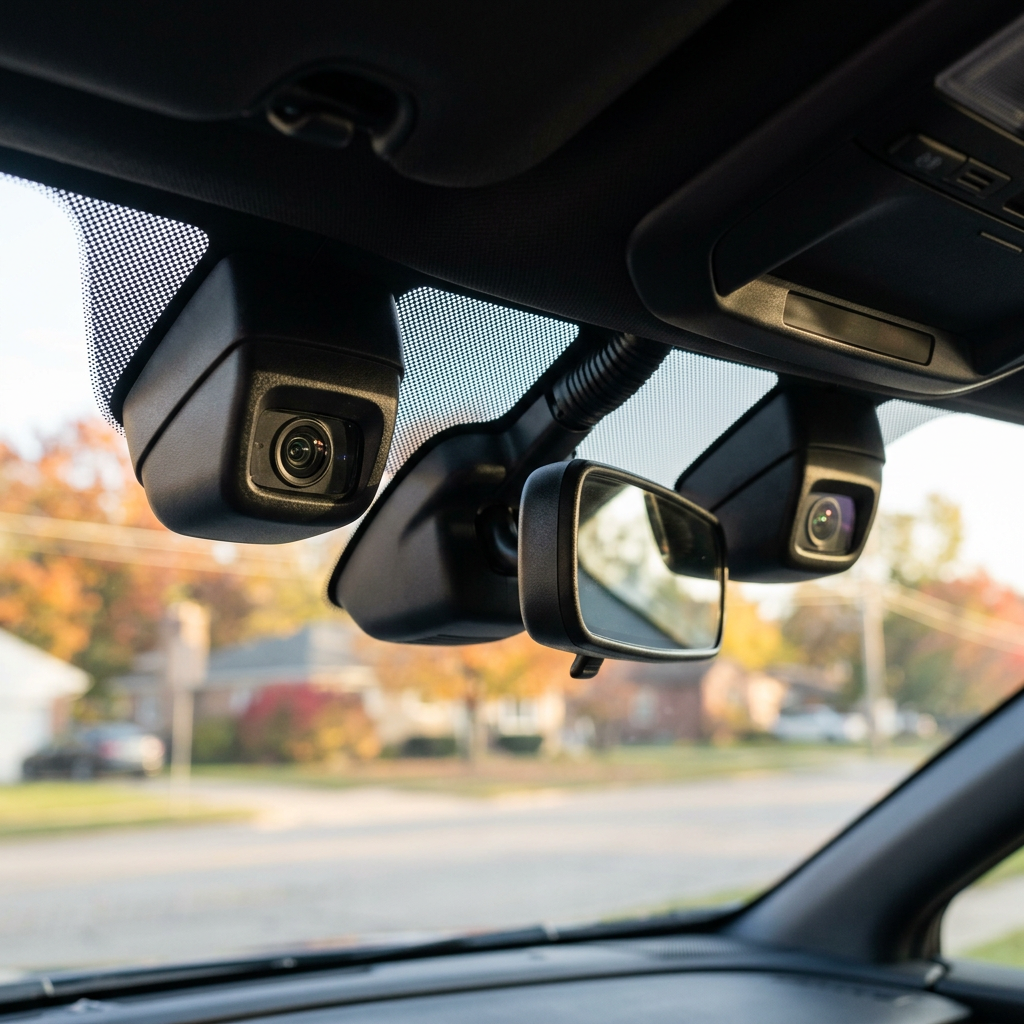
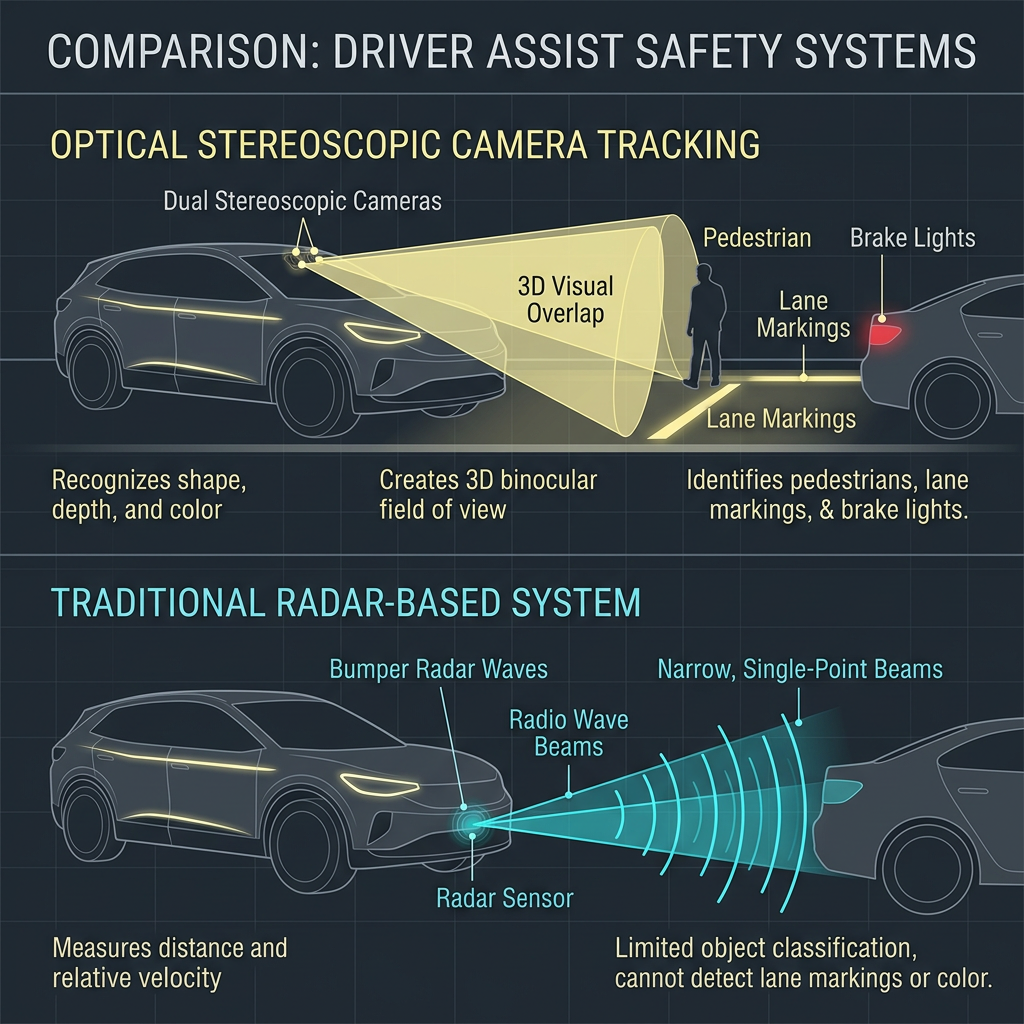
When evaluating modern driver assist safety systems, automobile buyers in Chicagoland encounter two primary sensor philosophies: front-bumper-mounted millimeter-wave radar and cabin-integrated dual optical stereoscopic cameras. While traditional automotive active safety systems relied heavily on radar sensors to bounce high-frequency radio waves off metallic objects, camera-only safety architectures like Subaru EyeSight® process full-color, high-resolution visual data that mimics human binocular vision. The core advantage of camera-only tracking lies in its ability to read optical cues—such as illuminated brake lights, painted lane markings, pedestrian silhouettes, and non-metallic roadside obstacles—that radar waves frequently miss or misinterpret. Radar sensors detect distance and relative speed exceptionally well, but they lack spatial visual recognition. A metallic soda can bouncing down Route 59 or a curved steel guardrail on I-55 can generate high radar wave reflectivity, triggering false-positive auto-braking events. Conversely, dual optical stereoscopic cameras process real-time visual frames in 3D, recognizing distinct shape profiles, brake light illumination patterns, and trajectory changes before taking preventative braking action.
How Optical Stereoscopic Cameras Compare to Traditional Radar Safety Sensors
To understand why Subaru committed to stereo optical cameras, it helps to analyze how human spatial awareness works. Humans judge depth and speed using two eyes separated by a fixed distance. Subaru EyeSight operates on identical optical principles using twin color cameras positioned near the rearview mirror. Dual Optical Stereoscopic Systems: - Process full high-definition color images at 30 frames per second. - Recognize red brake lights instantly, allowing proactive pre-collision slowdown before the lead vehicle physically decelerates. - Differentiate between pedestrians, cyclists, motorcycles, motor vehicles, and static obstacles like construction cones. - Map painted road lines (double yellow, dashed white, construction orange) across changing lighting conditions. Because optical cameras evaluate physical visual form rather than density or metallic mass, they eliminate the inherent limitations of radio-frequency detection.
Traditional Radar Safety Sensors: - Rely on radio wave returns; non-metallic objects (wood debris, animals, clothing) reflect weak signals. - Cannot read road surface paint, lane line colors, or illuminated vehicle taillights. - Exposed to bumper impacts, road salt corrosion, and slush buildup on lower grilles during Chicagoland winters.
Subaru EyeSight Technology: A Deep Dive for Chicagoland Drivers
For drivers navigating the diverse commuting conditions of Will and DuPage counties—from dense suburban arterial roads like Route 59 to open stretches of I-55—Subaru EyeSight provides a sophisticated layer of active protection. Unlike radar sensors bolted behind front grilles or lower bumpers, EyeSight's dual camera module is mounted entirely inside the passenger cabin, flush against the upper windshield glass. This architectural placement offers critical protection against physical damage, winter road salt spray, and minor parking lot taps in Plainfield. Recent generations of Subaru EyeSight feature wider field-of-view lenses, updated image processing software, and an available wide-angle mono camera that further expands peripheral detection at suburban intersections.
|
Technology Dimension
|
Subaru EyeSight (Stereo Cameras)
|
Bumper-Mounted Radar Systems
|
|
Primary Data Input
|
Full-Color High-Definition 3D Visual Images
|
77 GHz Radio Wave Reflectivity Signals
|
|
Pedestrian & Cyclist Recognition
|
High (Recognizes physical shape, motion, contours)
|
Moderate to Low (Depends on metallic reflection)
|
|
Brake Light Detection
|
Instantaneous (Identifies red lens illumination)
|
None (Cannot perceive color or light output)
|
|
Environmental Exposure
|
Protected inside heated cabin windshield area
|
Exposed on lower bumper; prone to ice & salt coating
|
|
Minor Collision Impact Cost
|
Lower (Cameras remain safe behind glass)
|
Higher (Bumper sensors frequently break in minor bumps)
|
What Safety Features Are Included in Subaru EyeSight Driver Assist Technology?
Pre-Collision Protection
Pre-Collision Braking: Applies automatic full braking force in emergency scenarios to bring the vehicle to a complete stop before impact. Pre-Collision Throttle Management: Detects obstacles in front of the vehicle and reduces engine power output if you accidentally place the vehicle in Drive instead of Reverse when parked.
Intelligent Cruise & Centering
Adaptive Cruise Control with Lane Centering: Automatically maintains a set distance from vehicles ahead while actively keeping your Subaru centered within lane markings during highway traffic on I-55. Lane Keep Assist & Departure Warning: Monitors lane position and provides steering adjustments if drifting occurs without turn signals.
Commuter Alert Systems
Lead Vehicle Start Alert: Alerts the driver with a gentle audible chime when traffic ahead resumes moving at stoplights or train crossings. Automatic Emergency Steering: Works alongside Pre-Collision Braking at speeds under 50 mph to assist steering clear of obstacles when space permits.
What EyeSight Features Come Standard on the 2027 Subaru Forester, and What Is Its Starting MSRP?
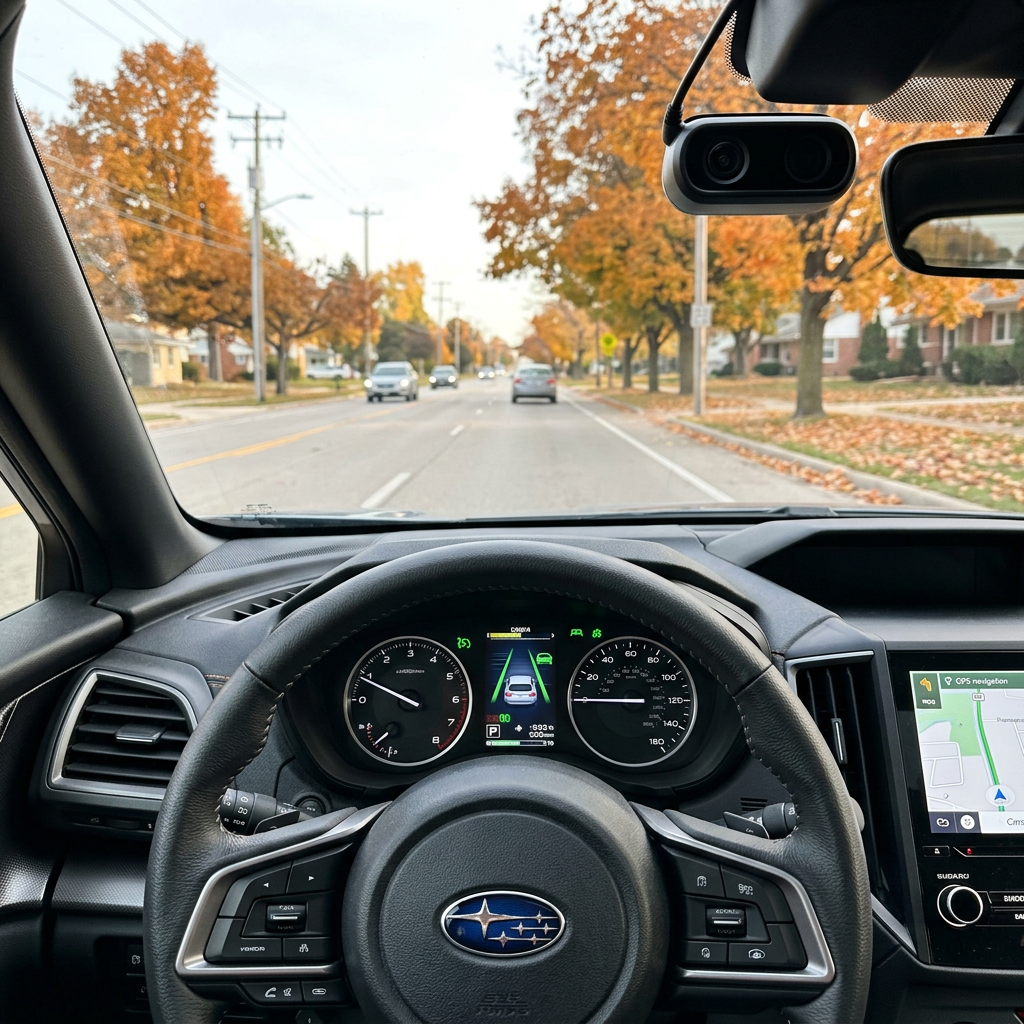
Subaru continues its commitment to uncompromised passenger protection by equipping every trim level of the 2027 Subaru Forester with standard Subaru EyeSight Driver Assist Technology. Unlike luxury competitors that lock essential collision prevention features behind costly option packages, Subaru makes advanced camera safety standard across the entire model line. For 2027, the Forester incorporates Subaru's newest generation EyeSight software featuring a wide-angle mono camera integrated alongside the primary stereo setup. This enhanced hardware array broadens the system's field of view to catch pedestrians entering crosswalks or cyclists approaching fast from blind angles around downtown Plainfield. Drivers evaluating total vehicle value will find that competitive starting price points combined with high resale ratings make the Forester one of the most cost-effective crossovers on the market.
2027 Subaru Forester Model Overview:- Base Trim MSRP: Starting around $30,000 to $31,500 (Estimated Manufacturer Suggested Retail Price). - Standard Safety Highlights: Advanced Adaptive Cruise Control with Lane Centering, Pre-Collision Braking, Lane Departure Warning, Lead Vehicle Start Alert. - Available Premium Safety Upgrades: Blind-Spot Detection with Lane Change Assist, Rear Cross-Traffic Alert, Reverse Automatic Braking, and DriverFocus® Distraction Mitigation System. Planning to upgrade your family commute? You can Value Your Trade-In online before visiting Hawk Subaru.
|
2027 Forester Trim
|
Standard EyeSight Features
|
Key Safety Options
|
|
Base
|
Standard Dual-Camera EyeSight, Pre-Collision Braking, Adaptive Cruise
|
Blind-Spot Detection Available
|
|
Premium
|
Standard Dual-Camera EyeSight + Emergency Automatic Steering
|
Blind-Spot Detection & Rear Cross-Traffic Alert
|
|
Sport
|
Standard Enhanced EyeSight Array with Wide-Angle Mono Camera
|
Standard Blind-Spot Detection & Emergency Steering
|
|
Limited
|
Standard Wide-Angle EyeSight + Lane Centering Assist
|
Reverse Automatic Braking Standard
|
|
Touring
|
Standard Complete EyeSight Suite + DriverFocus Monitoring
|
360-Degree Surround View Monitor Standard
|
How Does Subaru EyeSight Perform in Severe Chicagoland Weather Like Snow, Ice, and Rain?
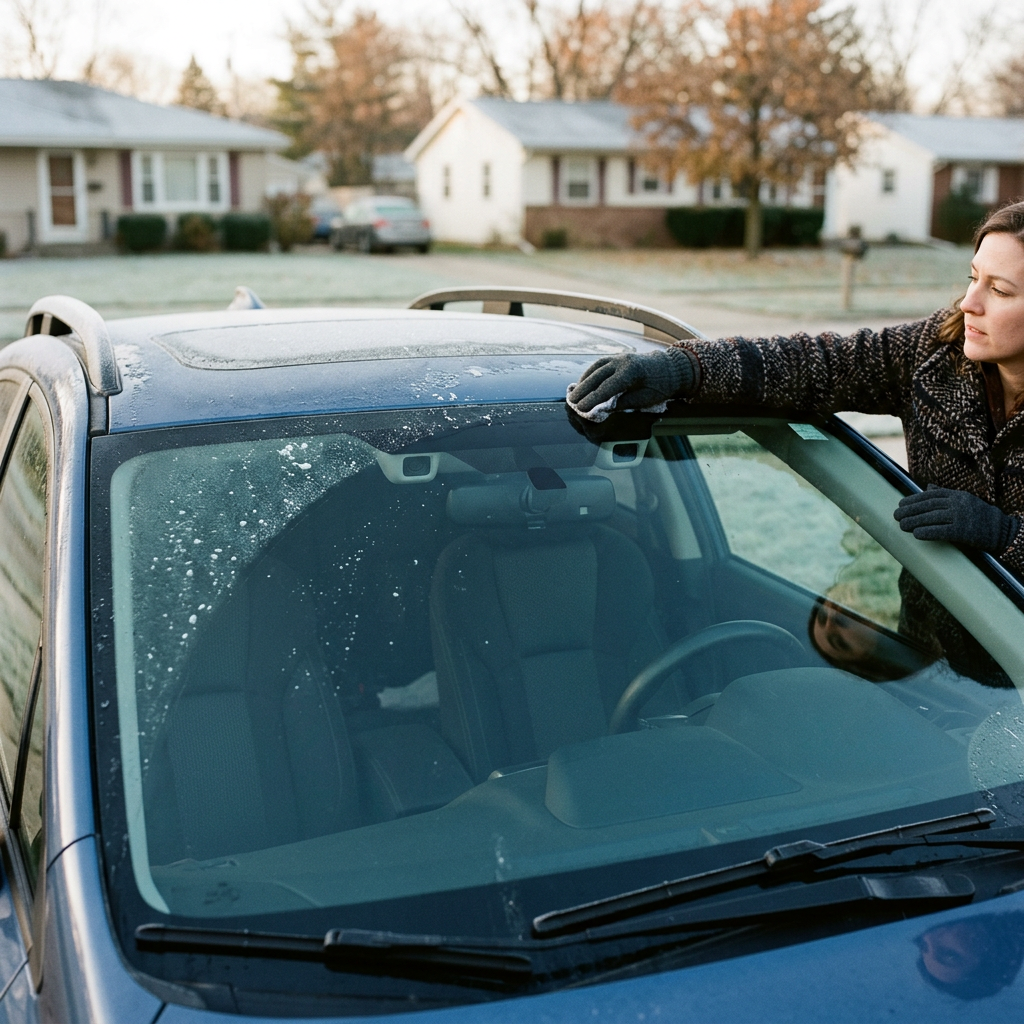
Winter in Plainfield, Naperville, and Joliet brings sub-zero temperatures, freezing rain, slush, and heavy lake-effect snowfall. Drivers often ask: How do camera safety systems handle severe weather compared to radar? External radar units mounted in front grilles or lower bumper valances face severe operational challenges during Midwest winters. As slush and road salt accumulate on the front bumper, dielectric radar attenuation occurs—blocking high-frequency radio waves from returning accurately. When bumper radar becomes caked in slush, the system typically shuts down silently or triggers sensor obstruction errors. Subaru EyeSight handles extreme weather through intelligent interior cabin packaging. Because the camera lenses sit flush behind the top of the front windshield, they operate within the wiper sweep zone and benefit directly from the cabin defroster heat. Heated glass elements surrounding the camera lenses prevent frost and condensation build-up. If extreme blizzards or heavy fog temporarily obscure human visibility to the point where the cameras cannot distinguish lane markers or vehicles, EyeSight alerts the driver with a visual multi-information display warning and temporary system standby status. The system fail-safes gracefully, restoring manual driver control without unexpected braking spikes.
How Can Drivers Clear Windshield Ice or Fog Blocking EyeSight Cameras?
If freezing rain or interior windshield fog triggers an EyeSight temporary disable warning during your morning start, follow these manufacturer-recommended maintenance steps: 1. Engage Front Windshield Defrost: Turn your climate system to front defrost with high fan speed and A/C engaged. The dehumidified warm air rapidly clears interior glass condensation and exterior windshield frost. 2. Activate Heated Wiper Park / De-Icer: Utilize your Subaru vehicle's heated windshield wiper park feature to melt ice resting along the lower blade edges. 3. Use Recommended Washer Fluid: Fill your washer reservoir with winter-grade anti-freeze washer fluid to clear salt haze without streaking. 4. Avoid Aftermarket Tint & Bumper Covers: Never apply dark windshield tint strips across the upper glass area, as optical distortion will disrupt camera calibration. If you notice persistent warning lights or require windshield glass replacement, Schedule Your Service Today with certified Subaru technicians at Hawk Subaru.
What Safety Feature Discounts Do Auto Insurers Commonly Offer for EyeSight Vehicles?
IIHS Top Safety Pick
Subaru models equipped with EyeSight consistently earn top marks from the Insurance Institute for Highway Safety (IIHS). Insurance carriers reward these high ratings with lower comprehensive and collision base premiums.
Reduced Collision Rates
IIHS research indicates that Subaru EyeSight reduces rear-end collisions with injuries by up to 85%. Insurers pass these savings along through discounts on Bodily Injury Liability policies.
Total Ownership Savings
Major insurance providers offer explicit discounts ranging from 5% to 15% for active Forward Collision Warning and Automatic Emergency Braking equipment installed as standard hardware.
Comparing Alignment, Windshield Replacement, and Repair Costs: Camera vs. Radar
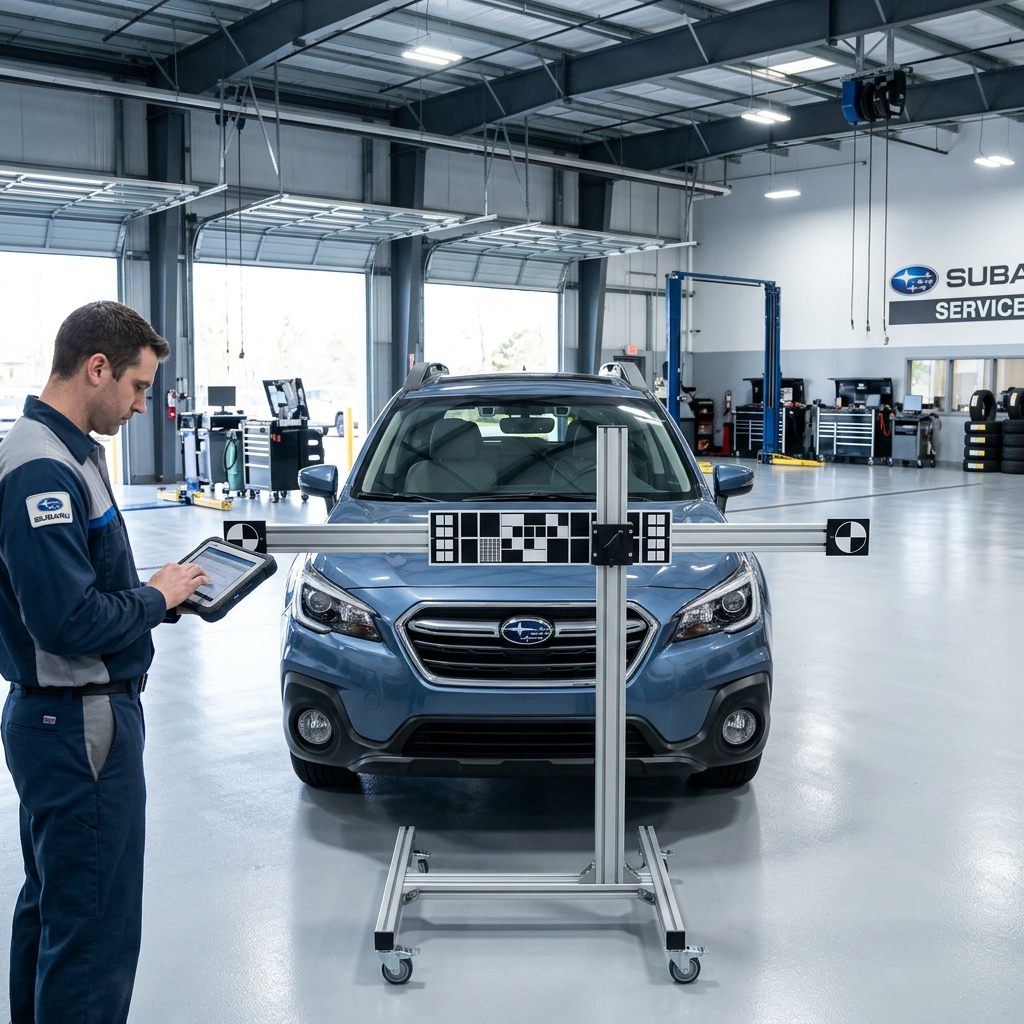
Long-term cost of ownership is a critical factor when evaluating vehicle safety technology. Lower bumper radar units are vulnerable to minor fender benders, shopping cart impacts, and curb taps during parallel parking. Replacing a damaged radar sensor module, recalibrating its beam, and replacing bumper fascia can cost thousands of dollars. In contrast, Subaru EyeSight cameras reside safely inside the vehicle cabin behind the windshield glass. Unless the upper windshield glass suffers severe impact damage, minor parking lot bumps will not harm the camera assembly. When windshield glass replacement is required due to highway stone chips, Hawk Subaru provides factory OEM glass installation and precision stereo camera recalibration using certified optical targets to ensure system accuracy.
Evaluating Pedestrian, Cyclist, and Animal Detection in Suburban Traffic
Suburban driving in Plainfield often involves unexpected road hazards—children crossing near neighborhood parks, cyclists commuting along downtown streets, and deer darting across roads near forest preserves. Camera-only tracking systems outshine traditional radar when detecting soft, non-metallic targets. Radar signals rely on radio wave reflections from dense metal objects (such as car bumpers or engine blocks). Human bodies, clothing, and animals reflect minimal radar energy, making radar-only pedestrian detection less reliable at night or at oblique angles. Subaru EyeSight processes full visual silhouettes, recognizing human gait, bicycle wheels, and animal forms. By identifying shape patterns and optical movement vectors, EyeSight initiates Pre-Collision Braking significantly faster in suburban neighborhoods. Looking for a reliable pre-owned vehicle equipped with EyeSight technology? You can Explore Certified Pre-Owned Vehicles at Hawk Subaru today.
Navigating I-55, Route 59, and Local Commutes with Advanced Driver Assist Systems
I-55 Expressway Driving
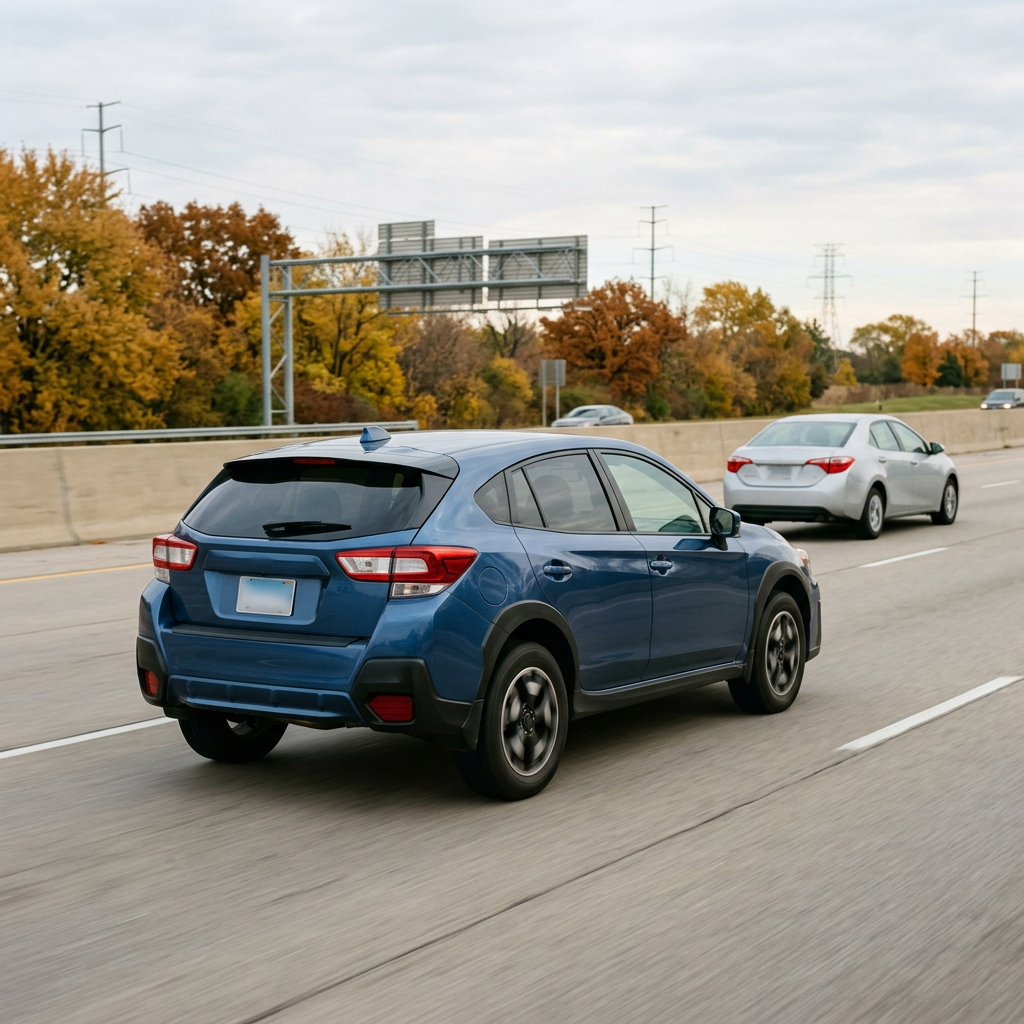
During high-speed travel between Joliet and Naperville, Adaptive Cruise Control regulates distance smoothly, preventing sudden abrupt braking when vehicles merge ahead.
Route 59 Traffic Zones
Stop-and-go suburban rush hour becomes stress-free with Lead Vehicle Start Alert and Lane Centering maintaining smooth lane positioning through construction bends.
Downtown Plainfield
Low-speed Pre-Collision Braking protects pedestrians and reversing vehicles in busy shopping centers and restaurant parking corridors along Route 59.
Experience Subaru EyeSight Driver Assist Safety in Person at Hawk Subaru in Plainfield
The clear advantage of camera-only tracking lies in its human-like visual perception, lower hardware damage risk, superior non-metallic detection, and proven reliability in severe Chicagoland weather. By processing full-color stereoscopic images inside the protected windshield glass, Subaru EyeSight delivers unmatched peace of mind for you and your family. Ready to experience standard EyeSight protection on a test drive? Visit our team at Hawk Subaru today. You can Get Directions to Hawk Subaru, check out our current new Forester models online, or Call us at (815) 725-3789 to speak with a Subaru technology specialist.