The Short Answer: Why Dedicated Winter Tires Are Worth It for I-55 and I-80 Commuters
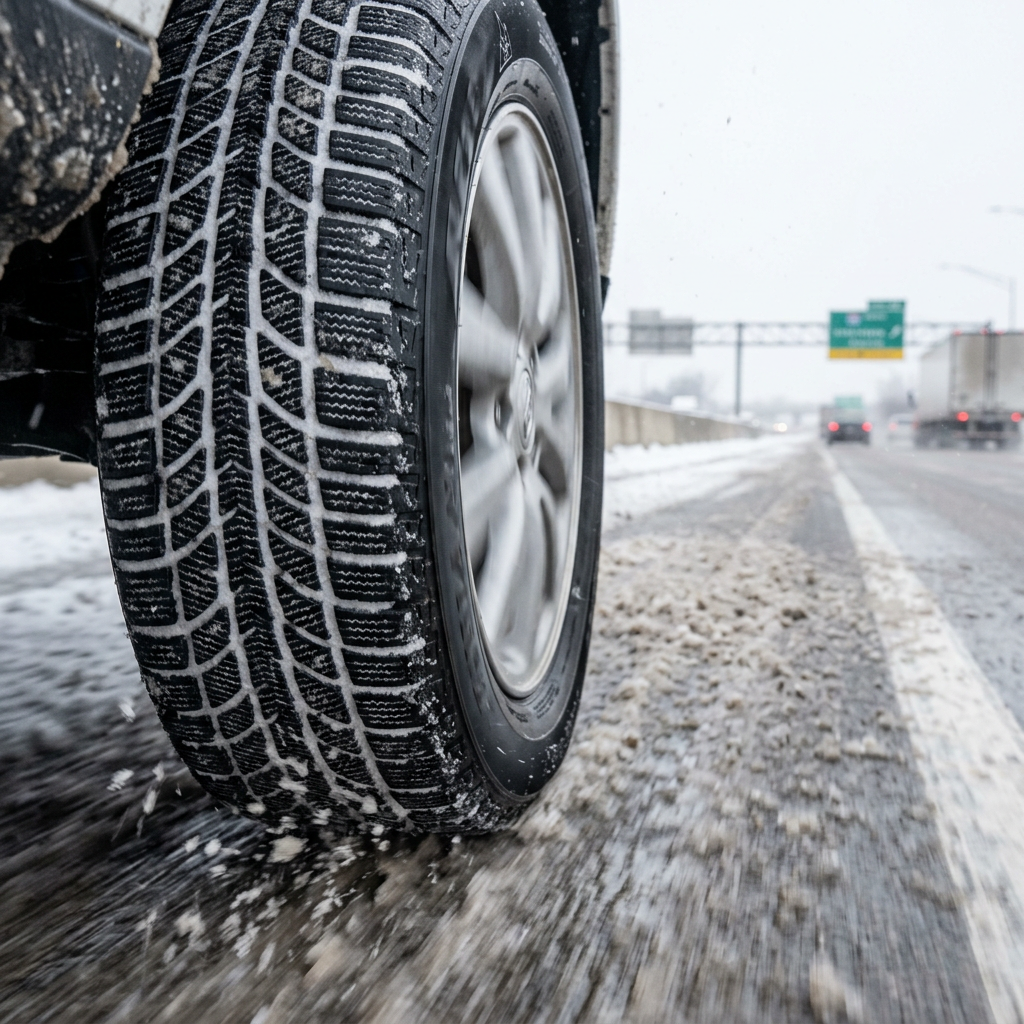
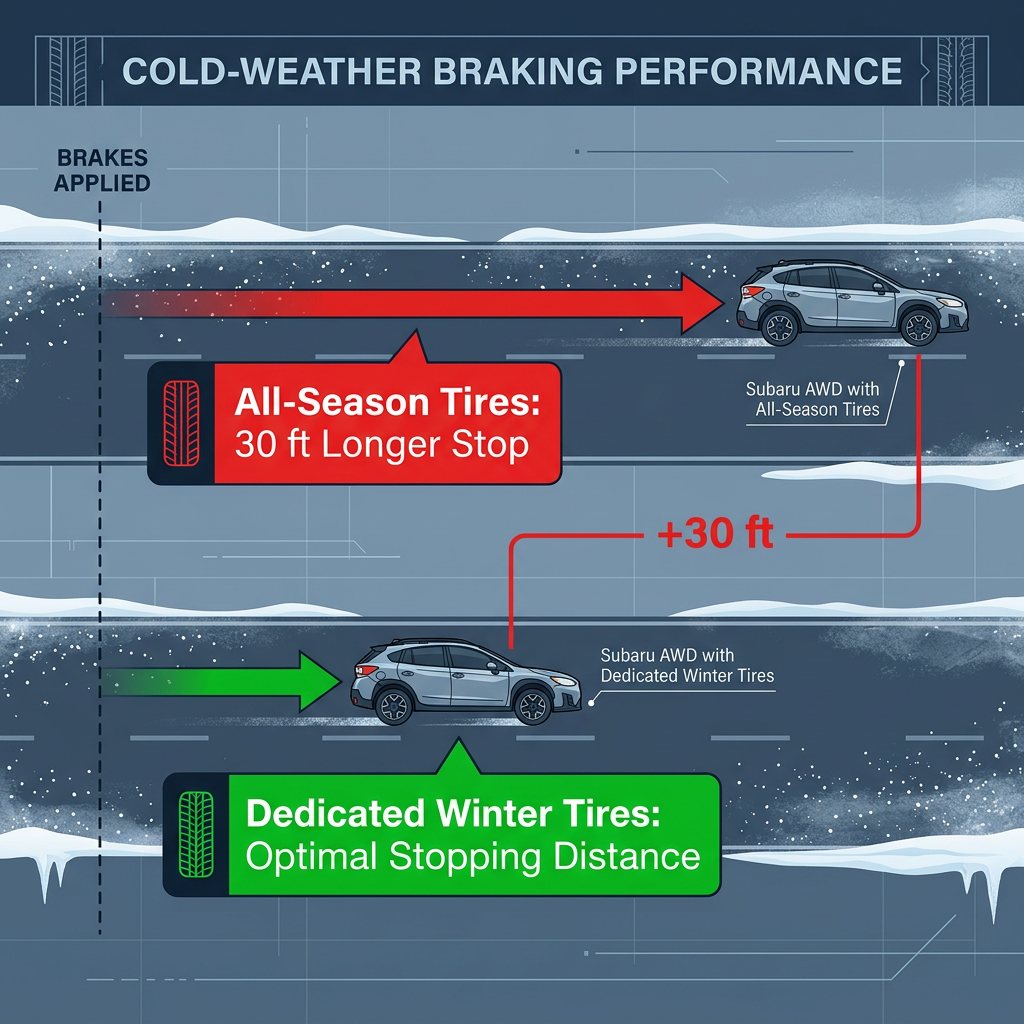
If you drive the daily commuter corridors of Interstate 55 and Interstate 80 between Plainfield, Joliet, and Naperville, the quick answer is an emphatic yes. Investing in a dedicated set of winter tires is one of the single most effective upgrades you can make for vehicle safety, control, and peace of mind during northern Illinois winters. While all-season tires are designed to compromise across a wide spectrum of temperatures, specialized winter rubber compounds remain soft and pliable when ambient temperatures drop below 45°F. On frozen highway pavement, this compound elasticity translates directly into grip—reducing stopping distances on packed snow and black ice by up to 30 feet compared to standard all-season tires.
Consider what a 30-foot difference means when traveling at highway speeds near the I-55/I-80 interchange during peak traffic hours. Thirty feet is roughly two full car lengths—the exact distance between a safe emergency stop and a multi-vehicle pileup on slick pavement. At Hawk Subaru in Plainfield, we regularly help commuters choose tire solutions that safeguard their families while preserving vehicle performance. Before freezing temperatures arrive, winterizing your vehicle is an essential step toward stress-free cold-weather travel.
High-Speed Winter Driving on I-55 & I-80: The Physics of Cold Weather Traction
Understanding tire performance starts with chemical physics. All-season tires use rubber compounds optimized for warm to moderate temperatures. When ambient air drops below the 45°F threshold, these rubber compounds undergo a glass transition state, stiffening dramatically. Hard rubber cannot conform to micro-imperfections in the asphalt, turning your tires into rigid cylinders that skip over frozen road textures rather than biting into them. On high-speed expressways like I-55 and I-80, hardened rubber leads to longer braking distances and reduced lateral cornering stability.
Dedicated winter tires are engineered differently. They utilize hydrophilic silica-rich rubber compounds that maintain flexibility even in sub-zero Chicagoland freezes. In addition to compound chemistry, winter tires feature aggressive directional tread patterns with thousands of microscopic horizontal slits known as sipes. These sipes open up as the tire rotates, biting into snow and ice while channeling away slush and standing water. When driving 55-65 MPH between Naperville and Joliet, this hydraulic evacuation prevents hydroplaning and ensures maximum rubber contact on icy highway lanes.
Does AWD Help a Vehicle Stop Faster on Snow or Ice?
One of the most persistent winter driving myths is that All-Wheel Drive (AWD) helps a vehicle stop faster in snow or ice. It does not. AWD systems—including Subaru's legendary Symmetrical All-Wheel Drive—distribute engine torque to all four wheels during acceleration and directional control. This provides unmatched acceleration out of snowbanks and stability around slippery curves along I-80. However, all vehicles have four-wheel braking systems regardless of drivetrain. When you press the brake pedal, AWD plays zero role in slowing the vehicle down.
Deceleration relies exclusively on the friction coefficient between your tires and the road surface. An AWD SUV fitted with worn all-season tires will take significantly longer to come to a complete stop on black ice than a front-wheel-drive sedan equipped with dedicated winter tires. Pairing Subaru Symmetrical AWD with dedicated winter tires yields the ultimate winter driving setup: maximum acceleration capability combined with optimal stopping power. If you are shopping for a winter-ready vehicle, feel free to Browse New Inventory at Hawk Subaru to experience AWD engineering firsthand.
Financial ROI: How Owning Two Sets of Tires Extends Tread Life and Saves Money
Extended Tire Lifespan
Purchasing dedicated winter tires does not increase your overall long-term tire expenditure as much as it divides it. When running winter tires for 4 to 5 months each year (November through March), your standard all-season or summer tires rest safely in storage. This effectively doubles the lifespan of both sets, spreading replacement costs across 6 to 8 total years for average commuters traveling I-55 daily.
Deductible Prevention
A single minor low-traction slide into a guardrail or snowbank on I-80 can easily cost $500 to $1,000 in auto insurance deductibles, not to mention increased premium rates for years after. Winter tires act as direct preventive insurance against collision repair expenses, rim damage from unseen potholes, and costly towing bills during major Chicagoland blizzards.
Fuel & Wear Efficiency
Operating summer or all-season tires in freezing temperatures causes micro-cracking and rapid rubber degradation due to thermo-mechanical strain. Keeping temperature-appropriate rubber on your vehicle maximizes rolling efficiency, protects wheel bearings, and preserves underlying suspension components. If you are considering upgrading your vehicle or wheel setup, you can Value Your Trade-In online today.
Chicagoland First Frost Prep: Essential Pre-Winter AWD and Battery Check for I-55 & I-80 Commuters
Northern Illinois weather transitions rapidly in late autumn. October and November often bring sudden overnight freezes that transform wet pavement on I-55 bridges into invisible black ice. Preparing your vehicle before the first hard frost is critical for avoiding morning commuting delays between Plainfield and downtown Chicago or Joliet.
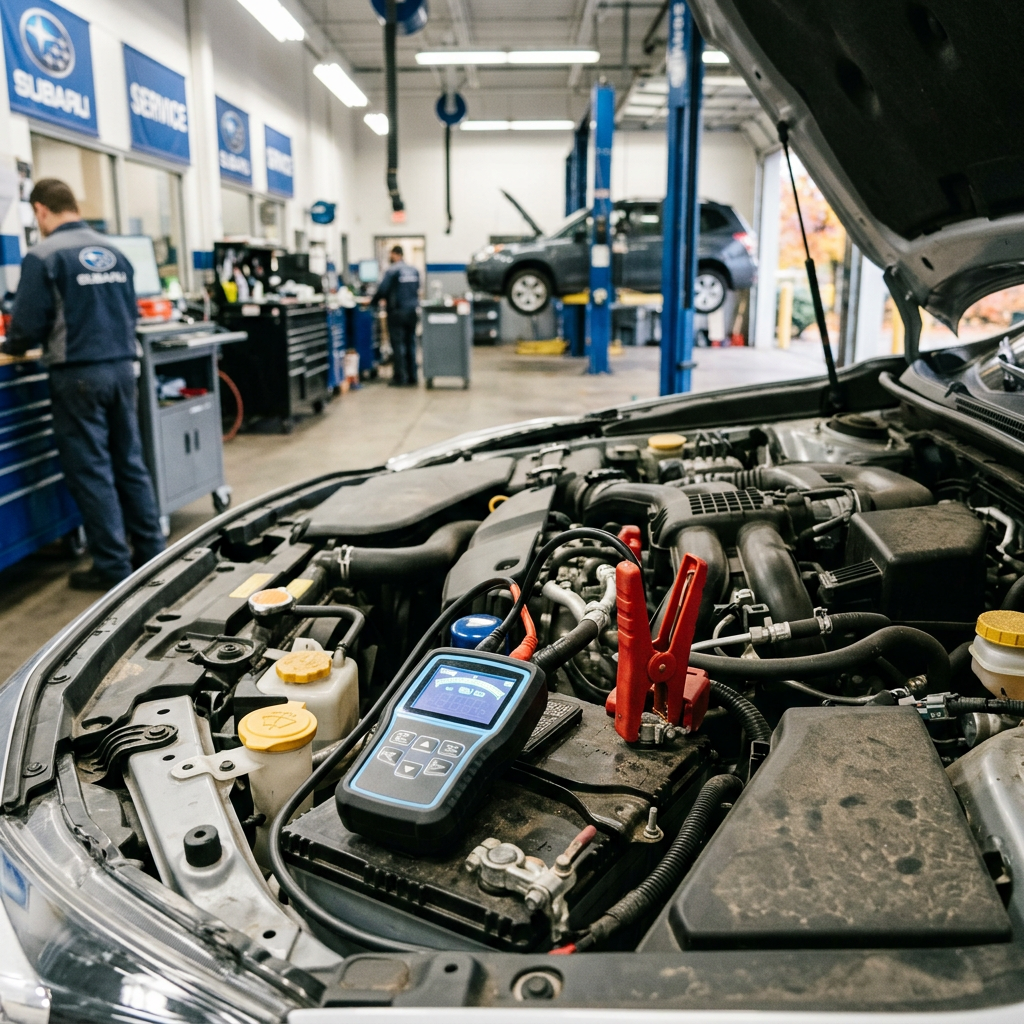
A comprehensive pre-winter checkup goes beyond swapping tires. Your vehicle’s Symmetrical AWD system relies on clean differential fluid and transfer case lubricants to manage mechanical torque effectively under sub-zero stress. Concurrently, early seasonal battery testing ensures your electrical system has the reserves needed to crank a cold engine after sitting overnight in freezing temperatures. Drivers looking for reliable options can also explore our range of pre-owned vehicles; feel free to Browse Used Inventory or visit our Plainfield showroom.
How Does Cold Weather Reduce a Battery's Total Cranking Power?
Automotive lead-acid batteries rely on internal chemical reactions to generate electron flow. Cold temperatures dramatically slow these chemical processes down. At 32°F, a standard vehicle battery loses approximately 20% to 30% of its total Cold Cranking Amps (CCA). When temperatures drop to 0°F during bitter Chicagoland cold snaps, available cranking power plunges by 50% or more. An older battery that performed adequately during warm summer months may suddenly fail to provide the voltage necessary to initiate ignition on a cold winter morning.
Compounding the drop in battery output is the increased mechanical load from the engine itself. Engine oil thickens significantly in sub-freezing temperatures, creating heavy viscous drag on internal crankshafts and pistons. Consequently, your battery must deliver substantially more current to turn over a cold engine at the exact moment its chemical capacity is at its absolute lowest. Having your battery conductance tested at Hawk Subaru before winter ensures you aren't stranded along I-55 in sub-zero weather.
What Are the Warning Signs of a Weak Car Battery Before It Completely Fails in Cold Weather?
Slow Engine Crank
If turning the key or pressing the start button produces a sluggish, 'rrb-rrb-rrb' cranking sound before the engine fires, your battery is struggling to supply adequate amperage. This slow turn-over is the primary indicator of depleted battery reserves.
Dim Lights & Electrical Issues
Flickering cabin lights, dimming headlights at idle, or slow-moving power windows signal unstable system voltage. Rapid clicking sounds when engaging the starter motor indicate insufficient holding current to maintain solenoid engagement.
Dashboard Warning Lights
An illuminated battery icon or check engine light on your instrument cluster should never be ignored. Physical signs like white corrosive buildup on terminals or a swollen battery case also demand immediate replacement. Need authentic replacement parts? Check our Parts Center for direct assistance.
Does AWD Decrease Vehicle Fuel Economy During Winter Commuting?
A common concern for high-mileage commuters traveling I-80 between Joliet and Naperville is winter fuel efficiency. While All-Wheel Drive systems do add minor drivetrain inertia and parasitic loss, winter MPG drops are primarily caused by environmental and chemical factors rather than AWD mechanics. Dense winter air creates greater aerodynamic drag, while winter-blend gasoline contains lower energy density due to higher ethanol and butane content designed to aid cold starting.
Additionally, ambient air pressure drops approximately 1 PSI for every 10°F drop in temperature. Driving on under-inflated tires increases rolling resistance significantly, compounding fuel losses. To maximize winter MPG, keep tires properly inflated to door-jamb specifications, minimize excessive engine idling, and maintain regular vehicle servicing. For quality replacement components and fluid service, visit our Parts Center.
Is a Multi-Point Winter Inspection Worth the Cost Before the First Freeze?
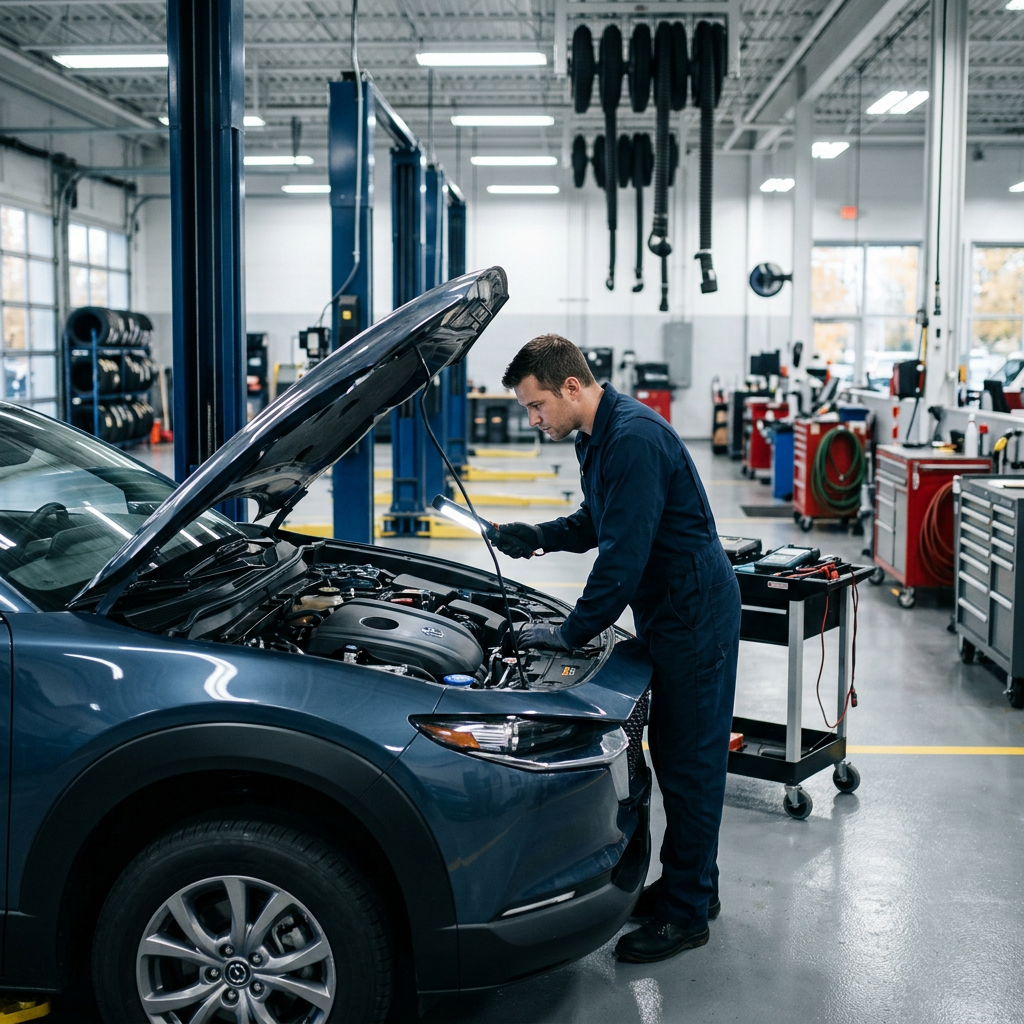
A pre-winter multi-point inspection is an inexpensive investment that prevents costly highway breakdowns and hazardous situations on I-55. Factory-trained technicians review high-risk winter vulnerability points that average vehicle owners might easily overlook.
|
Inspection Item
|
Winter Failure Risk
|
Recommended Maintenance Action
|
|
Engine Coolant / Antifreeze
|
Engine block cracking due to fluid freezing
|
Test hydrometer freeze point protection down to -30°F
|
|
Brake System & Rotor Surfaces
|
Uneven pull or increased stopping distance on ice
|
Measure pad thickness & inspect lines for fluid leaks
|
|
Wiper Blades & Washer Fluid
|
Streaking windshield slush causing blinding glare
|
Install beam-style winter blades & sub-zero washer fluid
|
|
Suspension & Alignment
|
Accelerated tire wear & erratic highway tracking
|
Laser alignment check & bushing wear test
|
What Essential Emergency Items Should Be Kept in a Trunk for I-55 or I-80 Winter Breakdowns?
Power & Jump Start Kit
Always carry heavy-duty 8-gauge jumper cables or a portable lithium-ion jump starter pack rated for sub-zero starts. A high-lumen LED flashlight and portable phone charger ensure emergency communication lines remain open during prolonged highway delays.
Traction & Recovery Gear
Keep a compact folding aluminum snow shovel, lightweight traction boards, or a bag of coarse cat litter/sand in your trunk. These tools provide instant wheel traction if your vehicle slides into a heavy snowbank off an I-80 exit ramp.
Warmth & Visibility Safety
Pack thermal Mylar blankets, insulated gloves, hand warmers, non-perishable snack bars, and extra sub-zero washer fluid. Reflective LED safety flares are essential for ensuring passing traffic sees your vehicle on dark winter shoulders.
All-Weather vs. Dedicated Winter Tires: Choosing the Right Option for Naperville and Joliet Drivers
Choosing between All-Weather tires (bearing the 3-Peak Mountain Snowflake / 3PMSF symbol) and Dedicated Winter tires (such as Bridgestone Blizzak or Michelin X-Ice) comes down to your driving habits and schedule. All-weather tires offer a year-round compromise; their rubber compound tolerates freezing temperatures better than standard all-seasons without requiring semi-annual tire changeovers.
However, for daily commuters on I-55 and I-80 who must drive regardless of weather conditions—such as healthcare workers, emergency responders, or early shift workers—dedicated winter tires remain the gold standard. Dedicated winter tires deliver maximum braking traction on black ice and unplowed highway lanes. If you are shopping for reliable high-traction AWD vehicles, feel free to Explore Certified Pre-Owned Vehicles at Hawk Subaru.
Winter Tire Storage and Seasonal Changeover Services at Hawk Subaru in Plainfield
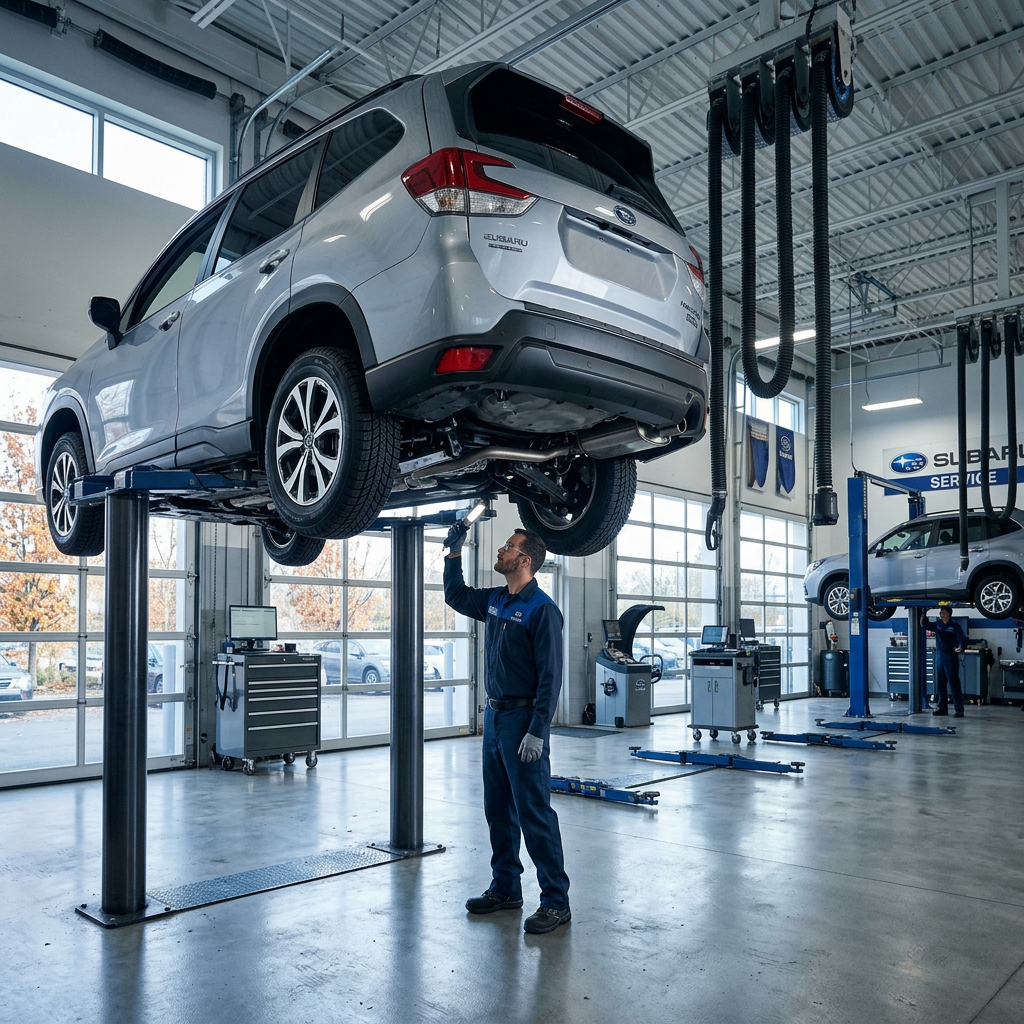
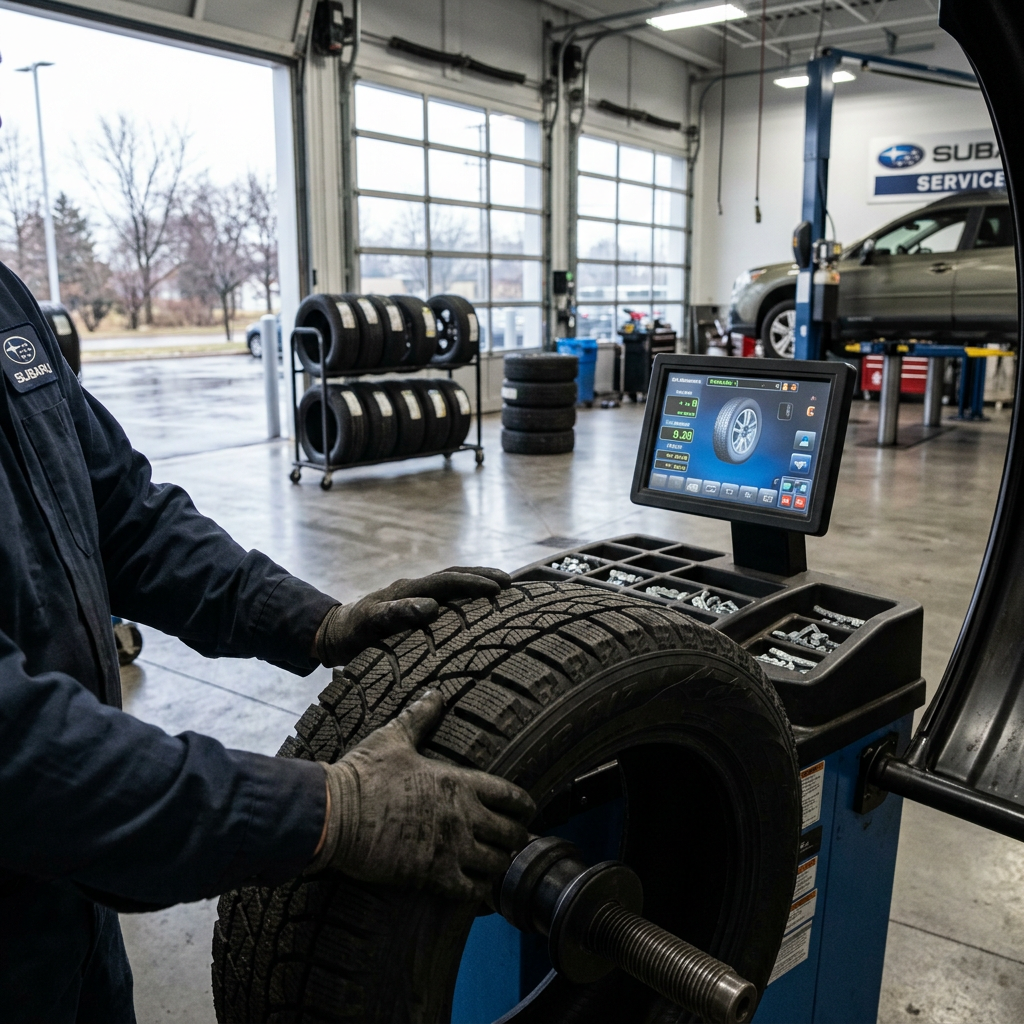
At Hawk Subaru in Plainfield, we make seasonal tire changeovers effortless. Our factory-certified technicians provide expert mounting, high-speed computerized balancing, and TPMS sensor recalibration to ensure seamless winter operation. Proper balancing is vital for high-speed I-55 travel, eliminating vibrations that cause uneven tread wear.
We also guide customers on proper off-season tire storage. Storing unmounted rubber in climate-controlled environments away from direct sunlight and ozone sources preserves chemical integrity, preventing premature sidewall cracking. Contact our team to Call us at (815) 725-3789 or stop by to discuss customized winter tire and wheel packages tailored to your vehicle.
Schedule Your Pre-Winter Inspection and Tire Fitting at Hawk Subaru Today
Don't wait until the first major Chicagoland snowstorm causes multi-mile delays on I-55 or I-80. Prepare your vehicle today with dedicated winter tires, battery testing, and a comprehensive pre-winter inspection at Hawk Subaru in Plainfield, IL. Conveniently located at 2401 Rte 59, our dealership is equipped with state-of-the-art diagnostic tools and factory-trained specialists dedicated to your winter driving safety.