Recommended Winter Tires for Your Subaru Outback or Forester: Quick Expert Guidance
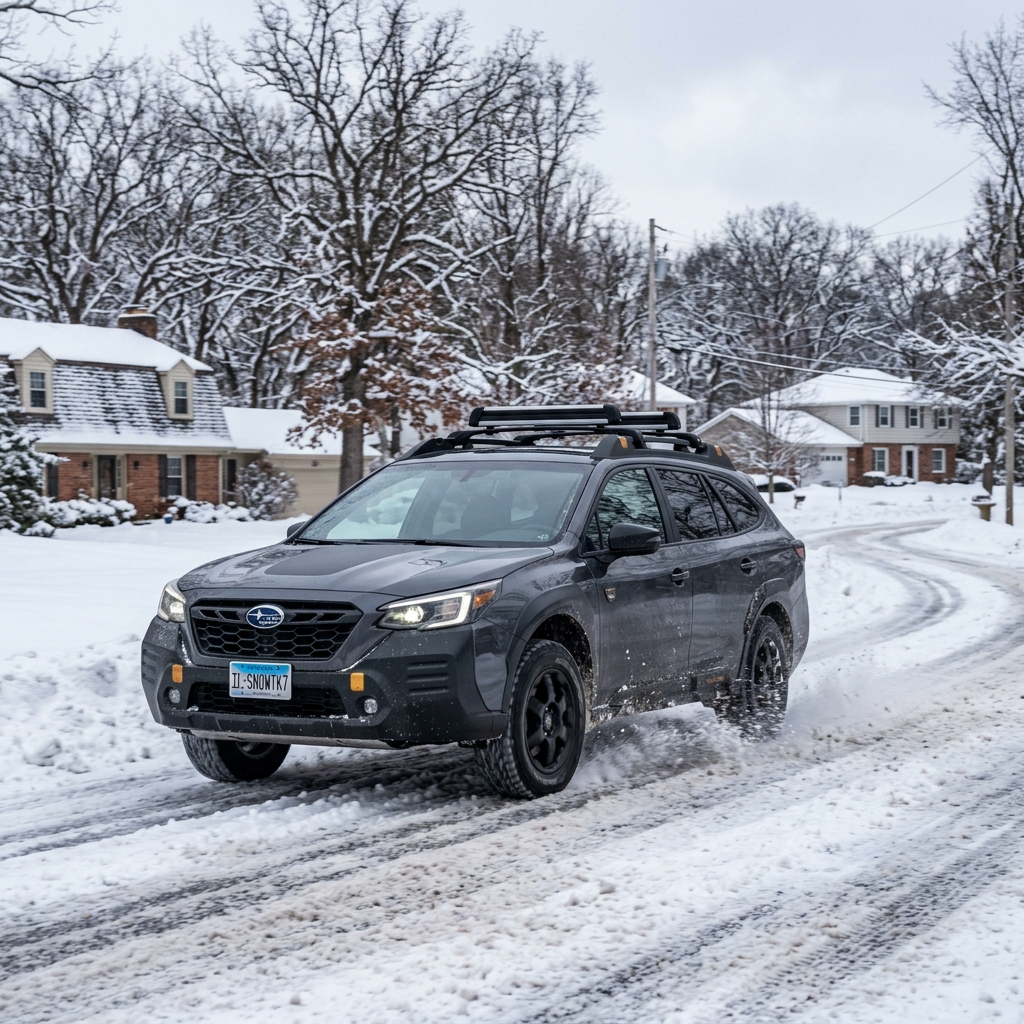
When Northern Illinois winter arrives, drivers across Plainfield, Joliet, and Naperville face unpredictable road conditions—ranging from deep, heavy snowfalls and slushy highway ruts to invisible glare ice on bridge decks along Interstate 55 and Route 59. While Subaru's legendary Symmetrical All-Wheel Drive (AWD) and generous standard ground clearance of 8.7 inches or higher give the Outback and Forester a massive head start over ordinary crossovers, AWD only controls how engine power is distributed to the wheels. It cannot generate grip where none exists. The physical contact patch between your vehicle and the frozen road is roughly the size of four palm prints. Upgrading to a set of purpose-built, dedicated winter tires transforms that contact patch, allowing your Subaru to accelerate, steer, and stop with uncompromising stability.
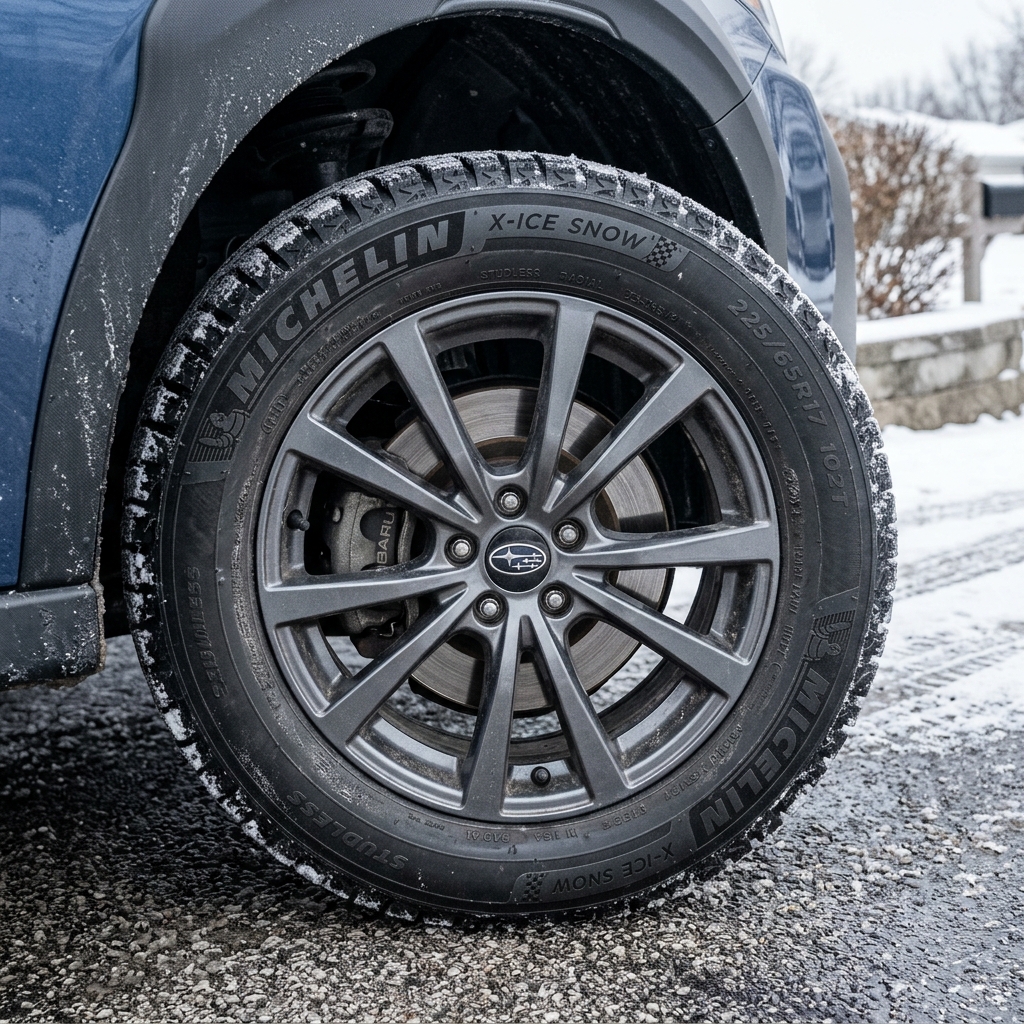
For immediate, answer-first guidance: the top three overall recommended winter tires for the Subaru Outback and Forester are the Bridgestone Blizzak WS90(unrivaled stopping power on ice and hard-packed snow), the Michelin X-Ice Snow(exceptional long-lasting tread wear and low rolling resistance for fuel-efficient highway commuting), and the Continental VikingContact 7(superior wet-slush evacuation and refined, quiet sub-zero pavement handling). Pairing any of these premium studless winter tires with your Subaru's low-center-of-gravity BOXER engine and active torque vectoring ensures that you experience maximum cold-weather safety. If you have questions about current inventory or fitment, our experts at Hawk Subaru are here to help—feel free to Call us at (815) 725-3789 or browse our dedicated Parts Center.
Top Recommended Winter Tires for the Subaru Outback and Forester
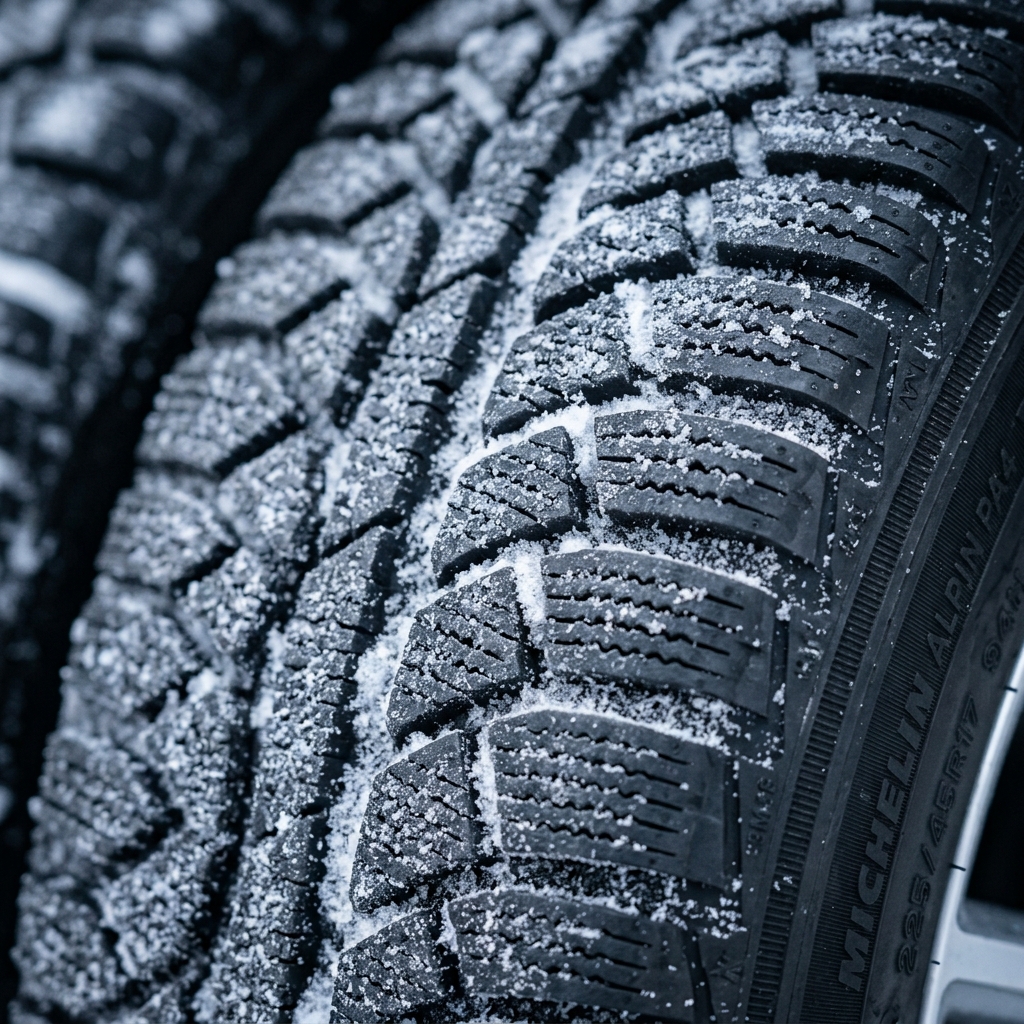
Choosing the right winter tire depends heavily on your daily commute and driving preferences around Will and DuPage counties. Unlike all-season tires, which begin to harden and lose elasticity when temperatures dip below 45°F (7°C), dedicated winter rubber compounds use high-silica formulations and specialized soft polymers that remain pliable in sub-zero freezes. This allows the tire tread to conform to microscopic surface imperfections in icy asphalt.
1. Bridgestone Blizzak WS90: Widely regarded as the benchmark for harsh winter conditions, the Blizzak WS90 utilizes Bridgestone's proprietary NanoPro-Tech Multicell compound. This hydrophilic material contains microscopic bubbles and tubular channels that actively absorb the invisible film of water that forms on top of ice, creating direct rubber-to-ice traction. Combined with a 15% increase in block stiffness over previous generations, the WS90 delivers lightning-fast steering response and extremely short stopping distances on black ice.
2. Michelin X-Ice Snow: If long mileage and fuel economy during extended highway commutes along I-55 are top priorities, the Michelin X-Ice Snow is an outstanding choice. Built with Michelin's Flex-Ice 2.0 compound and full-depth 3D siping, this tire maintains its aggressive snow and ice grip down to the final millimeters of tread depth. It offers an industry-leading winter treadwear warranty and notably reduced rolling resistance compared to traditional snow tires.
3. Continental VikingContact 7: Featuring a unique directional tread pattern integrated with advanced rapeseed oil compounds, the VikingContact 7 excels in wet freezing rain, slush, and cold dry pavement. Deep longitudinal grooves channel heavy, water-logged slush away from the tire footprint to prevent hydroplaning, while interlocking 3D sipes provide impressive lateral grip during emergency cornering maneuvers.
|
Tire Model
|
Primary Strength
|
Best For
|
|
Bridgestone Blizzak WS90
|
Maximum Glare Ice Grip
|
Stop-and-Go & Icy Intersections
|
|
Michelin X-Ice Snow
|
Tread Life & Efficiency
|
Long Highway Commutes
|
|
Continental VikingContact 7
|
Slush & Wet Snow Evacuation
|
Mixed Freeze-Thaw Weather
|
|
Nokian Hakkapeliitta R5
|
Extreme Deep Snow Traction
|
Unplowed Rural / Secondary Roads
|
Comparing Winter Performance Characteristics for Northern Illinois Driving
Deep Snow & Slush
Heavy snowstorms in Plainfield often result in unplowed sub-divisions and slush-filled lanes on major arteries like Weber Road. Studless winter tires feature wide, directional shoulder blocks and high void ratios that bite deep into snow packs. As the tire rotates, snow gets compressed into the tread grooves—creating snow-on-snow friction, which provides significantly higher traction than rubber on raw snow.
Glare Ice & Black Ice
Intersections near the DuPage River and highway overpasses freeze well before ground-level pavement. Stopping distance tests reveal that at 30 mph on polished ice, an all-season tire can take over 100 feet to come to a complete stop, whereas premium winter tires like the Blizzak WS90 or Michelin X-Ice Snow reduce stopping distances by up to 30 to 40 feet—the difference between a safe stop and a costly fender bender.
Sub-Zero Dry Asphalt
Illinois winters feature many dry, bitterly cold days where temperatures hover in the single digits. Standard all-season rubber hardens into hard plastic on freezing asphalt, leading to skidding even without snow. Winter compounds remain pliable, ensuring full contact patch adhesion, sharp emergency turn-in, and stable high-speed tracking along I-80 and I-55.
What Is the Standard Ground Clearance for Subaru SUVs?
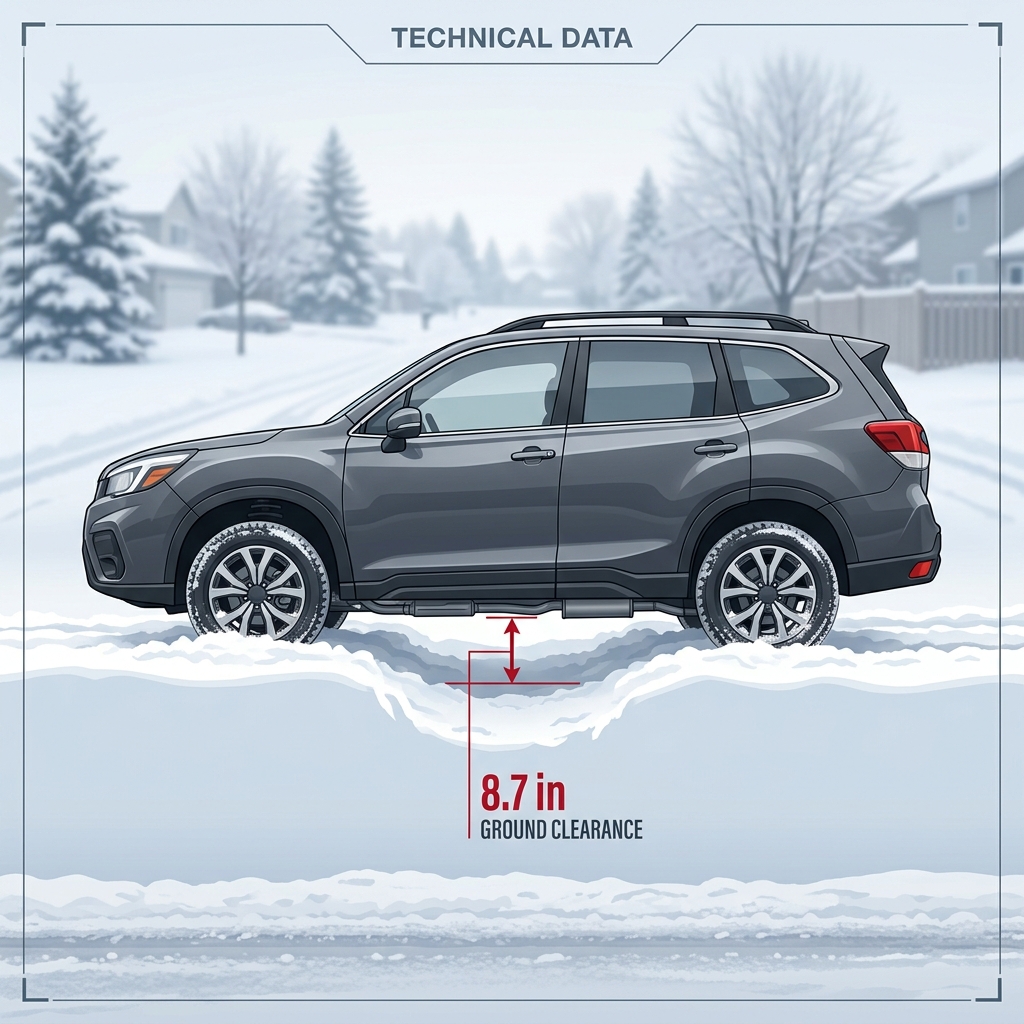
A crucial engineering benchmark that sets Subaru vehicles apart from competing crossovers is generous ride height. Standard trim levels of the Subaru Outback and Subaru Forester offer an impressive 8.7 inches of ground clearance right off the showroom floor. To put this in perspective, competing midsize and compact SUVs—such as the Toyota RAV4, Honda CR-V, or Nissan Rogue—typically offer between 7.5 and 8.2 inches.
This additional half-inch to full-inch of clearance makes a substantial real-world difference when navigating severe winter storms. Rather than plowing through deep slush with the front bumper and underbody shields, a Subaru SUV effortlessly glides over snowdrifts, keeping crucial drivetrain components elevated above severe road debris and hard-packed snow ruts.
Why Is 8.7 Inches of Ground Clearance Important for Illinois Winters?
During major winter events in Will and DuPage counties, municipal snowplows work around the clock to clear high-priority state routes like Route 59 and Lincoln Highway (Rt 30). However, residential side streets in Plainfield and Naperville often remain unplowed for hours—or even days—after a heavy snowfall. When vehicles with low ground clearance attempt to drive through 6 to 8 inches of wet, heavy snow, two major problems occur: high-centering and underbody damage.
High-Centering Prevention: High-centering happens when the snow under a vehicle gets packed down by the chassis until the tires no longer exert enough downward force on the road surface to gain traction. With 8.7 inches of ground clearance, the Subaru Outback and Forester clear snow accumulation easily, ensuring your winter tires maintain firm contact with the asphalt underneath. Furthermore, when highway plows leave thick, frozen snow berms across the end of your driveway or at suburban intersections, 8.7 inches of clearance allows you to drive through without cracking lower plastic fascias or getting stuck.
Underbody Protection: Frozen chunks of ice dislodged from semi-trucks on I-55 can act like boulders on the highway. Higher ride height protects critical components—such as the oil pan, exhaust system manifold, rear differential housing, and fuel lines—from direct impact. If you are looking to upgrade to a winter-ready SUV this season, feel free to Browse New Inventory or explore our pre-owned collection when you Browse Used Inventory at Hawk Subaru.
When Is It Worth Choosing a Subaru Wilderness Model for Extra Ground Clearance in Winter?
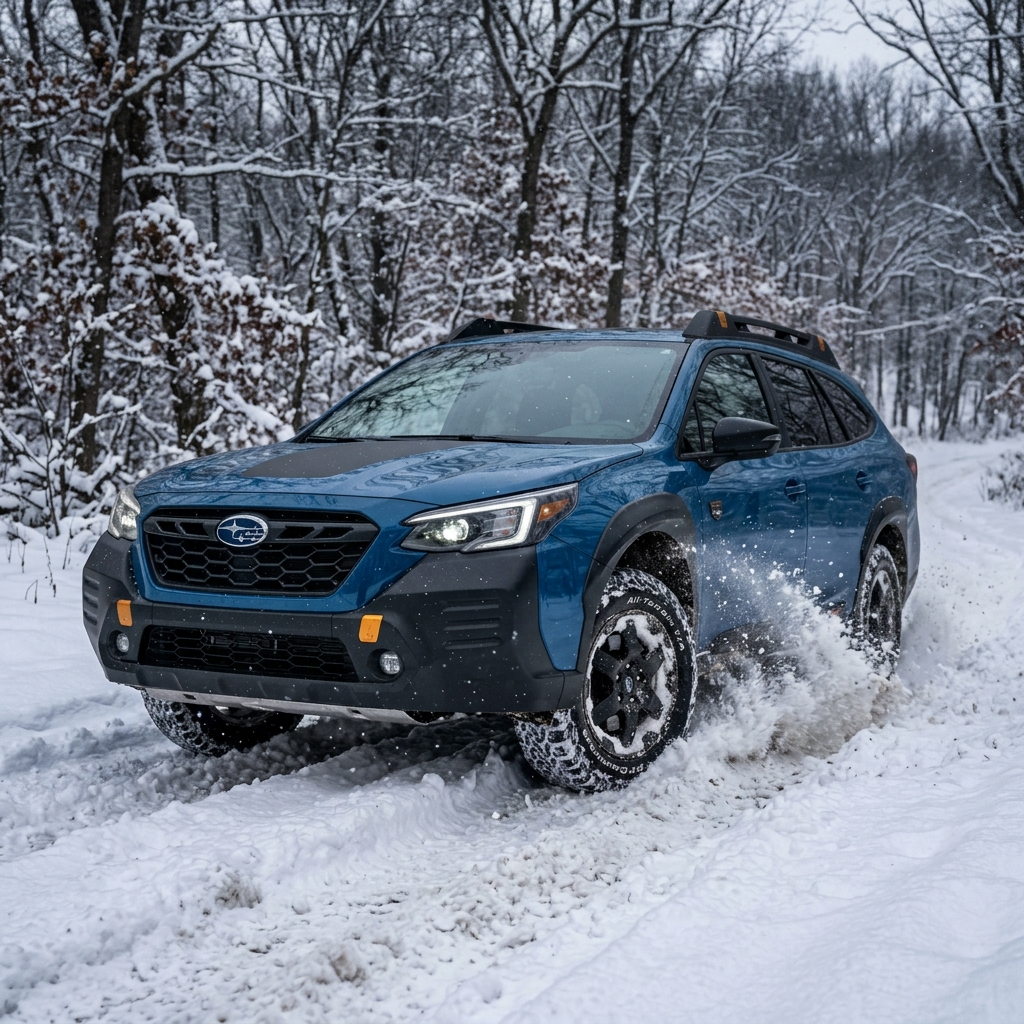
For drivers who demand ultimate severe-weather capability, Subaru offers specialized Wilderness trim levels. The Subaru Outback Wilderness boasts an incredible 9.5 inches of ground clearance, while the Forester Wilderness offers 9.2 inches. This increased ride height is achieved through long-travel suspension tuning that maintains superb wheel articulation.
Wilderness models come standard from the factory with 17-inch matte-black alloy wheels wrapped in aggressive Yokohama GEOLANDAR A/T tires featuring the official 3-Peak Mountain Snowflake (3PMSF) emblem. They also feature revised differential gear ratios for enhanced low-speed torque delivery in deep drifts, front skid plates, water-repellent StarTex® interior upholstery, and Dual-Function X-MODE with specialized 'Deep Snow / Mud' settings that allow necessary wheelspin to clear tread blocks.
Is a Wilderness model worth it? If you frequently travel to rural properties, unpaved backroads, or northern ski resorts—or if you simply want maximum peace of mind during blizzard conditions in Plainfield—the Wilderness lineup is an exceptional investment. Thinking about upgrading your current vehicle? Be sure to Value Your Trade-In online to see how much equity you can apply toward a new Wilderness model.
Does Higher Ground Clearance on Subaru SUVs Affect Handling or Safety in Winter Conditions?
Subaru BOXER Engine
Traditional tall SUVs often feel top-heavy due to high-mounted upright inline or V6 engines. Subaru solves this physics challenge using horizontally opposed Subaru BOXER engines mounted low in the chassis. This keeps the vehicle's center of gravity remarkably low despite having 8.7+ inches of clearance, dramatically reducing body roll during unexpected swerves on icy roads.
Vehicle Dynamics Control
Every Outback and Forester features advanced Vehicle Dynamics Control (VDC) with Active Torque Vectoring. Sensors continuously monitor wheel speed, steering wheel angle, and yaw rate. If slip is detected during hard cornering on slick roads, VDC gently applies braking force to individual wheels and adjusts engine output to keep the vehicle tracking precisely along the driver's intended path.
Suspension & Offset Geometry
Subaru engineers meticulously tune the four-wheel independent suspension and steering rack geometry specifically for each trim's ride height. When matched with proper factory-sized winter tires, the steering response remains tight, direct, and predictable, giving drivers total confidence during high-speed highway cruising and tight suburban parking maneuvers alike.
Matching Factory Wheel Sizes and Load Ratings Across Trim Levels
When purchasing winter tires for your Subaru Outback or Forester, paying attention to factory wheel diameter, offset, aspect ratio, and load ratings is crucial. Subaru crossovers come with 17-inch, 18-inch, or 19-inch wheels depending on trim level (e.g., Base/Premium vs. Limited/Touring trims).
The Advantages of 'Minus Sizing' for Winter: Many tire specialists recommend 'minus sizing'—for example, stepping down from an 18-inch or 19-inch summer wheel to a dedicated 17-inch winter wheel package. A 17-inch wheel uses a tire with a taller sidewall (higher aspect ratio), which offers two major benefits: 1) The taller rubber sidewall acts as an extra shock absorber against deep winter potholes on Route 59, protecting your alloy rims; 2) A slightly narrower tread width exerts higher downforce pressure per square inch, helping the tire slice through heavy slush rather than floating on top of it.
|
Subaru Model & Trim
|
Stock Wheel Size
|
Recommended Winter Tire Size
|
|
Outback Base / Premium / Wilderness
|
17-inch
|
225/65R17
|
|
Outback Limited / Touring / XT
|
18-inch
|
225/60R18 (or 225/65R17 minus-size)
|
|
Forester Base / Premium / Wilderness
|
17-inch
|
225/60R17
|
|
Forester Sport / Limited / Touring
|
18-inch / 19-inch
|
225/55R18 (or 225/60R17 minus-size)
|
Winter Tire Pressure, Tread Depth Checks, and Storage Maintenance Tips
Cold Temperature TPMS
For every 10°F drop in ambient temperature, tire pressure decreases by approximately 1 PSI. When the first arctic blast hits Plainfield, your Tire Pressure Monitoring System (TPMS) light may illuminate. Always check inflation pressures in the morning when tires are cold, filling them to the recommended PSI listed on your driver's door jamb sticker.
Tread Depth Safety Thresholds
While all-season tires are legally worn out at 2/32 inches of remaining tread, winter tires lose their specialized snow-biting effectiveness once tread wears down past 4/32 inches. Use a quick quarter test: insert a quarter upside down into the tread groove. If Washington's head is completely visible, it is time to replace your winter tires for safety.
Off-Season Storage Best Practices
Store off-season tires in a cool, dark, dry basement or garage away from direct sunlight, heat sources, and electric motors. Keep tires in airtight plastic bags to prevent soft rubber oil evaporation. Ask our team at Hawk Subaru about seasonal tire mounting, balancing, and convenient tire storage solutions when you Schedule Your Service Today.
Navigating Winter Commutes Across Plainfield, Joliet, and Naperville
Living in Northern Illinois means facing distinct micro-climates and corridor hazards during winter. Commuters traveling along Route 59 between Plainfield and Naperville regularly encounter stop-and-go congestion on slick, polished asphalt near shopping centers. Meanwhile, drivers taking I-55 south toward Joliet or I-80 across Will County deal with high-speed crosswinds and sudden lake-effect snow squalls.
Bridges crossing the DuPage River freeze far quicker than surrounding roadways due to cold air circulating underneath the deck. Having a Subaru Outback or Forester equipped with proper winter rubber allows you to maintain steering control and linear braking when hit with sudden traction drops.
Expert Driving Tips for Local Winter Commutes:
•Use Steering Wheel Paddle Shifters: Downshift manually using Lineartronic® CVT paddle shifters to engine-brake smoothly when approaching downhill stops on icy slopes.
•Engage X-MODE in Deep Snow: When pulling out of unplowed driveways or parking spots, press the X-MODE button to optimize wheelspin thresholds and AWD clutch engagement.
•Visit Your Local Community Resource: Hawk Subaru is conveniently located on Route 59 in Plainfield, making winter service visits quick and effortless. Need directions? Get Directions to Hawk Subaru.
Can Local Dealer Incentives Make Higher-Clearance Subaru SUVs More Affordable for Winter Driving?
Upgrading your winter driving confidence doesn't have to strain your family budget. At Hawk Subaru, we offer seasonal tire package bundling, competitive manufacturer rebates, and attractive dealer financing options designed to help you prepare for snow season cost-effectively.
If you're considering a new or certified pre-owned Outback, Forester, or Crosstrek, take advantage of factory APR specials, low monthly lease offers, and high market value trade-in assessments. Start the process from the comfort of your home when you Get Pre-Approved for Financing online or take a look at our Explore Certified Pre-Owned Vehicles program for factory-backed peace of mind.
Get Winter-Ready at Hawk Subaru: Order Tires or Schedule Service Today
Don't wait until the first severe snowstorm warning causes long delays at local tire shops. Protect your family with the ultimate winter safety setup: dedicated winter tires paired with Subaru's world-class Symmetrical All-Wheel Drive and 8.7+ inches of ground clearance. Visit the factory-trained tire specialists at Hawk Subaru in Plainfield today. We will help you select the ideal tire compound, fitment size, and wheel package tailored specifically to your Subaru Outback or Forester trim level.
Hawk Subaru is located at 2401 Rte 59, Plainfield, IL 60586. Give our team a call at Call us at (815) 725-3789 or order your winter tire package directly online today!