The 2026 Subaru WRX’s factory summer performance tires, like the Dunlop SP Sport Maxx GT600, must be swapped before Illinois autumn temperatures consistently drop below 45°F to avoid loss of traction and tire damage from glass transition. Despite AWD capabilities, these summer tires become brittle and unsafe in cold conditions, making all-season or dedicated winter tires essential for safe fall and winter driving.
Read More
A full pre-winter AWD service and winter tire installation in the Chicago area typically costs between $350 and $1,400. This includes essential fluid maintenance, differential service, tire mounting and balancing, wheel alignment, and the purchase of winter or 3PMSF-rated tires. Proper winter preparation helps prevent mechanical failures and ensures safe driving through harsh Midwestern conditions.
Read More
Northern Illinois’ Will and Kendall Counties offer stunning autumn foliage drives along scenic river valleys, orchard routes, and forest preserves, with peak colors appearing mid-October. Navigating these rural, often slippery roads is made safer and more enjoyable in Subaru SUVs, equipped with all-wheel drive, high ground clearance, and X-MODE for optimal traction on wet leaves, gravel, and uneven terrain.
Read More
Autumn in Will and Kendall Counties offers stunning fall foliage and vibrant apple orchards, but wet leaves, gravel roads, and frost create challenging driving conditions. Subaru’s Symmetrical All-Wheel Drive and X-MODE provide continuous traction and stability on slick roads and uneven terrain, making these scenic drives safer and more enjoyable. Local state parks and rural routes highlight the season’s natural beauty with confidence and control.
Read More
The 2026 Subaru Trailseeker lineup offers standard off-road capability tailored for Midwest winters, including symmetrical all-wheel drive, advanced X-MODE traction control, and hill descent control for icy slopes. Each trim, from Base to Wilderness, features durable hardware and intelligent driver assists like heated EyeSight® cameras and steering-responsive LED headlights, ensuring confident handling on snowy roads and rough terrain.
Read More
Subaru X-MODE enhances the brand’s Symmetrical AWD system by optimizing throttle response, transmission ratios, and braking to maintain traction on steep, slick, or uneven terrain. It adjusts power delivery to prevent wheel spin and includes Hill Descent Control to manage safe speeds on downhill slopes. Available in single or dual-function modes, X-MODE adapts to various off-road and low-traction conditions in Subaru models.
Read More
The 2026 Subaru Outback leads the compact crossover segment with a class-best 8.7 inches of standard ground clearance, extending to 9.5 inches in its Wilderness trim, outperforming the Toyota RAV4's 8.4–8.6 inches and the Honda CR-V's 7.8–8.2 inches. Its flat-boxer engine layout allows a high ride height without sacrificing handling, offering superior off-road capability and confidence on rough, icy, or uneven roads.
Read More
The 2026 Subaru Outback offers slightly more maximum cargo volume than the Forester, with 76 cubic feet versus 74 cubic feet when rear seats are folded. The Outback's longer, wagon-style floor suits long items like skis and tents, while the Forester's taller, boxier design favors tall cargo such as dog crates and plants. Each model’s cargo shape and dimensions cater to different storage needs and lifestyles.
Read More
Subaru owners in northern Illinois should proactively replace their vehicle’s battery between 3 to 4 years of age or when cold cranking amps drop below 80% before winter hits. Cold temperatures drastically reduce battery power while demanding more from the engine, risking sudden failure during freezing conditions. A pre-winter battery load test at certified service centers can prevent costly breakdowns and ensure reliable starts all season long.
Read More
Subaru's 2026 Outback, Forester, and Crosstrek offer Midwest families unmatched cargo space, safety, and all-weather capability for college move-in day. With features like Symmetrical All-Wheel Drive, spacious interiors up to 76 cubic feet, and advanced EyeSight Driver Assist, they make loading and long highway drives across Illinois and neighboring states safer and more efficient.
Read More
A full synthetic oil change with OEM filter replacement for Subaru models typically costs between $75 and $120, depending on engine type and oil capacity. Naturally aspirated 4-cylinder models like the Forester and Crosstrek fall on the lower end, while turbocharged variants such as the WRX and Ascent require more oil and higher costs. Service intervals range from 6,000 miles under normal conditions to shorter intervals for severe driving.
Read More
For Northern Illinois Subaru Outback and Forester owners, upgrading to dedicated winter tires significantly improves safety and traction on ice, snow, and slush. Top recommendations include the Bridgestone Blizzak WS90 for unparalleled ice grip, the Michelin X-Ice Snow for long-lasting tread and fuel efficiency, and the Continental VikingContact 7 for superior slush evacuation and wet handling. These tires optimize Subaru’s AWD capabilities in harsh winter conditions.
Read More
Daily highway commuters around Plainfield, IL should check tire pressure every two weeks and after any temperature drop of 10°F or more, maintaining recommended PSI to prevent underinflation risks. Tire tread depth should be inspected monthly, with 4/32 inches recommended for wet fall roads to avoid hydroplaning. Proper maintenance ensures safer autumn driving on I-55, Route 59, and surrounding routes amid shifting seasonal conditions.
Read More
As fall temperatures drop in Northern Illinois, tire pressure can rapidly decrease by 1 PSI for every 10°F, risking underinflation even without leaks. This pressure loss compromises Subaru vehicle safety, handling, and fuel efficiency, especially on highways like Interstate 55 and 80. Monitoring cold tire pressure and using Subaru’s advanced TPMS helps maintain optimal performance and supports safety features like EyeSight during autumn commutes.
Read More
Multi-Point Inspections at Hawk Subaru offer a comprehensive, proactive approach to vehicle maintenance that catches minor issues before they become costly problems. Through detailed checks of brakes, belts, fluids, and more, this protocol ensures safety and longevity, helping Subaru owners in Plainfield confidently reach high mileage milestones while avoiding unexpected repairs.
Read More
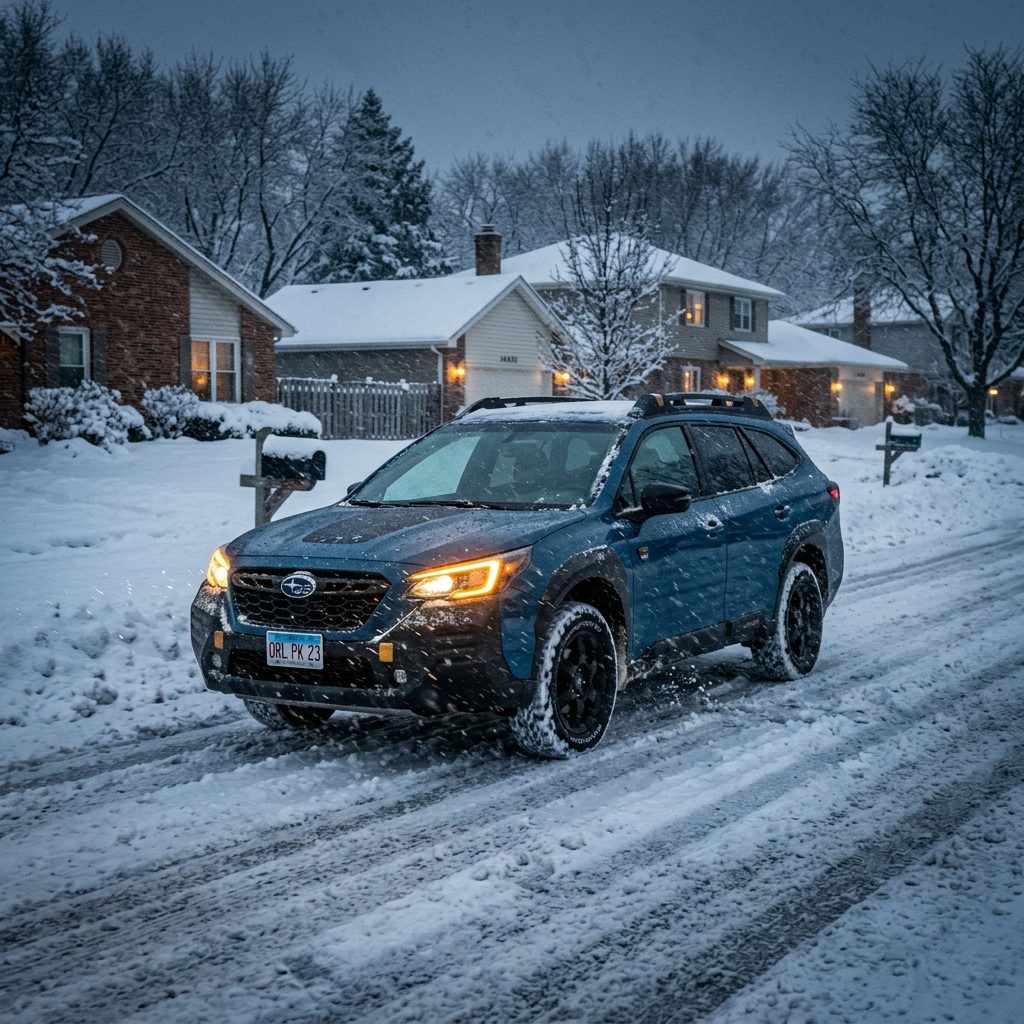
In Chicago's challenging winter conditions, All-Wheel Drive (AWD) offers significantly better traction and stability compared to Front-Wheel Drive (FWD), especially on icy intersections, unplowed roads, and slick highway ramps. While AWD improves acceleration and directional control by distributing torque to all wheels, stopping and cornering still rely heavily on dedicated winter tires for optimal safety.
Read More
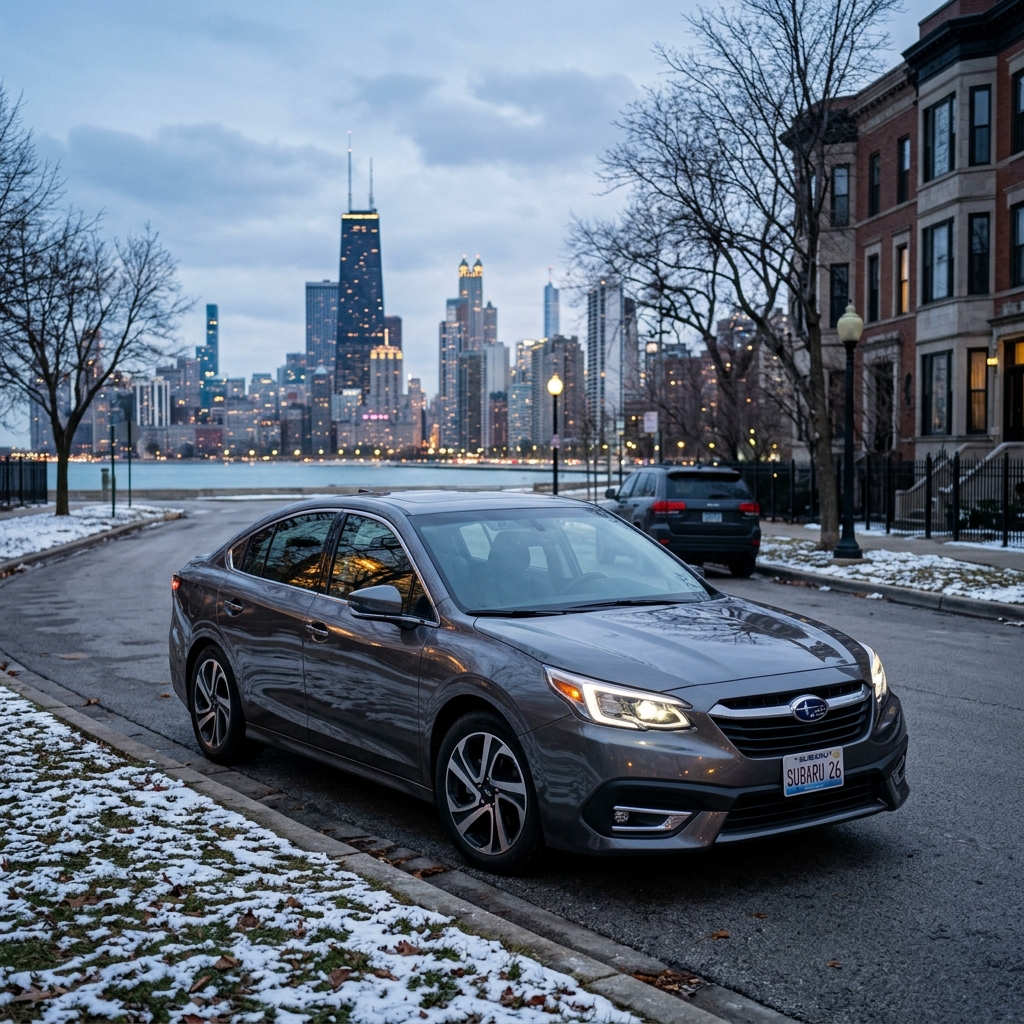
Is the Subaru Legacy a Good Option for Commuting to Chicago Campuses?
For students, professors, and academic professionals living in southwest suburbs like Plainfield, Joliet, or Naperville, commuting to a major downtown Chicago campus is more than just a drive—it is a daily test of endurance, strategy, and vehicular capability. Navigating the unpredictable, high-traffic corridors of Interstate 55 (the Stevenson Expressway) or Interstate 88 (the Reagan Memorial Tollway) requires a vehicle that excels across several critical dimensions. It must offer superb fuel efficiency---
Read More
Your tires are the only part of your vehicle that touches the road, making proper tire pressure essential for safe driving. As the seasons change, so do temperatures and road conditions, which can have a direct impact on your tires. Ignoring these seasonal changes may lead to uneven wear, reduced fuel efficiency, and poor handling.
Understanding how each season affects your tires is an important part of tire maintenance. By checking your seasonal tire pressure regularly, you can help your Subaru perform safely and efficiently all year long.
Winterizing Your Symmetrical AWD: Why Orland Park and Naperville Commuters Need Pre-Winter Service Now
As the warmth of summer slowly begins to fade in northern Illinois, seasoned commuters in Orland Park, Naperville, and Plainfield know exactly what lies ahead. The tranquil, sun-drenched stretches of Interstate 55, Interstate 355, and Route 59 will soon transform into unpredictable gauntlets of black ice, heavy slush, and whiteout lake-effect snowstorms.
Read More
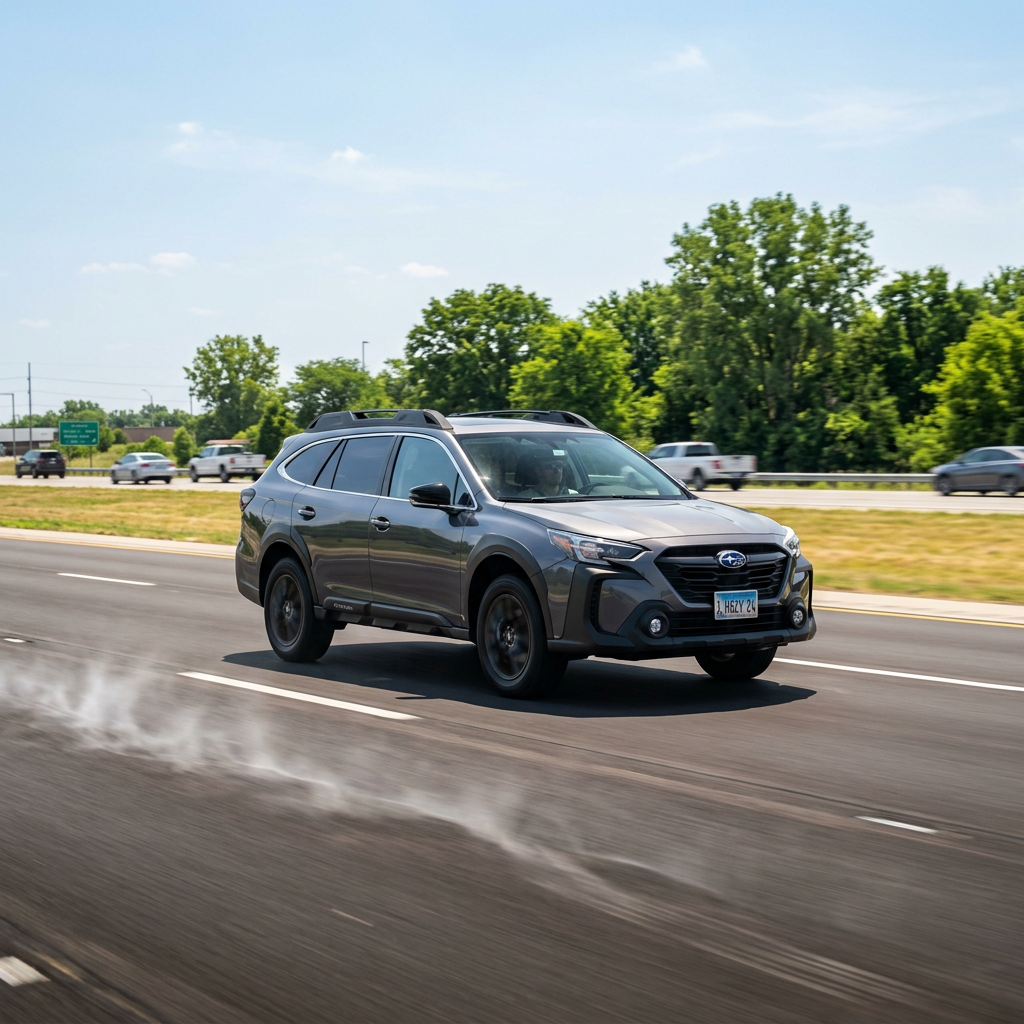
Surviving the Swelter: Staying Cool in the Illinois Summer Heatwave
When summer fully takes hold of northern Illinois, communities like Plainfield, Naperville, and Joliet experience a dramatic shift. The mild, pleasant spring days rapidly give way to a heavy, thick humidity and soaring temperatures that turn ordinary activities into physical endurance tests. The local climate presents a unique set of challenges; we transition from freezing, sub-zero winter blasts to sweltering, 95-plus degree summer afternoons with heat indexes that regularly cross into the triple digits.
Read More