When Should a Subaru Owner Proactively Replace Their Battery Before Winter?
As autumn arrives across Will County and the surrounding Chicagoland area, experienced drivers know that winter weather isn't just an inconvenience—it is a rigorous endurance test for every component under your vehicle's hood. For Subaru owners, whose vehicles are built for dependable year-round capability, one critical component often remains overlooked until the first sub-zero morning: the 12-volt battery. The definitive answer to when you should proactively replace your Subaru battery is between 3 to 4 years of age, or immediately when a professional conductance test reveals Cold Cranking Amps (CCA) dropping below 80% of rated capacity prior to northern Illinois's first arctic cold snap.
Waiting for complete battery failure during a freeze on Route 59 or I-55 in Plainfield leaves drivers stranded in hazardous freezing conditions. Modern Subaru vehicles—equipped with sophisticated technology such as EyeSight Driver Assist, High-Torque Lineartronic CVT management, and Start-Stop systems—place significantly higher electrical demands on the battery than older models. Proactive replacement before late autumn prevents costly towing fees, missed morning commutes, and unnecessary wear on your starter motor. To verify your current power unit's health, you can quickly Schedule Your Service Today with certified Subaru experts before severe winter conditions arrive.
How Freezing Northern Illinois Temperatures Sap Subaru Battery Cranking Power
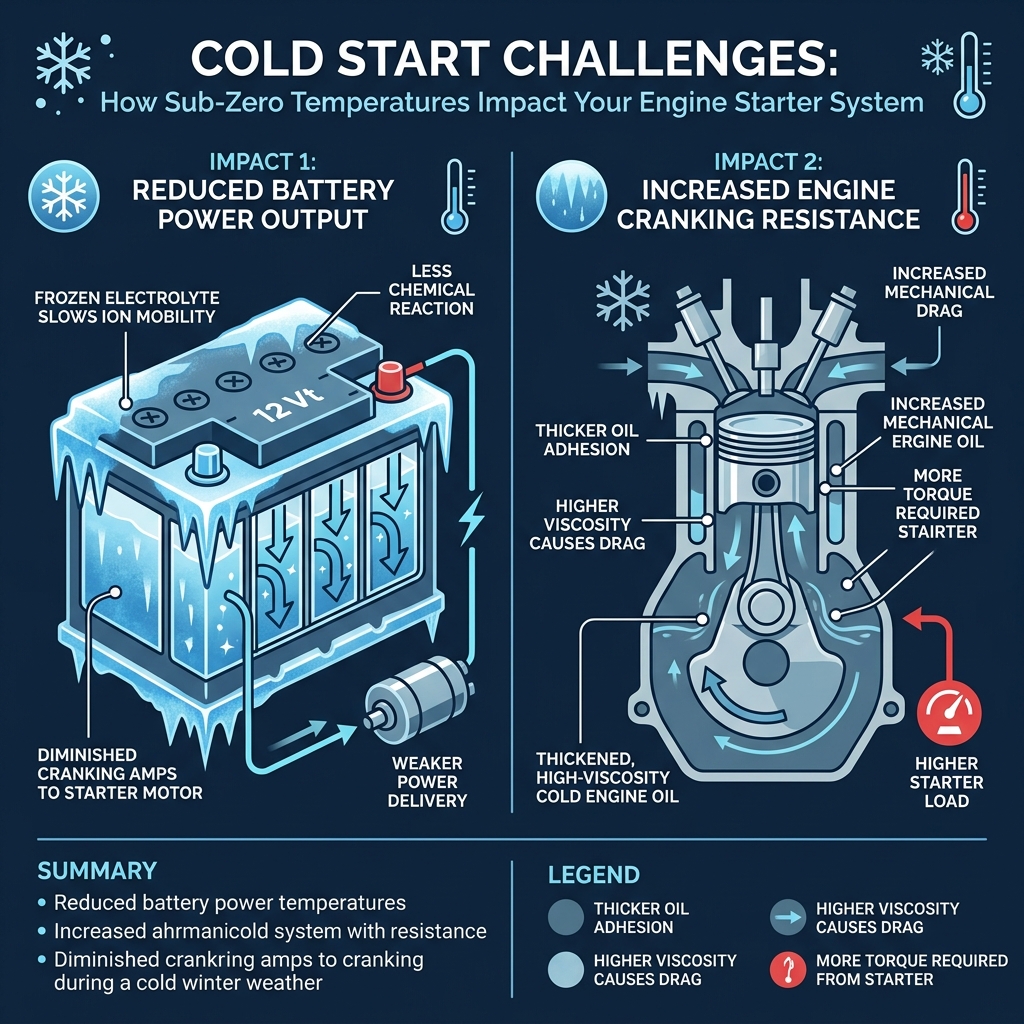
Understanding the electrochemistry inside a standard lead-acid or AGM (Absorbed Glass Mat) battery clarifies why temperature slumps are so destructive. Automotive batteries generate electric current through a dynamic chemical reaction between lead plates and an liquid electrolyte solution. When the ambient temperature drops to 32°F, this chemical reaction slows significantly, diminishing available power output by roughly 35%. When temperatures plummet to 0°F or lower during Chicagoland cold snaps, available cranking capacity drops by up to 60%.
Simultaneously, winter temperatures thicken engine oil, creating immense mechanical resistance inside your Subaru's horizontal Subaru BOXER engine. Overcoming this physical drag requires substantially more starting torque precisely when your battery's energy reserves are severely compromised. A battery that functioned adequately at 65°F in September will frequently fail when challenged by a sudden November freeze.
Furthermore, summer heat is the silent initial killer of automotive batteries, causing internal plate degradation and liquid evaporation. The true extent of this summer damage is only revealed when autumn temperature fluctuations demand peak discharge performance to turn over cold machinery.
Key Warning Signs Your Subaru Battery Won't Survive an Autumn Cold Snap
1. Slow or Hesitant Engine Crank
When turning the key or pressing the push-button start on early mornings in Joliet, if you hear a sluggish 'rur-rur-rur' engine rotation before ignition, your starter motor is starved for electrical current. This extended cranking time is the most prominent indicator of severely depleted Cold Cranking Amps (CCA).
2. Electrical System Anomalies
Modern Subaru vehicles rely on steady voltage to keep sensitive advanced safety systems online. Transient voltage dips during engine start can trigger momentary EyeSight warnings, cause dashboard lights to flicker, or momentarily disrupt the central STARLINK multimedia display console.
3. Physical & Visual Battery Degradation
Pop the hood and inspect the battery casing. Heavy white, blue, or greenish powdery corrosion around the terminal posts blocks current transfer. A bloated or swollen battery casing caused by summer overcharging or internal heat stress indicates immediate structural failure risk.
Schedule a Complimentary Pre-Winter Battery Load Test at Hawk Subaru
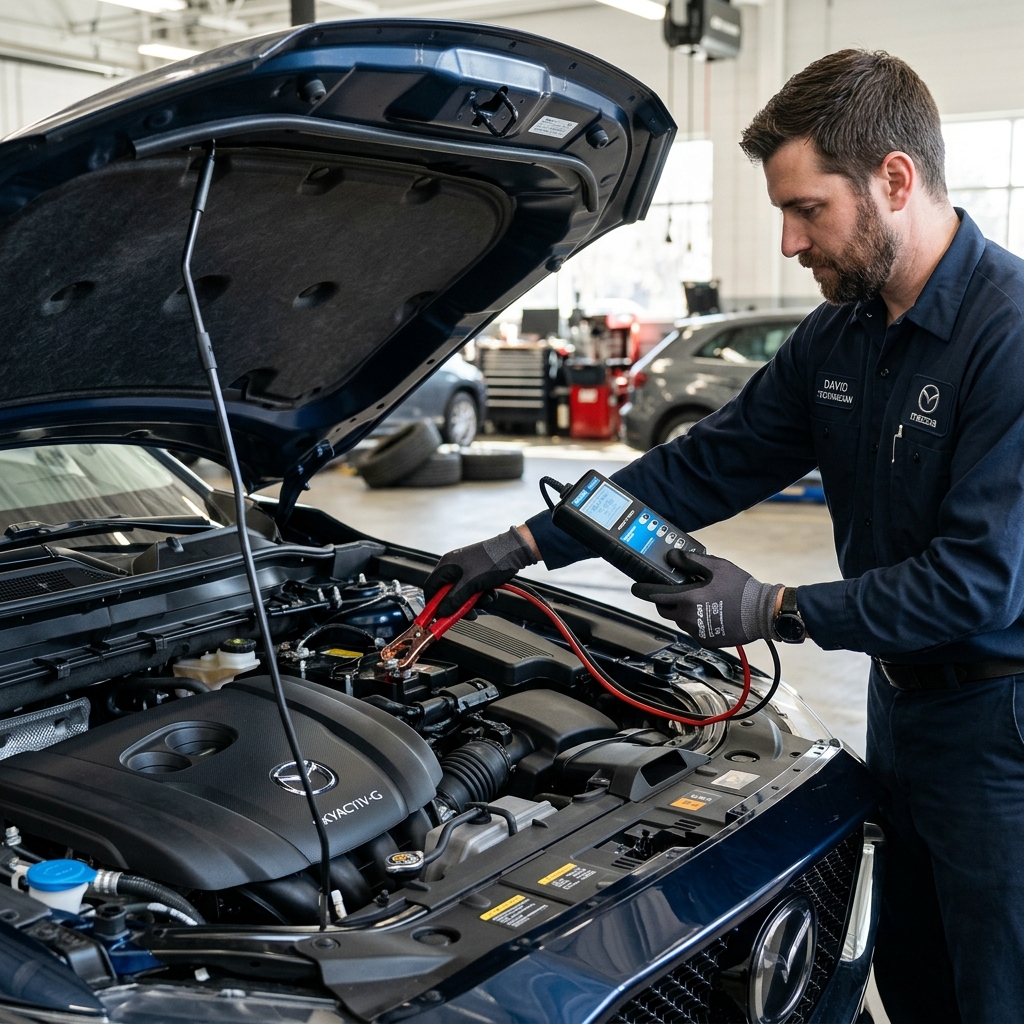
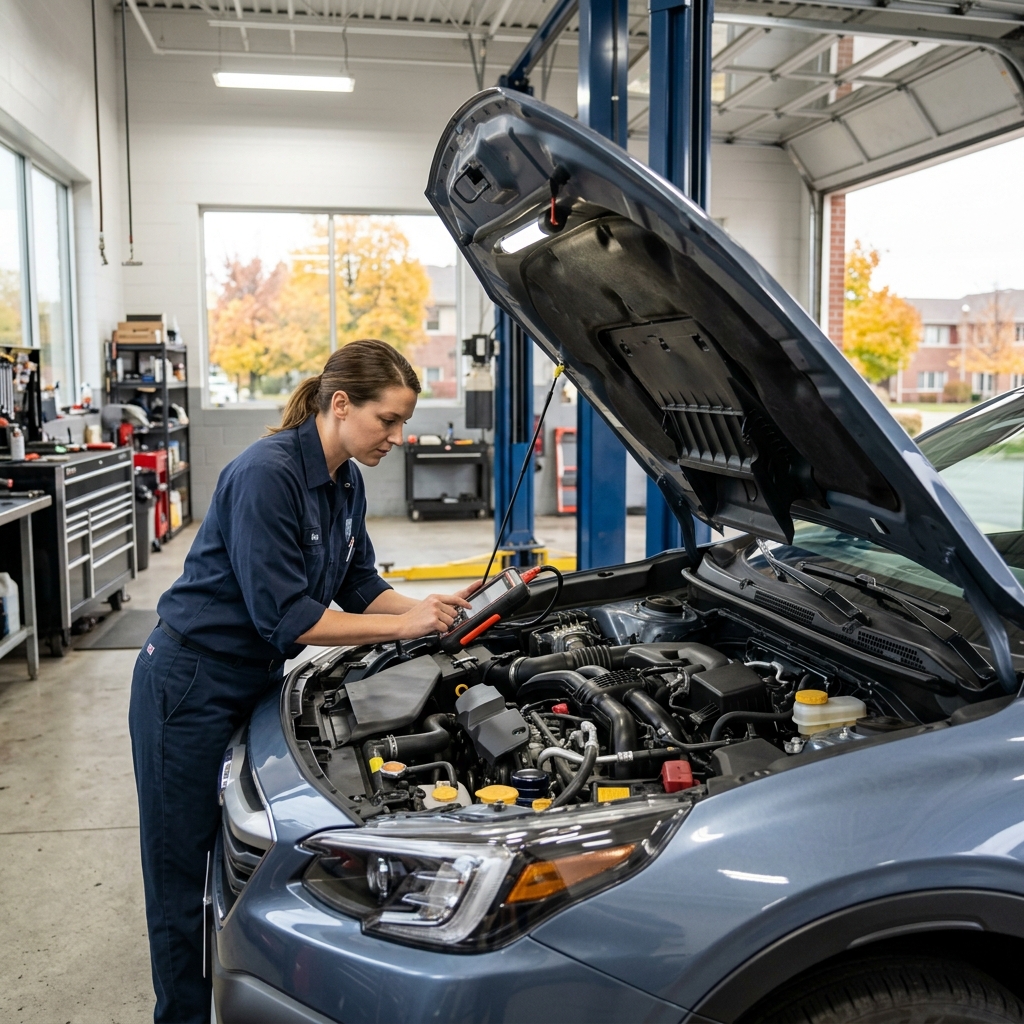
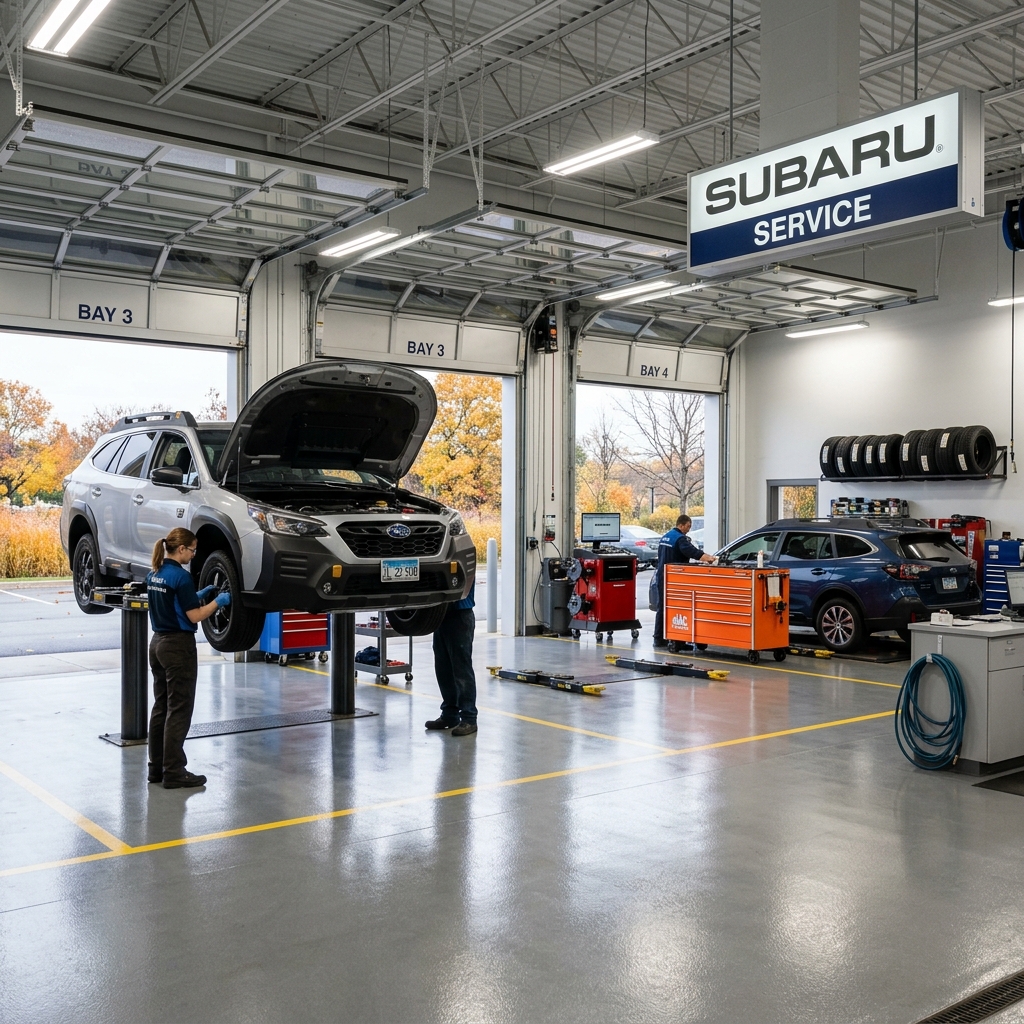
Don't guess whether your battery will survive the coming Midwest cold spells. At Hawk Subaru in Plainfield, IL, our factory-trained service technicians utilize advanced digital battery conductance analyzers to measure exact cold cranking capacity, reserve health, and charging system output. A simple 10-minute diagnostic check provides definitive data on whether your battery requires immediate replacement or routine maintenance. Visit our convenient service center on Route 59 or Call us at (815) 725-3789 to reserve your priority inspection slot today.
Which Items Usually Make Up the Core of a Lower-Cost Fall Service Visit for a Subaru?
A targeted seasonal maintenance visit during late summer or early fall is one of the most economical investments you can make in your vehicle's longevity. Rather than expensive emergency repairs, a proactive fall checkup focuses on vital high-wear consumable items that safeguard winter driveability.
Key low-cost maintenance essentials include thorough terminal cleaning and anti-corrosion spray sealant, replacement of worn wiper blades with severe-weather beam blades, flushing summer washer fluid in favor of sub-zero anti-freeze windshield formulas, and adjusting tire inflation pressures across all four tires to offset autumn temperature drops.
|
Service Item
|
Fall Checkup Focus
|
Winter Benefit
|
|
Battery Conductance Test
|
CCA & Voltage analysis
|
Prevents sudden cold-start failure
|
|
Beam Wiper Blades
|
Rubber edge & flex inspection
|
Ensures streak-free snow clearance
|
|
Winter Washer Fluid
|
-20°F De-icer formula top-off
|
Prevents fluid reservoir freezing
|
|
Multi-Point Inspection
|
Brakes, hoses, belts & fluids
|
Identifies minor issues early
|
How Often Should a 2024 Subaru Be Serviced Going Into Fall?
The 6-Month / 6,000-Mile Rule
Subaru factory recommendations prescribe service every 6 months or 6,000 miles, whichever comes first. Aligning your schedule so that one of these intervals lands in late August or September guarantees that fresh synthetic oil and clean filters protect your engine before harsh winter conditions strike.
Severe Driving Schedules
Midwest driving often falls under 'severe service' due to extreme seasonal temperature swings, short trip commutes in freezing weather, and road salt exposure. Under severe conditions, more frequent oil changes and differential fluid checks are vital for long-term power unit reliability.
Clearing out summer dust from your engine air filter ensures optimal combustion efficiency, preserving fuel economy through the colder months.
Why Do Subaru Tires Lose Pressure Rapidly During Early Fall Temperature Drops?
It is a fundamental law of physics: air molecules contract as temperature drops. For every 10°F drop in ambient outdoor temperature, pneumatic tires experience approximately 1 PSI (pound per square inch) loss of inflation pressure. During Northern Illinois autumns, where crisp 40°F mornings quickly follow 75°F summer days, your Subaru tires can easily lose 3 to 4 PSI in a matter of days without any puncture being present.
Proper inflation pressure is exceptionally critical for Subaru vehicles equipped with Symmetrical All-Wheel Drive. Uneven tire pressures across all four wheels cause slight differences in rotational circumference. Over time, this forces the center differential to work continuously to compensate, creating excess heat and strain on driveline components. Keeping tires inflated to specified door-jamb placard levels protects both your AWD transfer system and fuel economy.
Late-Summer to Fall Transition: Essential Subaru Service Checks Before Chicagoland Autumn
Transitioning your Subaru from hot summer road trips to cold autumn commuting requires a holistic service perspective. Beyond battery testing and tire adjustments, our factory inspection protocol evaluates several key thermal safety systems:
1. Engine Cooling & Antifreeze System: Using an optical refractometer, technicians check the glycol concentration of your engine coolant. A true 50/50 mixture protects against freezing down to -35°F while preventing internal engine block corrosion. 2. Cabin Air Filter Renewal: Summer pollen and agricultural dust clog cabin filters, reducing heater defrost performance when you need clear visibility on frosty mornings. 3. Brake System Thickness & Fluid Hydration: Cold pavement requires maximum stopping power. Checking brake pad thickness and ensuring brake fluid hasn't absorbed excessive water prevents internal lines from freezing under extreme sub-zero conditions.
What Is the Temperature Threshold for Switching to Winter Tires in Illinois?
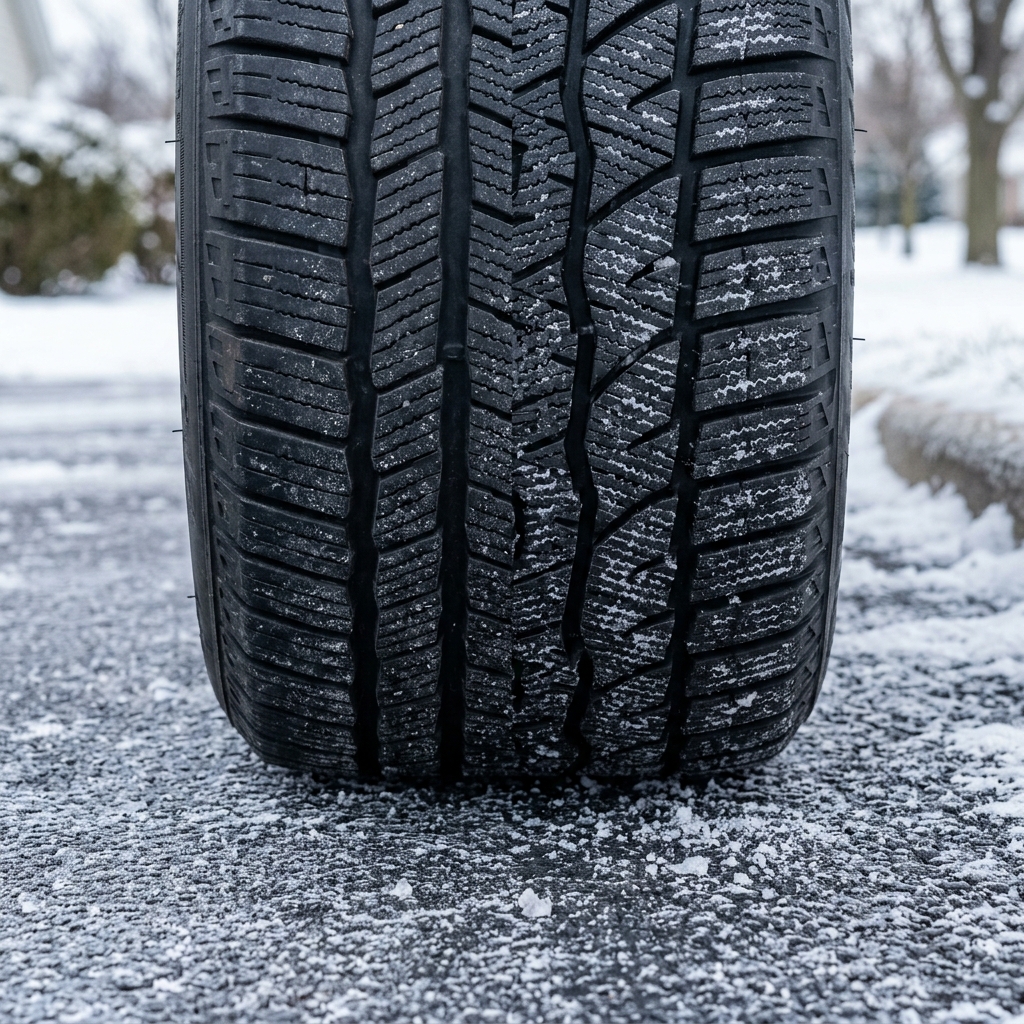
The universally recognized automotive safety threshold for switching to winter tires is 45°F (7°C). Many drivers assume winter tires are only necessary for deep snow, but tread compound chemistry tells a different story. Standard all-season rubber compounds begin to stiffen and glassify when ambient temperatures consistently sit below 45°F, resulting in reduced mechanical grip and extended braking distances even on completely dry pavement.
Dedicated winter tires—featuring specialized hydrophilic silica rubber formulas and 3-Peak Mountain Snowflake (3PMSF) ratings—remain pliable in severe cold. When combined with Subaru Symmetrical AWD, proper winter tires offer unprecedented control across icy bridges, black ice patches, and unplowed Will County roadways.
What Are the Combined Fuel Economy Ratings for the 2024 Subaru Outback Powertrains?
2.5L Standard BOXER
The naturally aspirated 2.5-liter 4-cylinder Subaru BOXER engine delivers EPA ratings of 26 City / 32 Hwy / 28 Combined MPG. It provides an exceptional balance of daily fuel efficiency and robust all-weather capability for commuter drives.
2.4L Turbo XT BOXER
The turbocharged 2.4-liter XT powertrain pushes performance to 260 horsepower with EPA estimates of 22 City / 29 Hwy / 25 Combined MPG (21/26/23 MPG on Wilderness trims), ideal for rapid acceleration and heavy payload towing.
Winter Fuel Economy Factors
In winter, real-world fuel economy dips 10-20% across all vehicles due to winter oxygenated gasoline blends, extended idling warm-ups, drag from cold mechanical fluids, and high electrical loads from heated seats, defrosters, and weak batteries straining the alternator.
|
2024 Subaru Outback Trim Engine
|
EPA City MPG
|
EPA Highway MPG
|
EPA Combined MPG
|
|
2.5L Subaru BOXER (Base, Premium, Limited, Touring)
|
26
|
32
|
28
|
|
2.4L Turbo Subaru BOXER (Onyx XT, Limited XT, Touring XT)
|
22
|
29
|
25
|
|
2.4L Turbo Subaru BOXER (Outback Wilderness)
|
21
|
26
|
23
|
Where Can Subaru Owners in Plainfield, IL Schedule Fall Maintenance and Inspections?
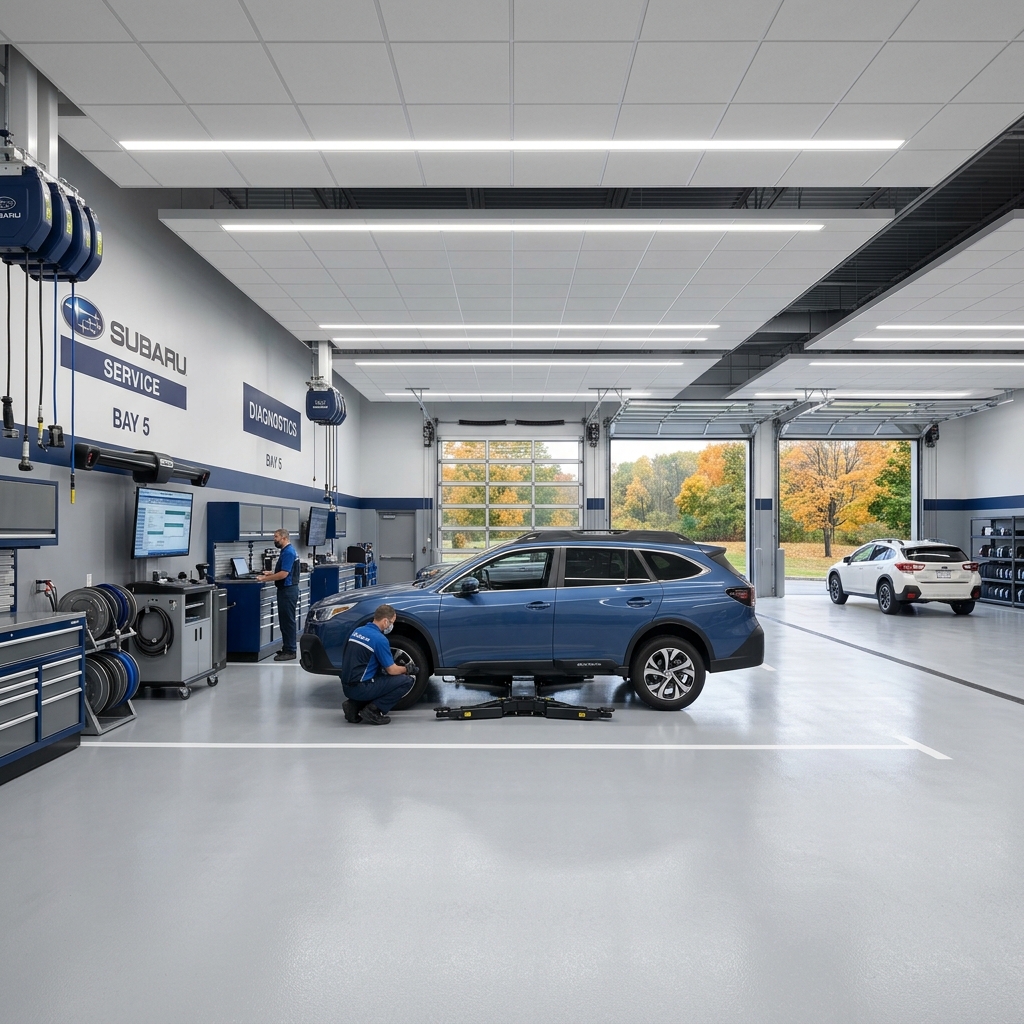
For drivers located in Plainfield, Joliet, Naperville, Shorewood, and Bolingbrook, Hawk Subaru serves as the premier authorized dealership and certified service hub. Located conveniently at 2401 Rte 59, Plainfield, IL 60586, our facility is equipped with specialized factory diagnostic equipment, high-bay alignment systems, and Genuine Subaru OEM Replacement Batteries designed specifically to match your model's electrical requirements.
Proactive Winter Prep: Genuine Subaru Battery Care, Warmers, and Accessories
Battery Warmers & Chargers
For vehicles parked outdoors during severe sub-zero cold snaps, Genuine Subaru Battery Warmers wrap around the casing to preserve core chemical warmth, drastically easing engine start-up strains.
All-Weather Protection
Protect interior carpets against salt, slush, and melted snow with custom-fit Subaru High-Wall All-Weather Floor Liners and rear cargo trays available through our dedicated Parts Center.
Emergency Kits
Equip your Subaru with an official Severe Weather Emergency Roadside Kit containing heavy-duty jumper cables, thermal blankets, collapsible shovels, and emergency signaling gear.
Prepare Your Subaru for Winter at Hawk Subaru in Plainfield – Book Online Today
Don't wait for a freezing morning to find out your battery lacks the power to start your engine. Take a proactive approach to winter driving security by scheduling your battery check and fall maintenance appointment with Hawk Subaru today. Our expert service team is dedicated to keeping your Outback, Forester, Crosstrek, Ascent, or Impreza running at peak performance all winter long.