Surviving the Swelter: Staying Cool in the Illinois Summer Heatwave

When summer fully takes hold of northern Illinois, communities like Plainfield, Naperville, and Joliet experience a dramatic shift. The mild, pleasant spring days rapidly give way to a heavy, thick humidity and soaring temperatures that turn ordinary activities into physical endurance tests. The local climate presents a unique set of challenges; we transition from freezing, sub-zero winter blasts to sweltering, 95-plus degree summer afternoons with heat indexes that regularly cross into the triple digits. Navigating this extreme thermal swing requires preparation, awareness, and a clear understanding of how to manage both our personal physical comfort and the health of the vehicles we rely on every single day.

Driving in extreme heat is not just an issue of personal comfort; it is a critical safety matter. When cabin temperatures climb, driver fatigue increases, reaction times slow, and mechanical stress on your vehicle multiplies exponentially. To help you navigate these demanding months, the team at Hawk Subaru has compiled a comprehensive guide packed with actionable advice, mechanical insights, and localized knowledge. From simple cabin-cooling habits to the physical realities of under-the-hood components struggling against the heat, this guide is designed to keep you and your family safe, refreshed, and moving smoothly across Will County and beyond.
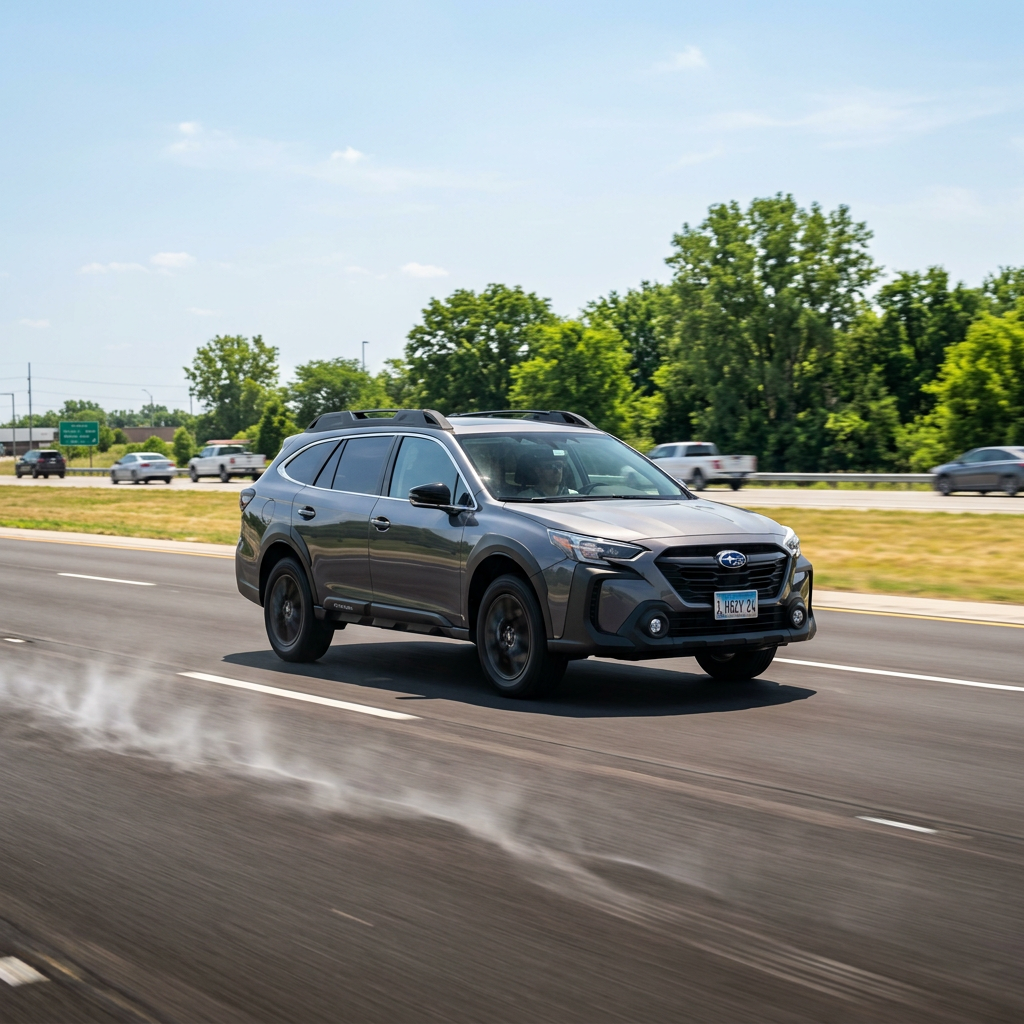
A grey Subaru Outback drives at high speed on a highway on a sunny day.

How Can I Keep My Car Cabin Cooler During an Illinois Summer Heatwave in Plainfield?
Parking strategically is your first line of defense against an intense greenhouse effect. In Plainfield, parking near the DuPage River green spaces or seeking out areas with mature, overhanging tree canopies can dramatically cut down on the amount of direct solar radiation your car absorbs. When shade isn't an option, always face the rear of your vehicle toward the sun. This simple adjustment ensures that the largest expanse of glass—your windshield—isn't acting as a giant magnifying glass pointing directly at your steering wheel, front seats, and dashboard.

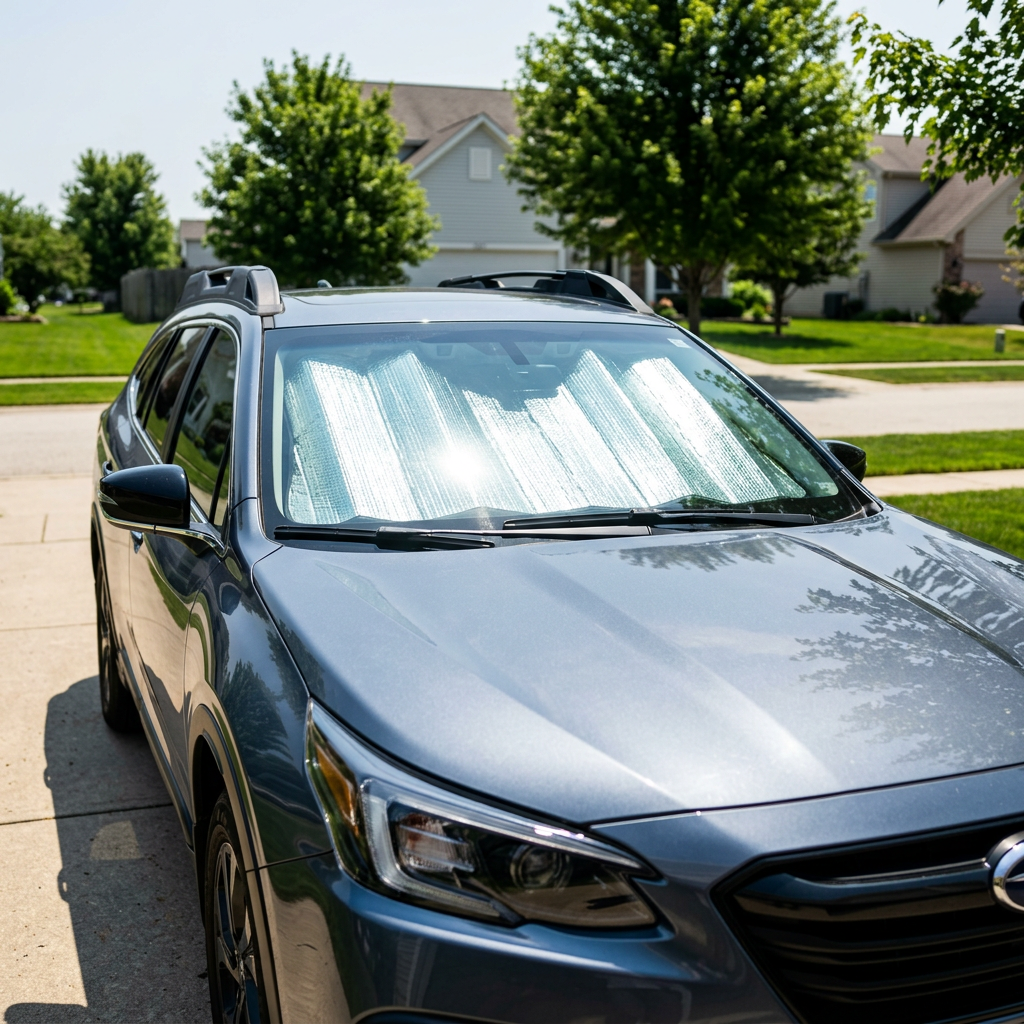
Using high-quality, reflective sunshades custom-cut for your vehicle's windshield can block up to 99% of harmful UV rays and lower dashboard temperatures by as much as 40 degrees. To handle the initial blast of superheated air when you return to your vehicle, use the 'door-fanning' technique. Roll down the passenger window completely, then walk to the driver's side and open and close the driver's door rapidly five to six times. This action acts as a mechanical pump, pushing the stagnant, hot air out through the open passenger window and drawing in cooler, ambient outside air before you even turn on your climate control.

Blue Subaru SUV parked in a suburban driveway with a reflective silver sunshade in the windshield.

Additionally, leaving your windows cracked by just a fraction of an inch (less than a finger's width) helps establish natural convective airflow. This small gap allows rising heat to escape rather than building pressure and turning your car into a literal oven. Of course, only crack your windows if you are parked in a secure area and there is no sudden threat of a classic midwestern afternoon thunderstorm.

Is Automatic Climate Control Better Than Manual A/C in Hot Weather?

The Efficiency of Sensors

Modern automatic climate control systems are engineered to take the guesswork out of cabin comfort. These advanced systems use a network of internal temperature, humidity, and solar load sensors to constantly monitor the environment inside and outside the vehicle. By reading these variable conditions, the car's computer can precisely adjust fan speed, blend door positions, and compressor load to achieve your target temperature with maximum efficiency, preventing the engine from working harder than necessary.

Manual Adjustments vs. Automation

With manual systems, drivers often fall into the habit of leaving the fan on maximum speed and the temperature dial at the coldest setting. This forces the A/C compressor to run continuously at full capacity, which drains fuel and places constant mechanical load on the engine. Automatic systems, however, will blast the air initially to purge heat, then smoothly scale back the fan speed and compressor load once the cabin reaches equilibrium, saving fuel and reducing wear and tear.

Intelligent Air Delivery

An automatic system does more than adjust fan speeds; it dynamically routes air to optimize cooling speed. For instance, when you first climb into a blistering car, the system will direct high-velocity air through the dashboard vents to cool your face and upper body immediately. As the overall cabin temperature drops, it will gently shift the blend doors to distribute a balanced flow of air throughout the cabin, ensuring that rear passengers stay just as comfortable as those in the front seats.

Should I Use Recirculation Mode in Extreme Heat?

Understanding the air recirculation button—typically represented by an icon of a curved arrow inside a car silhouette—is essential for surviving peak midwestern summer days. When you first get into a car that has been sitting in the sun, the air inside can easily reach 130 to 140 degrees Fahrenheit, while the outside temperature is a relatively cooler 90 degrees. At this exact moment, you should NOT use recirculation. Keep the system set to fresh air and roll down the windows for the first minute of driving. This allows the blower motor to pull in 90-degree outside air and push that superheated, 140-degree cabin air out of the open windows.

Once the initial heat has been purged and the air coming out of your vents begins to feel cool, immediately switch over to recirculation mode. Recirculation closes the external air intake flap, sealing off your cabin from the outside. Instead of constantly pulling in hot, muggy, humid Illinois air and forcing your A/C system to struggle to cool and dehumidify it, the system pulls in the already-cooled, already-dehumidified air from inside the cabin and cools it even further. This makes the system far more efficient, keeps the cabin significantly colder, and prevents the air conditioning system from freezing up or overloading on long drives.
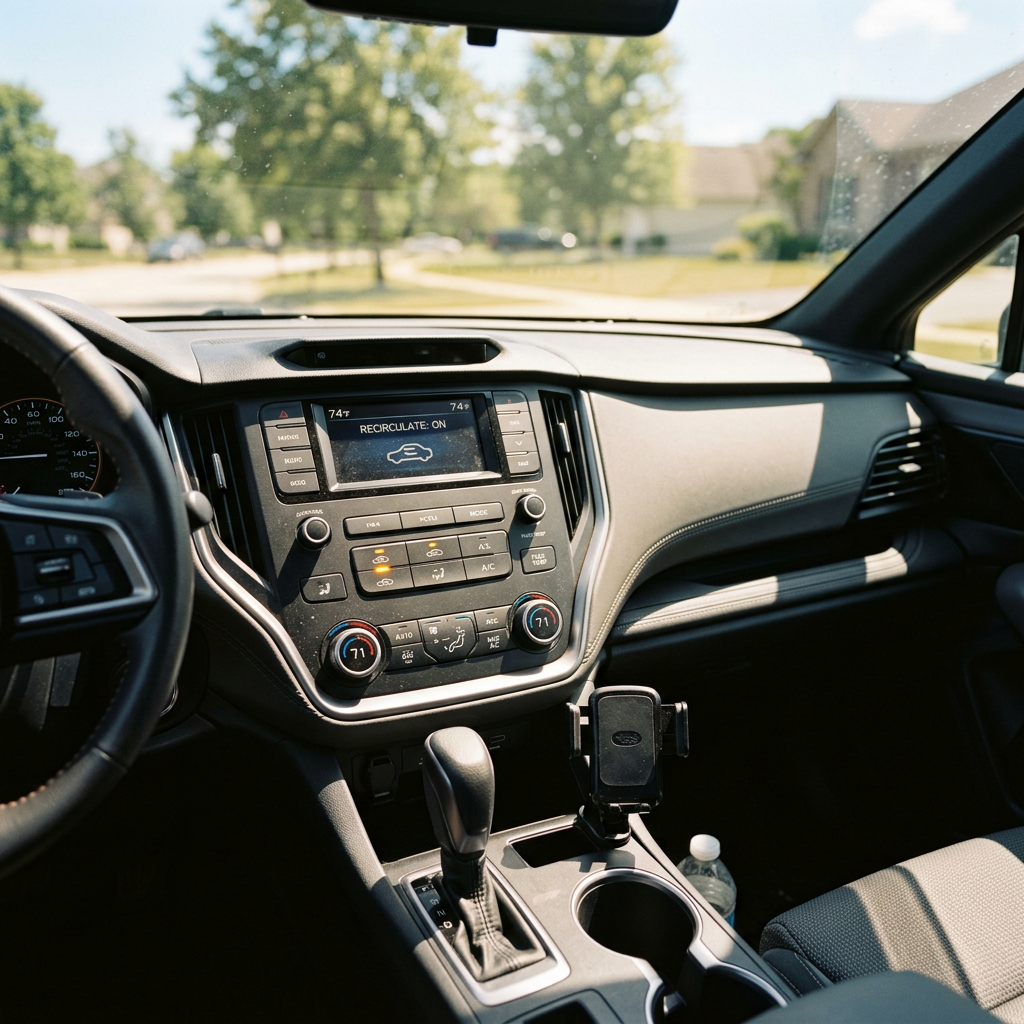
Dashboard and center console of a modern car with a sunny residential street visible through the windshield.

Why Is Extreme Summer Heat Harder on Batteries Than Winter Cold?

It is a very common automotive myth that winter is the ultimate battery killer. While it is true that cold weather slows down chemical reactions and makes it harder for a battery to turn over a cold, stiff engine, winter is usually just delivering the final blow to a battery that was already fundamentally damaged and degraded by the previous summer's heat. Heat is the true, silent enemy of lead-acid car batteries.

Inside your battery, power is generated and stored through a delicate chemical reaction between lead plates and a liquid sulfuric acid electrolyte solution. When under-hood temperatures soar during an Illinois summer heatwave, this extreme heat accelerates the chemical reactions inside the battery. While this might temporarily boost the battery's electrical output, it also drastically speeds up internal corrosion, permanently damaging the delicate internal grid structures.

Even worse, high heat causes the water content inside the battery's liquid electrolyte solution to evaporate. Once the liquid level drops, the lead plates are exposed to the air, leading to rapid, irreversible sulfation. This process forms hard lead sulfate crystals on the plates, permanently reducing the battery's overall capacity and physical ability to hold a charge. A battery damaged by summer heat might get you through the warm months because starting an engine requires less effort when fluids are warm, but the moment the first autumn frost hits, that compromised battery will instantly fail, leaving you stranded when you least expect it.

How Do You Know if Your Car A/C Compressor Clutch Is Broken?
Understanding the Clutch

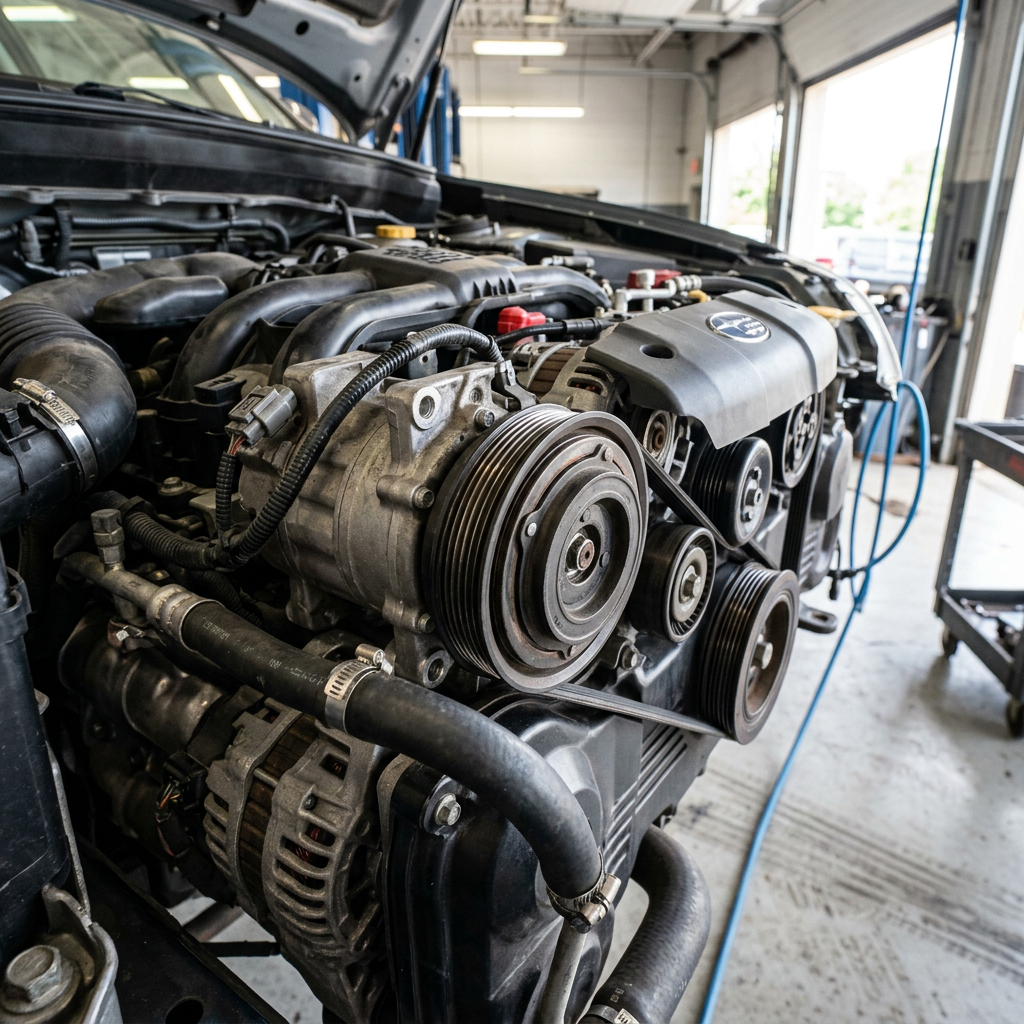
The A/C compressor is the heart of your vehicle's air conditioning system, and the compressor clutch is the gatekeeper that engages and disengages it. Driven by the engine's serpentine belt, the pulley spins continuously, but the compressor itself only turns when the electromagnetic clutch engages. This allows the system to cycle on and off as needed to regulate the cabin temperature without putting a constant, unnecessary load on the engine.

Close-up view of a car engine with visible pulleys, serpentine belt, and alternator inside a mechanic shop.

To diagnose a potential clutch failure, start your car, turn the A/C to its maximum setting, and open the hood. Listen closely for a distinct, sharp metallic 'click' from the engine bay. This sound is the electromagnetic clutch engaging the compressor. If you do not hear this click, or if the very front face of the compressor pulley is not spinning along with the belt, your clutch is not engaging, and your system will only blow warm air.

Symptoms of Failure

A failing clutch can manifest in several ways. You might experience squealing or grinding noises under the hood as the bearings inside the clutch pulley wear out and create friction. Sometimes, the clutch can slip, causing the A/C to blow cold air intermittently before turning warm. If the clutch is completely seized, it can cause the serpentine belt to slip, smoke, or even snap entirely, which will disable your alternator, power steering, and water pump, leaving you stranded immediately.

Should I Take My Car to a Dealership or an Independent Mechanic for A/C Service in Plainfield?

When your vehicle's air conditioning system starts blowing warm air in the middle of a hot summer, you face a choice: do you head to a local independent repair shop or schedule an appointment with a factory-certified dealership? While independent shops can handle basic services like cabin air filter replacements or simple system recharges, modern automotive climate control systems are highly complex, computerized networks that require specialized, brand-specific training to properly diagnose and repair.

At a factory-certified dealership like Hawk Subaru, our technicians specialize in the specific engineering of your vehicle. We have direct access to proprietary factory diagnostic computers, software updates, and precise system schematics that independent shops simply do not possess. Furthermore, we use only OEM (Original Equipment Manufacturer) parts, which are engineered to the exact tolerances of your vehicle and backed by a comprehensive national warranty. An independent shop may use aftermarket parts that can wear out faster, run less efficiently, or even void your vehicle's existing manufacturer warranties.

If you are ready to ensure your vehicle is treated with the highest level of care,Schedule Your Service Todaywith our expert team. If you are also considering an upgrade to a newer, more reliable vehicle with an advanced, factory-warranted climate control system, you can easilyGet Pre-Approved for Financingonline to explore your options before visiting our showroom.

How Much Does Ceramic Window Tinting Cost for a Typical Sedan?

Window tinting has evolved significantly from the basic, dyed plastic films of the past. Today, ceramic window tinting represents the gold standard in automotive thermal protection. Unlike traditional dyed or metallic tints, which primarily rely on dark shading to block visible light, ceramic films are embedded with microscopic, non-conductive ceramic nanoparticles. These advanced particles are engineered to block up to 99% of harmful ultraviolet (UV) rays and up to 90% of infrared radiation—the exact wavelengths of solar energy responsible for creating that stifling greenhouse heat inside your parked car.

Because ceramic films reject heat electronically and physically rather than just blocking visible light, you don't have to choose an extremely dark, pitch-black tint to get the benefits. You can install a virtually clear ceramic film on your windshield or front windows and still achieve incredible heat rejection, keeping your vehicle legal, maintaining perfect nighttime visibility, and significantly reducing the workload on your vehicle's air conditioning system.

For a typical four-door sedan, a professional, high-quality ceramic window tint installation generally costs between $400 and $800, depending on the specific brand of film used and the complexity of the vehicle's glass curves. While this is a higher upfront investment compared to basic dyed tinting (which usually runs between $150 and $300), ceramic film offers immense long-term value. It will never bubble, peel, or turn purple over time, and it does not interfere with cellular, GPS, or radio signals like metallic tints do. Most importantly, it preserves your vehicle's leather and vinyl interior from cracking and fading under the intense midwestern sun.

Essential Fluids and Tire Pressures to Monitor in High Temperatures

Tire Pressure Expansion Risks

As ambient temperatures rise, the air inside your tires expands. For every 10-degree Fahrenheit increase in outside temperature, your tire pressure will increase by approximately 1 to 2 PSI. If your tires were already inflated to their maximum limit on a cool morning, driving on a blistering hot Route 59 pavement can push your tire pressures into dangerous over-inflation territory. This reduces your tire contact patch, accelerates center tread wear, and increases the risk of a high-speed blowout.

Engine Coolant & Oil Integrity

Extreme summer heat places immense stress on your engine's cooling system. Engine coolant (antifreeze) must be at the correct level and chemical mixture (usually a 50/50 water-to-coolant ratio) to prevent boiling over. At the same time, engine oil can thin out significantly under high thermal loads, reducing its ability to lubricate critical moving parts. Regularly checking both fluids is vital to preventing catastrophic engine overheating during bumper-to-bumper rush hour traffic.

Brake Fluid & Simple DIY Steps

Brake fluid is hygroscopic, meaning it naturally absorbs moisture from the air over time. In extreme heat, any moisture trapped inside your brake lines can boil, creating air pockets that lead to a soft, spongy brake pedal and reduced stopping power. Perform a quick weekly check: inspect your fluid reservoirs under the hood, verify your tire pressures in the morning when the rubber is cool, and look for any signs of small fluid leaks or worn, cracked serpentine belts.

Upgrading Your Ride for Better Summer Comfort

If you find yourself constantly battling the summer heat in an older, outdated vehicle with a weak air conditioning system, it may be time to consider upgrading to a vehicle equipped with modern, heat-defeating comfort features. Today's vehicles offer highly advanced technologies specifically designed to make hot, sunny commutes incredibly comfortable, turning a stressful drive on Route 59 into a relaxing, refreshing experience.

For example, ventilated seats are a complete game-changer. Rather than relying on simple cabin cooling, ventilated seats use integrated fans to gently draw body heat away from your back and legs, keeping you dry and comfortable even on the muggiest afternoons. Additionally, connected vehicle services like Subaru Starlink allow you to remotely start your engine and pre-set your climate control directly from your smartphone. You can cool your cabin down to a crisp 68 degrees while you are still finishing your morning coffee, avoiding that initial blast of superheated air altogether.

Ready to trade in your current vehicle for a cooler, more advanced ride? You can easilyValue Your Trade-Inonline to see how much equity you have. From there, feel free toBrowse New Inventoryto explore the latest models with remote pre-cooling, orBrowse Used Inventoryto find premium comfort features at an incredible value.

Navigating Plainfield, Joliet, and Naperville Safely During Heat Advisories

When the National Weather Service issues a heat advisory for Will County and the surrounding collar counties, it is crucial to adjust your daily driving habits and prepare for the unexpected. Roadways can buckle under the extreme heat, creating sudden, severe potholes and uneven lane surfaces on major thoroughfares like Route 59, Interstate 55, and Route 30. Keep a safe following distance to give yourself ample time to spot and react to these physical road hazards.

Always carry a dedicated hot-weather emergency kit in your vehicle. Unlike a winter emergency kit, a summer kit should contain multiple bottles of fresh drinking water, non-perishable electrolyte-dense snacks, a clean spray bottle filled with water (for instant skin cooling), a broad-spectrum sunscreen, and a lightweight, light-colored umbrella to create instant shade if you are forced to wait for roadside assistance on an unshaded shoulder.

Familiarize yourself with local cooling centers and air-conditioned public spaces across Plainfield, Joliet, and Naperville. Local libraries, community centers, and municipal buildings serve as designated cooling zones during severe heatwaves. If your car's climate control starts failing or your engine begins to run hot, pull over immediately at a shaded park, public parking garage, or retail center. Never attempt to 'push through' a failing cooling system or a malfunctioning A/C; doing so risks severe heat stroke for you and your passengers, and expensive mechanical damage to your vehicle.

Beat the Heat with Professional A/C Service at Hawk Subaru in Plainfield

Do not wait for the absolute peak of the Illinois summer to find out that your vehicle's cooling system is compromised. A proactive inspection by the certified professionals at Hawk Subaru is the single best way to guarantee driving comfort and peace of mind all season long. Our dedicated service center is fully equipped with specialized diagnostic tools to check your refrigerant levels, inspect your compressor clutch, test your battery health, and verify that your engine's cooling fans and radiator are performing at their absolute best.

We are proud to serve drivers throughout Plainfield, Naperville, Joliet, and the surrounding communities with fast, transparent, and high-quality automotive care. Whether you need a quick cabin air filter swap, a complete A/C system recharge, or a new battery installation, our factory-trained technicians are here to help.Get Directions to Hawk Subaruand stop by our state-of-the-art facility on Route 59, orCall us at (815) 725-3789to speak directly with an advisor today. If you need replacement parts or DIY upgrade accessories, feel free to visit our dedicatedParts Centerfor genuine OEM components designed specifically for your vehicle.
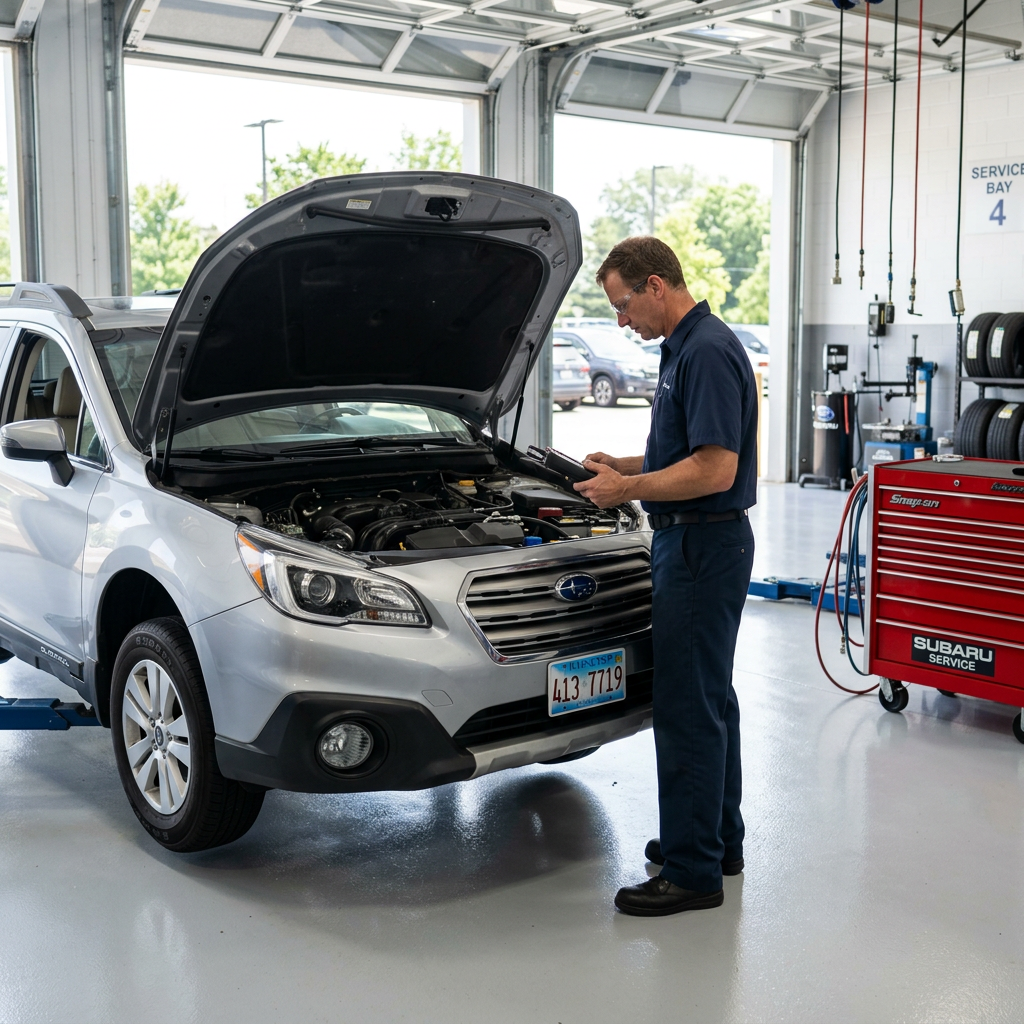
A mechanic in a blue uniform diagnoses a silver Subaru Outback with an open hood in a service bay.